Mālama i ke Kai
Caring for the Ocean: Responsible Whale Watching

Written by a Conservation Advocate
Kalani MillerMālama i ke Kai (Care for the Ocean): Practicing Responsible Whale Watching
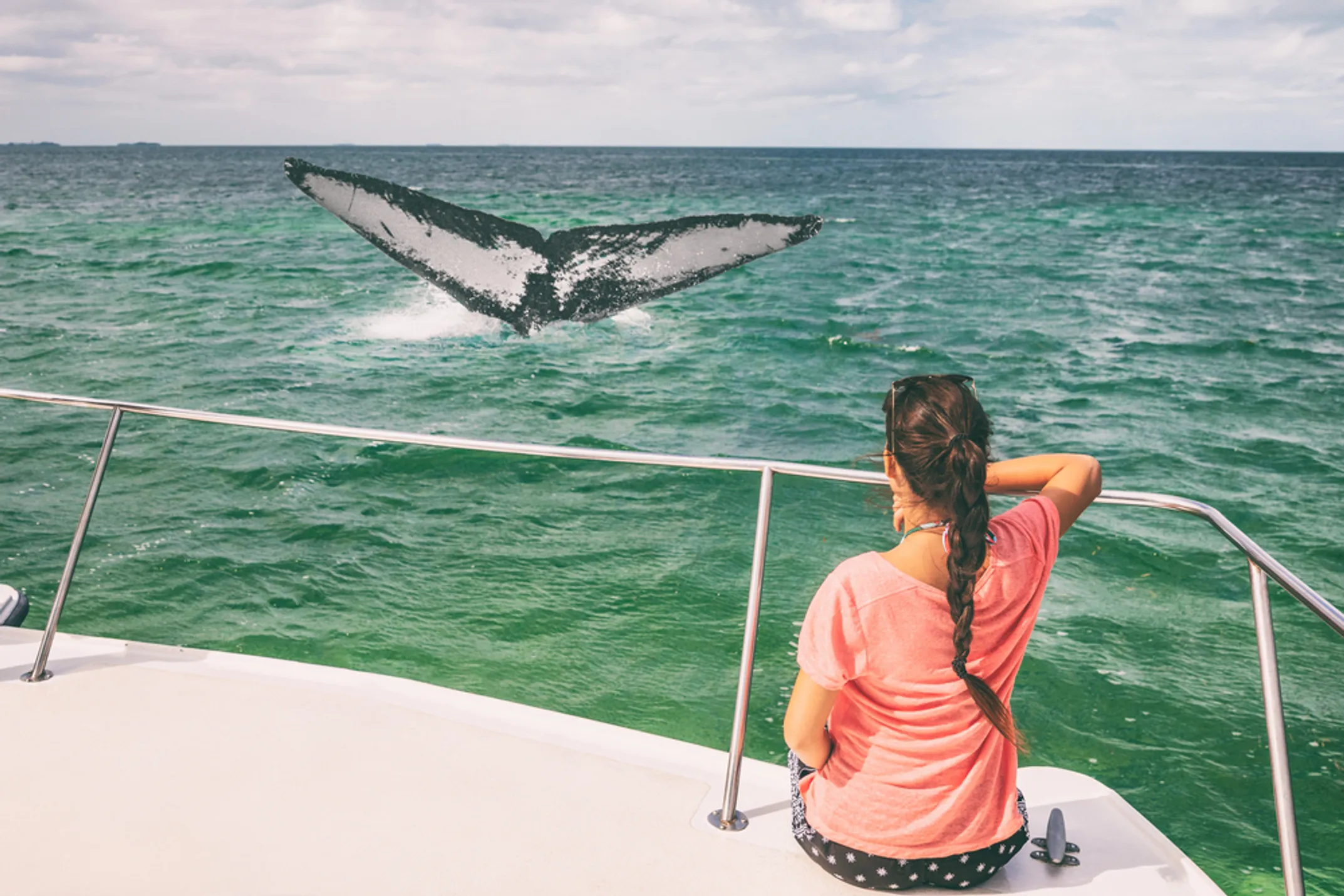
As visitors to this incredible marine environment, we all share a responsibility—a kuleana—to ensure our presence does not harm the very creatures we've come to admire. Practicing responsible tourism is essential for the health of the whales and the ocean itself.
The concept of mālama i ke kai (caring for the ocean) is deeply embedded in Hawaiian culture and represents our collective responsibility to protect marine environments for future generations. When we practice responsible whale watching, we're participating in this ancient tradition of environmental stewardship.
The 100-Yard Rule and Why It Matters
The most important regulation to know is the 100-yard rule. Federal and state law makes it illegal to approach a humpback whale within 100 yards (90 meters), which is about the length of a football field. This applies to everyone and everything: boats, kayaks, paddleboards, swimmers, and drones. Reputable tour operators are experts at abiding by this rule.
This distance is crucial for several reasons. It prevents us from causing stress to the whales, especially mothers who are resting or nursing their vulnerable calves. It also ensures the safety of everyone on the water. A 45-ton whale can surface unexpectedly, and maintaining a safe distance is just common sense. For aircraft, including helicopters and drones, the minimum altitude is even greater at 1,000 feet to minimize noise disturbance.
⚠️ Legal Consequences
The 100-yard rule isn't arbitrary—it's based on scientific research into whale behavior and stress responses. Studies have shown that whales change their behavior when boats approach closer than this distance.
Violations can result in fines up to $100,000 and criminal charges. These strict penalties reflect the serious nature of protecting these endangered marine mammals.
Understanding Whale Stress Signals
Whales exhibit specific behaviors when they're stressed or disturbed by human presence. Learning to recognize these signs helps ensure we maintain appropriate distances:
- • Rapid breathing or erratic surfacing patterns
- • Abrupt changes in swimming direction
- • Increased tail slapping or other aggressive behaviors
- • Shortened dive times
- • Separation of mother-calf pairs

Whale Watch and Sunset Cruise
Choose tour operators who strictly follow the 100-yard rule and hold eco-certifications. Book with companies committed to whale conservation.
*Estimated starting price. Prices subject to change. Check availability for current rates.
Choosing an Eco-Conscious Tour Operator
One of the most powerful things you can do as a traveler is to support businesses that are committed to sustainability and conservation. When you choose a tour operator that prioritizes the well-being of the marine environment, you are voting with your wallet for a healthier ocean.
🐬 Dolphin SMART
Voluntary program sponsored by NOAA recognizing tour operators committed to responsible viewing of marine mammals. Certified operators follow specific guidelines for wildlife viewing, maintain proper distances, and educate guests about marine conservation.
🌺 STAH Certified
Sustainable Tourism Association of Hawaii certification awarded to tour operators demonstrating commitment to environmental protection, cultural authenticity, and staff training. Must meet strict criteria for sustainability practices.
🌊 Ocean Friendly
Surfrider Foundation program certifying businesses actively reducing plastic waste, avoiding plastic bags and styrofoam containers. Addresses the growing problem of marine plastic pollution.
♻️ Green Practices
Look for operators using biodegradable cleaning products, reef-safe sunscreen policies, plastic reduction initiatives, marine debris removal programs, and support for local conservation organizations.
How You Can Help Protect Whales
📞 Report Violations and Injured Animals
If you see a marine animal that appears to be injured, entangled, or in distress, or if you witness a vessel violating the approach rules, report it to the proper authorities immediately. Never attempt to help an entangled animal yourself—they are incredibly powerful and can be dangerous.
Emergency Contacts:
NOAA Marine Mammal Hotline: 1-888-256-9840
NOAA Fisheries Enforcement: 1-800-853-1964
These hotlines are staffed 24/7
📸 Practice Responsible Photography
- • Never use flash photography (can startle or disorient marine animals)
- • Avoid using drones (illegal within 1,000 feet of whales)
- • Don't lean over boat railings or stand on seats for better photos
- • Be aware of other passengers when taking photos
- • Consider putting the camera down sometimes to fully experience the moment
💚 Support Marine Conservation
Your whale watching experience can be the start of a lifelong commitment to ocean conservation:
- • Donate to reputable marine conservation organizations
- • Participate in beach cleanups when visiting coastal areas
- • Choose sustainable seafood options
- • Reduce plastic use in your daily life
- • Support legislation that protects marine environments
- • Share your experience to inspire others to care about ocean conservation
"E mālama i ke kai, a e mālama ke kai ia 'oe"
Care for the ocean, and the ocean will care for you.
This Hawaiian proverb captures the reciprocal relationship between people and the sea—a relationship that has guided Hawaiian interactions with whales for generations and must continue to guide us today.
Book Whale Watching Tours
Reserve your Kauai whale watching charter. Private and intimate experiences!
*Estimated. Prices subject to change.
📏 Key Rules
- 100 yards Minimum boat distance
- 1,000 feet Minimum aircraft altitude
- $100,000 Max fine for violations
🚨 Emergency Contacts
Injured Animal:
1-888-256-9840
Report Violations:
1-800-853-1964
Available 24/7
Ready for Your Kauai Whale Adventure?


Watch Whales the Right Way
Choose eco-certified operators who follow the 100-yard rule and practice mālama i ke kai. Book responsible whale watching today.