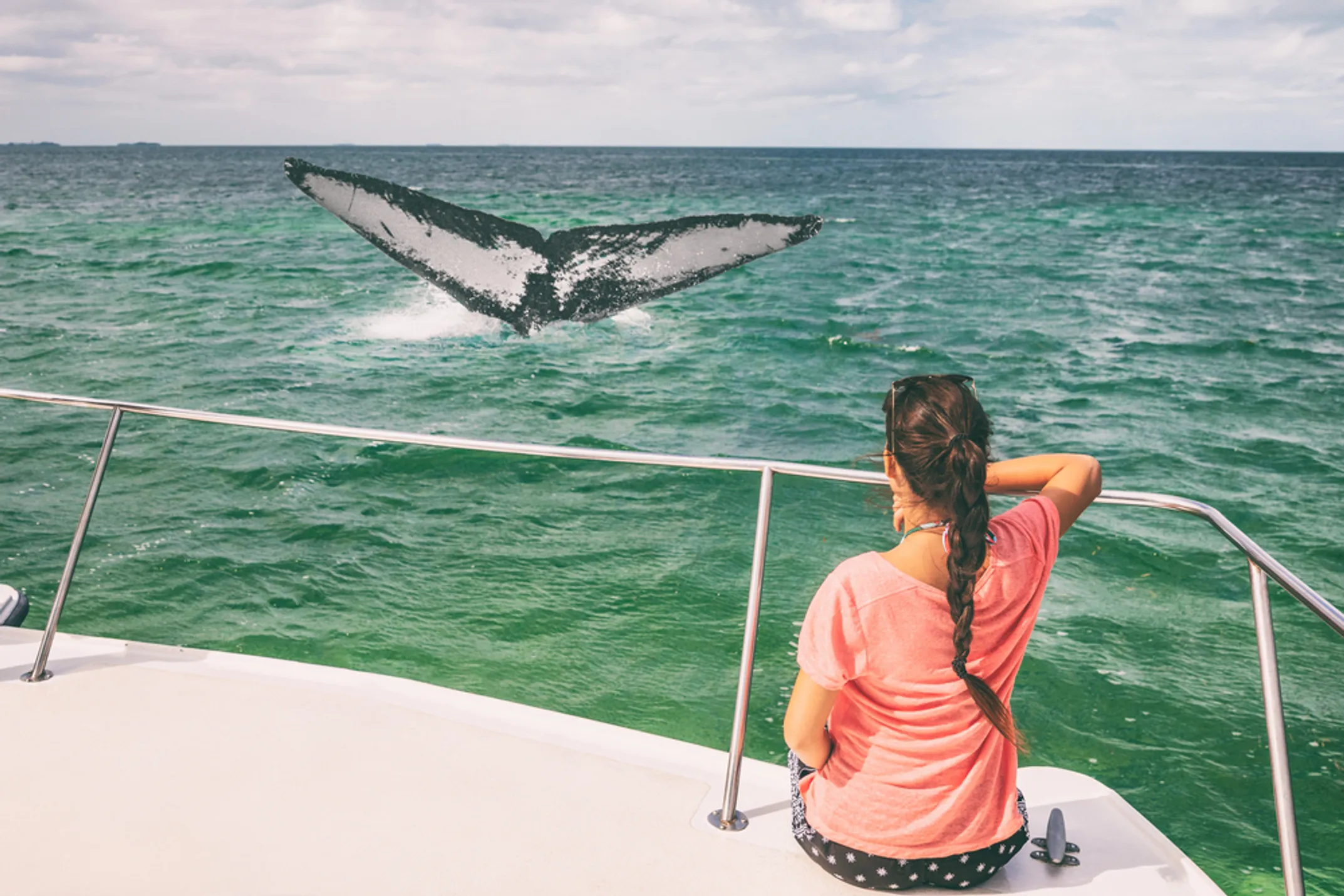
Your Whale Watching Checklist
How to prepare for your tour

Written by an Ocean Expert
Kalani MillerYour Whale Watching Checklist: How to Prepare for Your Tour
A little preparation goes a long way in ensuring your whale watching tour is comfortable, safe, and enjoyable. After countless days spent on the water, I've learned that having the right gear can make all the difference.
What to Wear: Dress Like a Seasoned Mariner
The key to dressing for any boat tour in Hawaii is to think in layers. The weather can change in an instant, and it's often cooler on the water with the wind than it is on shore.
👕 Clothing Essentials
- • Comfortable base layer (t-shirt over swimsuit)
- • Light jacket, windbreaker, or hoodie
- • Quick-drying shorts or pants
- • Rashguard for Zodiac tours (expect to get wet)
👟 Footwear
- • Many catamaran tours are barefoot
- • Non-slip, non-marking deck shoes if required
- • Avoid flip-flops (can be slippery and lost overboard)
- • Check with your tour operator about footwear policy
What to Pack: The Essentials for a Day on the Water
☀️ Reef-Safe Sunscreen
Absolutely non-negotiable for protecting both your skin and our delicate coral reefs. Look for mineral-based sunscreen with zinc oxide or titanium dioxide. Apply 30 minutes before sun exposure and reapply every two hours. Don't forget often-missed areas like tops of feet, behind ears, and along hairline.
🕶️ Polarized Sunglasses
These are a game-changer. They cut through the glare on the water's surface, making it significantly easier to spot whale spouts and movements beneath the surface. Choose sunglasses with a secure strap or retainer. A floating strap is even better for boat tours.
🧢 Hat with Secure Strap
A wide-brimmed hat is fantastic for sun protection, but ocean breezes are no joke. Make sure your hat fits snugly or has a chin strap. Choose hats made from quick-drying materials that won't be ruined if they get wet.
📷 Camera with Zoom Lens
To capture those incredible breaching moments, a zoom lens is your best friend. Bring extra batteries (cold ocean air drains them faster). Waterproof camera cases or dry bags are essential for protecting equipment from sea spray.
🔭 Binoculars
Look for binoculars in the 8x32 or 8x42 range for whale watching. These provide good magnification while remaining stable enough to use on a moving boat. Consider image stabilization if your budget allows.
💧 Reusable Water Bottle
The sun and sea breeze can be dehydrating. Most tours offer water refills. Plan to drink water regularly throughout your tour, even if you don't feel thirsty.
Beating Seasickness: My Tried-and-True Methods
Nothing can ruin a beautiful day on the water faster than seasickness. It's incredibly common, but the good news is that it's also highly preventable. Planning ahead is the key to enjoying your whale watching adventure.
Before You Go
- 💊 Medication: Dramamine or Bonine taken 1-2 hours before departure. Prescription Transderm Scōp patch is most effective but requires prescription.
- 🫚 Natural Remedies: Ginger chews, candies, or tea. Start the night before for maximum effectiveness.
- 🍽️ Eat Appropriately: Light meal before tour. Avoid greasy or spicy foods. Don't go on an empty stomach.
On the Boat
- 👁️ Watch the Horizon: Keeps your eyes fixed on the stable, distant horizon to help your brain sync with motion.
- 🌬️ Get Fresh Air: Stay on outer deck where you can feel cool, fresh breeze. Avoid enclosed cabins.
- ⚓ Position Wisely: Center of vessel on lowest deck has least motion. Avoid bow and stern.
- ⌚ Acupressure Bands: Sea-Bands apply pressure to P6 point on inner wrist. Drug-free option many people swear by.
📋 Complete Packing Checklist
Essentials:
- ✓ Reef-safe sunscreen
- ✓ Polarized sunglasses with strap
- ✓ Hat with chin strap
- ✓ Light jacket or windbreaker
- ✓ Reusable water bottle
Optional but Recommended:
- ✓ Camera with zoom lens
- ✓ Binoculars (8x42)
- ✓ Waterproof phone case
- ✓ Small backpack or dry bag
- ✓ Cash for tips
- ✓ Seasickness medication

Whale Watch and Sunset Cruise
Now that you're prepared, secure your spot on a whale watching tour and get ready for an unforgettable experience with the koholā.
*Estimated starting price. Prices subject to change. Check availability for current rates.
Book Whale Watching Tours
Reserve your Kauai whale watching charter. Private and intimate experiences!
*Estimated. Prices subject to change.
✅ Quick List
- Reef-safe sunscreen
- Polarized sunglasses
- Secure hat
- Light jacket
- Water bottle
- Camera & binoculars
Ready for Your Kauai Whale Adventure?


All Packed? Time to Book Your Tour!
You're ready for an amazing whale watching experience. Reserve your spot now and get ready to meet the koholā.