Meet Kauai's Marine Life & Be a Reef Hero
Discover the ocean residents and learn to protect them

Written by a Local Expert
Leilani AkoOne of the greatest joys of exploring our waters is meeting the incredible creatures that call this place home. But with this privilege comes a great responsibility. In Hawaii, we call this mālama i ke kai—to care for and protect the ocean. By following a few simple practices, you can become a hero for our reefs and ensure their beauty remains for generations to come.
A Visual Guide to Common Encounters
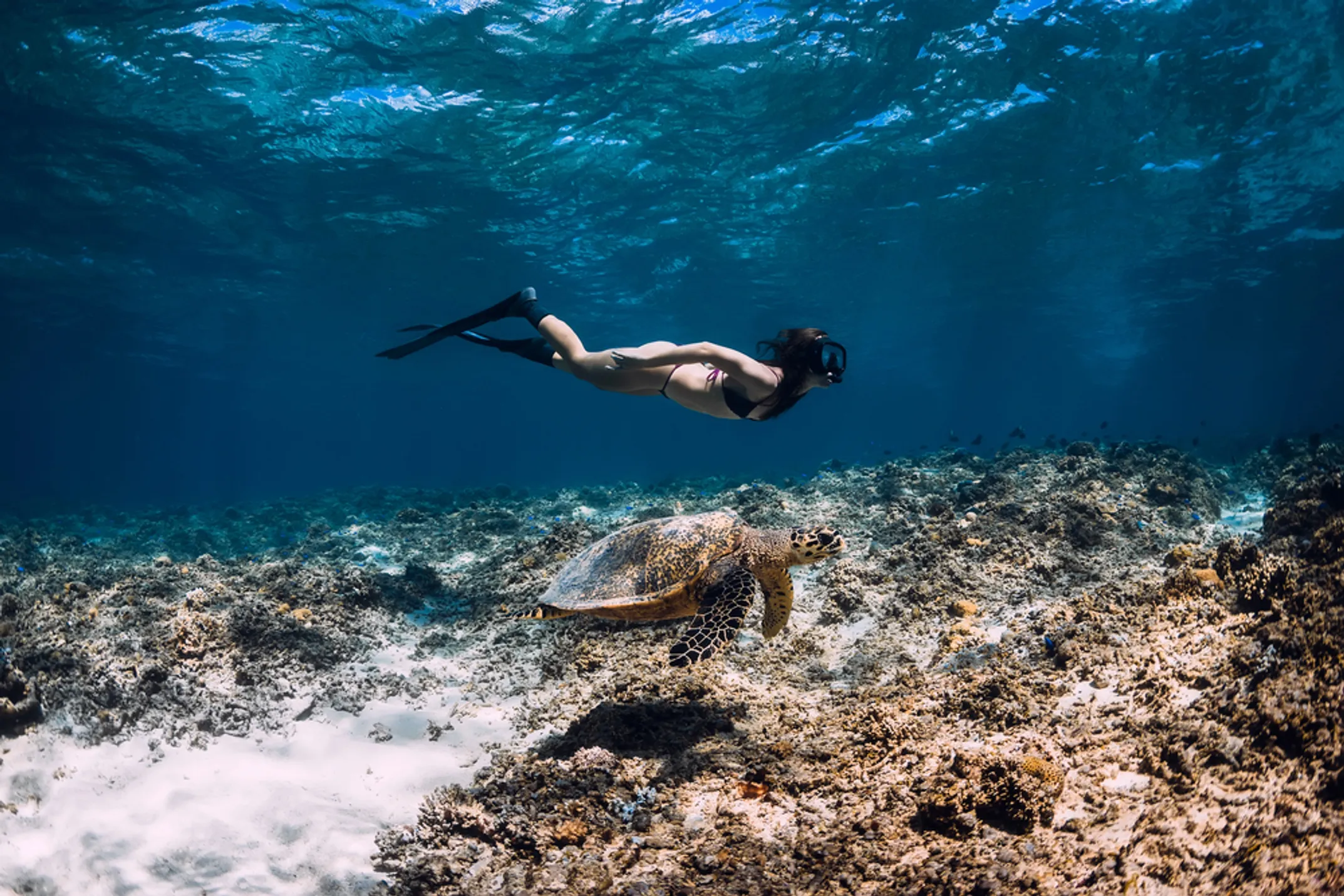
Honu (Hawaiian Green Sea Turtle)
These ancient, gentle reptiles are the soul of our reefs. You'll often see them grazing on algae or surfacing for a breath of air. They are a protected species, and seeing one is always a special moment. Green sea turtles can live over 80 years and return to the same beaches where they were born to nest.
Adult honu can weigh up to 400 pounds and hold their breath for up to 5 hours while resting underwater. Their diet consists mainly of algae and seagrass, which gives their fat a greenish color and their name. When observing honu, watch for their peaceful grazing behavior and the way they use their flippers to maneuver around coral formations.
Nai'a (Spinner Dolphins)
Often seen from boat tours, these playful and acrobatic dolphins are famous for leaping and spinning out of the water. It's an unforgettable sight. Spinners are relatively small dolphins that travel in large pods and rest in calm bays during the day after hunting in deep water at night.
The spinning behavior that gives them their name may serve multiple purposes: removing parasites, communication, or simply play. Federal law requires boats to stay at least 50 yards away from dolphins, but they sometimes approach boats out of curiosity.
Hawaiian Monk Seal
One of the most endangered marine mammals in the world, these seals are native to Hawaii. If you see one resting on the beach, consider yourself lucky and please give it at least 50 feet of space. They are protected by federal law. Only about 1,400 Hawaiian monk seals remain in the wild.
Monk seals can dive to depths of 1,500 feet and hold their breath for up to 20 minutes while hunting for fish, octopus, and crustaceans. They often rest on beaches during the day, and disturbing them can cause dangerous stress. If you encounter one, enjoy the sighting from a distance and never attempt to approach or feed it.
Humuhumunukunukuāpuaʻa (Reef Triggerfish)
Our state fish! Its name is as colorful as its appearance. This fish is a true icon of Hawaiian reefs. The name translates roughly to "triggerfish with a snout like a pig," referring to their distinctive mouth and feeding behavior.
These territorial fish are known for their aggressive defense of nesting sites. During breeding season, they create circular nests in sandy areas and will chase away much larger intruders. Their dorsal spine can lock upright when threatened, allowing them to wedge into coral crevices.
Uhu (Parrotfish)
You might hear these fish before you see them, as they use their beak-like mouths to crunch on coral. This process is a vital part of the ecosystem and creates our beautiful white sand beaches. Large parrotfish can produce up to 200 pounds of sand per year through their feeding and digestion process.
Parrotfish play a crucial role in coral reef health by controlling algae growth and creating space for new coral to settle. They also contribute to beach formation—much of Hawaii's white sand beaches are actually parrotfish excrement mixed with broken coral and shells.
🐟 Yellow Tangs
These bright yellow fish are among the most abundant and recognizable fish on Hawaiian reefs. They travel in schools and feed primarily on algae.
🎭 Moorish Idols
With distinctive black and white stripes and long, trailing dorsal fin, these are among the most beautiful fish on the reef.
🐙 Octopus (He'e)
Masters of camouflage, octopus are among the most intelligent creatures on the reef. They can instantly change color and texture to match their surroundings.
🐍 Moray Eels
Often misunderstood as aggressive, moray eels are actually quite shy and only bite when threatened. They constantly open and close their mouths to breathe.
The Mālama ʻĀina Pledge: How to Be a Reef Hero
Use Reef-Safe Sunscreen
This is one of the easiest and most impactful things you can do. Conventional sunscreens contain chemicals like Oxybenzone and Octinoxate that are incredibly toxic to coral reefs. These chemicals cause coral bleaching and interfere with coral reproduction. Please choose a mineral-based sunscreen with Zinc Oxide or Titanium Dioxide as the active ingredient.
Hawaii has banned the sale of sunscreens containing harmful chemicals, but visitors can still bring them from home. Reef-safe alternatives are widely available and work just as effectively. Apply sunscreen 30 minutes before entering water for best protection.
Keep Your Distance
The best way to show your aloha is to give our marine life space. Federal and state laws protect many of our animals. Follow NOAA's official guidelines: stay at least 50 yards from dolphins, 50 feet from monk seals, and a respectful 10 feet from sea turtles.
These distances aren't arbitrary—they're based on scientific research about stress responses in marine animals. Getting too close can disrupt feeding, resting, and breeding behaviors. Use zoom lenses or binoculars for close-up viewing.
Hands and Fins Off
Never, ever touch or stand on the coral. Coral is a fragile living animal, and a single touch can damage or kill it. The oils on human skin are toxic to coral polyps, and physical contact can break delicate structures that took decades to grow.
Float peacefully above the reef and find sandy spots if you need to stand. Practice proper buoyancy control to avoid accidental contact. Even fins brushing against coral can cause damage, so maintain good body position in the water.
Respect the Law
Harassing or disturbing protected species is illegal and can result in heavy fines. For a full list of regulations, including fishing rules and size limits, visit the Hawaii Division of Aquatic Resources website. Some protected species include all sea turtles, Hawaiian monk seals, dolphins, and whales.
Taking marine life from the ocean, including shells, coral, and sand, is prohibited in many areas. Even seemingly harmless activities like shell collecting can disrupt ecosystem balance when done by thousands of visitors.
Don't Feed the Fish
Feeding marine wildlife disrupts their natural feeding habits, can make them sick, and harms the overall health of the reef ecosystem. Human food is not part of their natural diet and can cause malnutrition and aggressive behavior.
Fed fish often lose their natural fear of humans and may become aggressive when expecting food. This behavior can be dangerous for both the fish and future snorkelers. Natural feeding behaviors are also disrupted when fish become dependent on handouts.
Conservation Challenges Facing Kauai's Reefs
Understanding the threats facing our marine ecosystems helps visitors appreciate why conservation efforts are so important. Climate change is the biggest long-term threat, causing ocean warming and acidification that stress coral reefs worldwide.
Coral bleaching events occur when water temperatures rise above normal ranges for extended periods. Stressed corals expel the algae that provide their color and nutrition, turning white or "bleached." While corals can recover from mild bleaching, severe events can cause widespread death.
Ocean acidification, caused by increased carbon dioxide absorption, makes it harder for coral and other shell-forming animals to build their calcium carbonate structures. This invisible threat undermines the foundation of reef ecosystems.
Local threats include pollution from land-based sources, overfishing, and physical damage from anchors, groundings, and careless recreation. Visitors can help address these local threats through responsible behavior and supporting businesses that prioritize environmental protection.
Complete Your Underwater Journey
Finish your guide with essential planning tips and resources
🐢 Protected Species
- Sea Turtles:
Keep 10+ feet away
- Monk Seals:
Keep 50+ feet away
- Dolphins:
Keep 50+ yards away
☀️ Reef-Safe Sunscreen
- Zinc Oxide
- Titanium Dioxide
- NO Oxybenzone
- NO Octinoxate
✅ Best Practices
- Never touch coral
- Don't feed fish
- Keep distance from wildlife
- Take only photos
- Leave only bubbles
📖 Guide Navigation
🌺 Mālama i ke kai
Care for and protect the ocean. Your actions today ensure these reefs thrive for future generations.