Kai Calling: Essential Water Activities on Kauai
From Sacred Rivers to Nā Pali Coast

Written by a Local Expert
Jade KawanuiAloha mai kākou. Picture this: sunrise breaking over the emerald cliffs of Nā Pali as you paddle through waters so clear you can see the reef twenty feet below. Your kayak glides silently through the morning calm while spinner dolphins dance in your wake. This is Kauai's kai calling you home.
I've been fortunate enough to call this beautiful island home my entire life. For me, the water is more than just a place for fun. It's the lifeblood of our island. A source of healing and spiritual connection. I still remember my first time kayaking the Wailua River as a keiki. The silence broke only with our paddle dips and distant bird calls. We were paddling back in time, to the days of the aliʻi. That feeling of connection stays with me still.
Kauai's waters have many moods. They can be gentle and nurturing, like a mother's embrace in the calm lagoons of the South Shore. They can also be tremendously powerful and humbling, like the thunderous winter swells that crash upon our North Shore. Whether you seek quiet renewal for your spirit or a heart-pounding adventure, you'll find it here.
This is my invitation to you. A culmination of a lifetime of experience in these waters. We'll journey together, first learning how to approach the kai with safety and respect. Then we'll explore the very best places to snorkel, paddle, sail, and surf. My hope is that you'll not only have an unforgettable adventure but also find your own personal connection to the living, breathing waters of Kauai.
The Heart of the Matter: Ocean Safety and Mālama Kai
Before we dive into the incredible activities our island offers, we must first talk about our most important responsibility. Our relationship with the ocean begins with understanding two fundamental concepts: mālama kai (caring for the ocean) and ocean safety. They are two sides of the same coin. Respect for the water's power and its delicate life.
A Sacred Trust: How to Mālama Kai
In Hawaiian culture, mālama is a core value that means to take care of, tend, preserve, and protect. It signifies a reciprocal relationship. We care for the ʻāina (land) and the kai (ocean), and in return, they sustain and care for us. Practicing mālama kai is the greatest way to show your aloha for Kauai.
☀️ Use Reef-Safe Sunscreen
Common sunscreen chemicals like oxybenzone and octinoxate are incredibly damaging to our fragile coral reefs. Choose mineral-based sunscreen with zinc oxide or titanium dioxide.
🐢 Respect Marine Life
Maintain at least thirty feet distance from honu (sea turtles) and even more from Hawaiian monk seals. It's a federal offense to touch, chase, or harass these protected animals.
🗑️ Leave No Trace
Pack out everything you bring in. If you see plastic or trash on the beach, pick it up even if it isn't yours. This is a true act of mālama.
🪸 Never Touch Coral
A single touch can damage or kill these sensitive organisms. Use designated sandy entry channels at snorkeling spots to avoid stepping on reef.
Heed the Ocean's Call: Essential Kauai Safety
The ocean is a living entity, and its conditions can change in an instant. Understanding its rhythms is the key to staying safe.
Jade's Pro Tip: The ocean has a different mood every day. Before you even think about getting in, spend five minutes just watching it. Observe the waves, the currents, the wind. It will tell you everything you need to know.
Understanding Seasonal Swells
The direction and size of the waves on Kauai are dictated by powerful weather systems thousands of miles away. This creates a distinct seasonal pattern that you must understand to choose the right beach at the right time.
❄️ Winter (October - April)
Powerful storms in the North Pacific generate massive swells on Kauai's North Shore. Most North Shore beaches are extremely dangerous for swimming and snorkeling. The South Shore is generally calmer and more protected.
☀️ Summer (May - September)
The North Shore waters become placid, offering perfect conditions for snorkeling and swimming. The South Shore receives long-period swells from the Southern Hemisphere, creating ideal conditions for learning to surf.
The Science of Rip Currents
Rip currents are the number one hazard at surf beaches in Hawaii. When waves break, they push water towards the shore. This water has to go somewhere. It travels along the shoreline until it finds a path of least resistance and rushes back out to sea through a narrow, fast-moving channel.
How to Escape a Rip Current:
- • Stay calm and DO NOT fight the current - this is how even strong swimmers become exhausted
- • Let the current carry you - it will not pull you under, only out
- • Once the pull lessens, swim parallel to the shoreline to escape the channel
- • If unable to escape, float, wave your arms, and yell for help
Essential Safety Resources
Never assume a beach is safe. Conditions change daily and hourly. Always check the official NOAA Surf Forecast for Kauai before heading out. The Kauai Lifeguard Association recommends KauaiExplorer.com for current ocean condition reports. Whenever possible, choose a lifeguarded beach like Poipu Beach, Lydgate Park, Kealia Beach, and Hanalei Pavilion.
The Golden Rule: "When in doubt, don't go out."
Explore Kauai's Water Adventures
From world-class snorkeling to epic kayak expeditions, discover the full range of water activities waiting for you on the Garden Isle.
🌊 Water Activities
- Snorkeling
- Kayaking & SUP
- Boat Tours
- Surfing
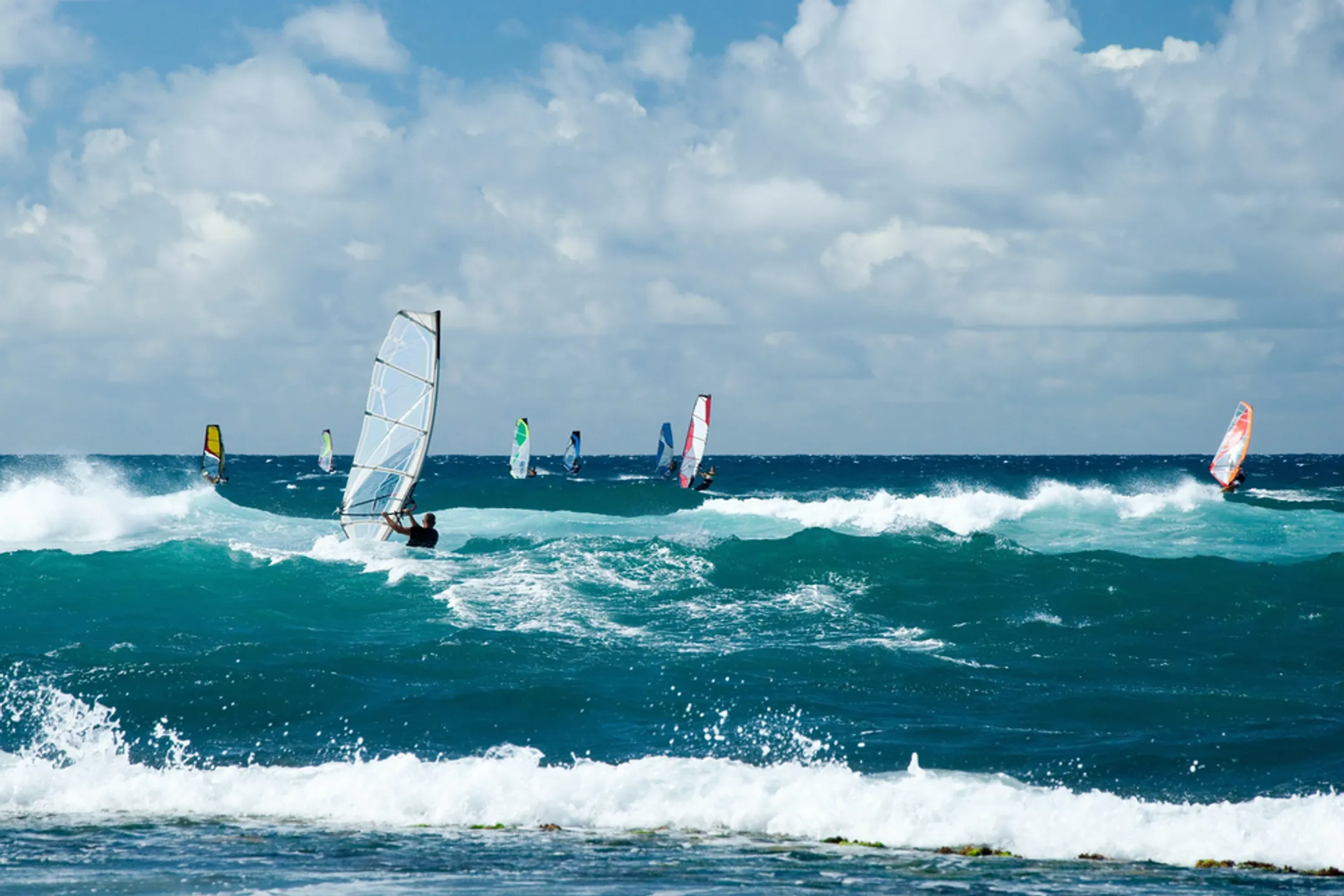
- Windsurfing/Kitesurfing
📅 Best Times
- North Shore:
May-Sept for calm waters
- South Shore:
Year-round snorkeling
- Whale Watching:
Dec-April peak season
🎒 What to Bring
- Reef-safe sunscreen
- Water shoes
- Reusable water bottle
- Quick-dry clothing
- Waterproof camera
📖 Guide Navigation
⚠️ Safety First
Check ocean conditions before heading out. When in doubt, don't go out.
NOAA Surf Forecast