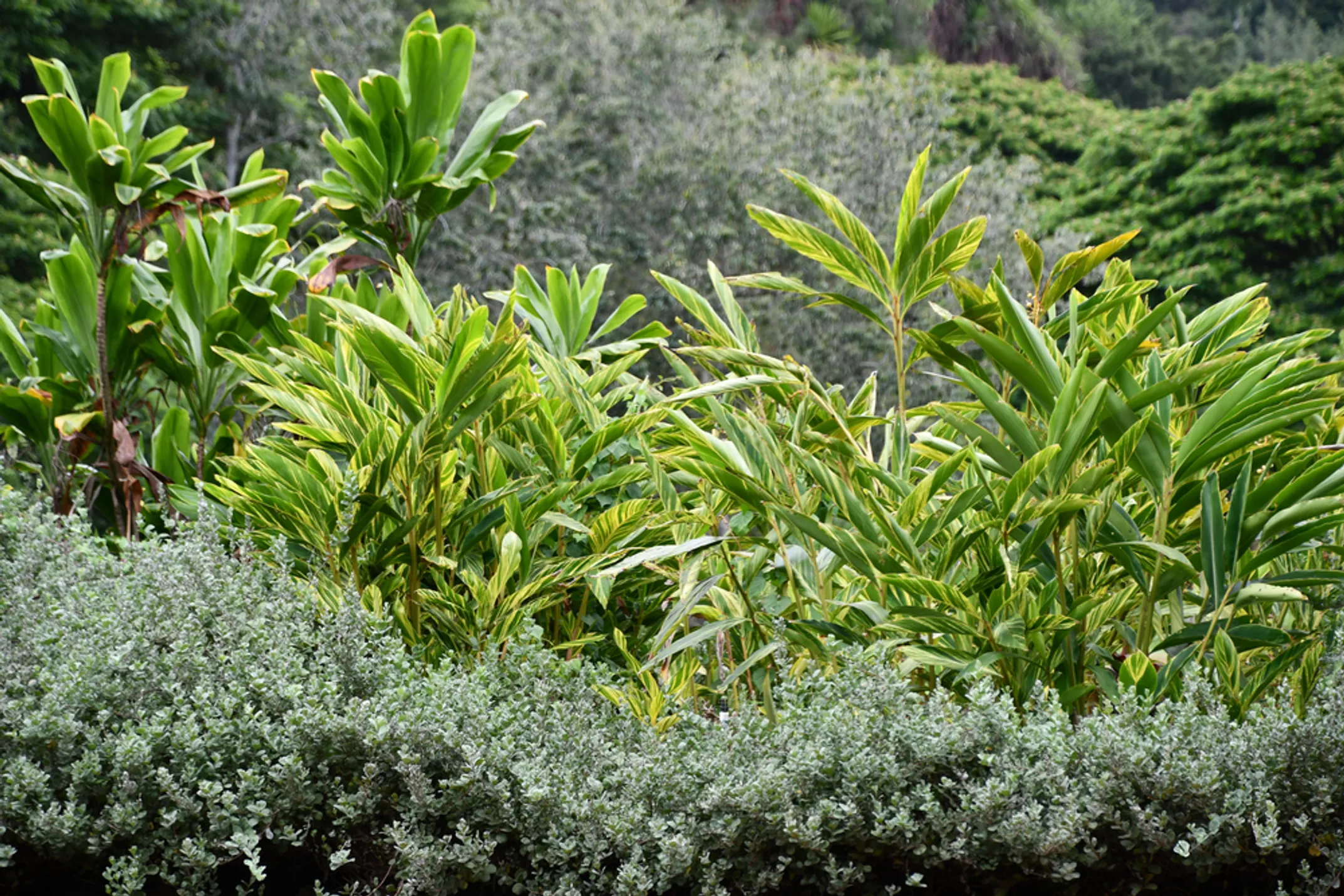
The Wild Gardens of the West
Waimea Canyon & Kokeʻe: Exploring Kauai's Untamed Eden

Written by a Local Expert
Leilani AkoThe Wild Gardens of the West: Exploring Kauai's Untamed Eden
After exploring the magnificent gardens conceived and cultivated by human hands, our expedition culminates on the rugged West Side. Here, we venture into the ultimate garden. One sculpted not by artists or philanthropists, but by the raw, powerful forces of time, water, and volcanic fire.
Waimea Canyon and Kokeʻe State Parks are the source code. They're the untamed wilderness that serves as the inspiration for all of Kauai's other green spaces. A full appreciation of the Garden Isle requires this final journey from the cultivated to the wild. It is here that the island's heart beats strongest.
This is nature's garden, carved over millennia by forces beyond human control, yet offering lessons in beauty, resilience, and the raw power of the natural world.
Waimea Canyon & Kokeʻe State Parks: The Grand Canyon of the Pacific
The Landscape as a Garden
Often called the "Grand Canyon of the Pacific," Waimea Canyon is a geological marvel that defies belief. It stretches over 10 miles long, a mile wide, and plunges to depths of more than 3,500 feet. Its deep, colorful gorges were carved over millennia by the Waimea River and the volcanic activity that formed the island.
It's important to understand that Waimea Canyon State Park and Kokeʻe State Park are not two separate destinations. They're a single, continuous experience. The scenic drive up Waimea Canyon Road (Hwy 550) seamlessly transitions into Kokeʻe. You ascend from the warm, dry coast to a cool, misty mountain plateau over 4,000 feet in elevation.
This elevation change creates dramatically different ecosystems within just a few miles of driving. You start in the dry coastal scrubland and end up in cool mountain rainforest. It's like traveling from Southern California to the Pacific Northwest in the span of an hour.
The canyon itself tells the story of the island's formation. The layered rock walls reveal millions of years of geological history. You can see the progression from underwater volcanic activity to the emergence of the island, to the forces that shaped and carved the landscape we see today.
The "Natural Garden" Flora & Fauna
This vast wilderness is the island's ultimate "natural garden." It's a sanctuary for native ecosystems that have largely disappeared from other parts of Hawaii. The higher elevations of Kokeʻe are dominated by stunning montane mesic forests of majestic koa (Acacia koa) and the iconic ʻōhiʻa lehua (Metrosideros polymorpha) trees. Their brilliant red blossoms look like fiery bursts against the green canopy.
The koa trees here are particularly impressive. These are some of the largest remaining koa forests in Hawaii. Koa wood has been prized by Hawaiians for centuries for making canoes, weapons, and ceremonial objects. Seeing these giants in their native habitat gives you a sense of what Hawaii looked like before widespread deforestation.
The ʻōhiʻa lehua is Hawaii's most important native tree. It's often the first plant to colonize fresh lava flows, and it provides critical habitat for native birds and insects. The bright red flowers aren't actually petals; they're stamens, and they provide nectar for native honeycreeper birds.
The parks are also a critical habitat for native Hawaiian forest birds. Patient observers may be rewarded with sightings of the crimson ʻapapane or the bright yellow ʻamakihi flitting through the trees. These birds have coevolved with native plants over millions of years, and their survival depends on the preservation of native ecosystems like this one.
One of the unique botanical treasures here is the iliau plant (Wilkesia gymnoxiphium). It's a rare relative of the famous Haleakalā Silversword that grows only on Kauai. The iliau is found nowhere else on Earth, making it one of the world's most geographically restricted plants.
The biodiversity here extends beyond what you can easily see. The soil is home to countless native invertebrates. The streams support native fish species. The whole ecosystem is interconnected in ways that scientists are still discovering.
Exploring the "Garden" via Lookouts
For many, the primary way to experience this wild garden is from the series of stunning lookouts along the highway. Each one offers a different perspective on the grandeur of the landscape.
Waimea Canyon Lookout
Mile 10
This is the first official stop and offers the classic, expansive panoramic view into the canyon's colorful, layered gorge. You can often see Waipoʻo Falls in the distance from here. The colors in the canyon walls are constantly changing as the light shifts throughout the day. Early morning and late afternoon provide the most dramatic contrasts, with deep shadows and bright highlights emphasizing the canyon's depth and complexity.
Pu'u Hinahina Lookout
Mile 13.5
This lookout provides a different angle, looking down the length of the canyon. On a clear day, the view extends all the way to the ocean and the "forbidden island" of Niʻihau. The view of Niʻihau from here is particularly special. This privately owned island is home to one of the last Native Hawaiian communities living in a traditional way. Seeing it from this distance, across miles of ocean, gives you a sense of the isolation and independence that has allowed this community to maintain its way of life.
Kalalau Lookout
Mile 18
Prepare to have your breath taken away. This is the first jaw-dropping viewpoint into the iconic Kalalau Valley. It reveals the sheer, fluted green cliffs of the Nāpali Coast plunging almost 4,000 feet to the valley floor. Kalalau Valley has been inhabited by Hawaiians for over 1,000 years. The valley floor contains the ruins of ancient agricultural terraces and living sites. It's accessible only by an 11-mile hike along the Nāpali Coast or by kayak, which has helped preserve its pristine condition.
Pu'u o Kila Lookout
End of the Road
Just a mile past the Kalalau Lookout, at the very end of the road, is what many consider the best view of all. The perspective on Kalalau Valley is even more expansive and serves as the trailhead for the Pihea Trail. From this vantage point, you can see the Alakai Swamp spreading out to the north. This is one of the wettest spots on Earth, receiving over 400 inches of rain per year. The swamp is home to many of Hawaii's rarest plants and birds.
Here's the local strategy for Waimea Canyon: Drive all the way to the top the Pu'u o Kila Lookout first. The Nāpali Coast views are almost always clearest in the early morning before the clouds roll in. You'll beat the crowds too. Then, work your way back down the mountain, stopping at the other lookouts and trailheads. You'll be going against the main flow of traffic, and it makes for a much more peaceful day.
ℹ️ Quick Info
- Location: West Side
- Duration: Half to full day
- Entry Fee: $5 + $10 parking
- Canyon Size: 10 miles long
- Max Depth: 3,500 feet
🌤️ Best Time
- Early morning (7-10am)
- Clear before clouds
- Fewer crowds
- Best lighting
🎒 Essential Items
- Hiking shoes
- Water & snacks
- Layers (temp drops)
- Rain jacket
- Full gas tank
- Downloaded maps
🔗 Explore Gardens & Parks
Exploring the "Garden" via Trails
To truly immerse yourself in this natural garden, you must walk its paths. The parks offer a vast network of trails for every skill level.
Iliau Nature Loop
EASY0.3 miles | Located near mile marker 8
Located near the 8-mile marker, this is the perfect introduction. This short, easy loop offers fantastic canyon views and has signs identifying the native dryland plants, including the namesake iliau.
This trail is particularly valuable for understanding how plants adapt to harsh conditions. The dry side of Kauai presents challenges that are very different from the lush rainforests most visitors expect. Plants here must survive long periods without rain, intense sun, and poor, rocky soil.
Canyon Trail to Waipoʻo Falls
MODERATEApprox. 3.6 miles round-trip
This is one of the most popular hikes in the park. The trail winds through the forest and along the canyon rim, offering incredible views before ending at the top of the spectacular 800-foot Waipoʻo Falls. You can cool off in the freshwater pools there.
This hike takes you through several different ecosystems. You start in dry scrubland, move through native dryland forest, and end up in a moist gulch environment around the falls. It's a botanical education compressed into a few hours of hiking.
The pools at Waipoʻo Falls are one of the rewards that make the hike worthwhile. After hours in the hot sun, sliding into cool, fresh mountain water is pure bliss. The pools are deep enough for swimming, and the setting is absolutely pristine.
Awa'awapuhi Trail
STRENUOUS6.2 miles round-trip
For the serious adventurer, this challenging trail is an unforgettable experience. It descends along a narrow ridge, ending at a viewpoint with absolutely breathtaking, cliff-to-ocean views into the Nualolo and Awaʻawapuhi valleys of the Nāpali Coast.
This trail requires good physical condition and is not for those with a fear of heights. The final viewpoint puts you on a narrow ridge with 2,000-foot drops on both sides. The views are among the most spectacular in Hawaii, but they come at the cost of significant effort and some real physical challenge.
The trail passes through some of the best-preserved native forest on the island. You'll see plants and ecosystems that exist nowhere else on Earth. The diversity of ferns alone is remarkable, with dozens of species adapted to different light and moisture conditions along the trail.
Visitor Intel
Fees
For non-Hawaii residents, there is an entrance fee of $5 per person and a parking fee of $10 per vehicle. Payment is made at automated kiosks in the main lookout parking lots (credit card only). The single fee is valid for both Waimea Canyon and Kokeʻe State Parks for the entire day.
Important Alerts
Construction projects and weather can cause trail closures and road delays. It is absolutely essential to check the official Hawaii Division of State Parks website for the most current alerts, closures, and trail conditions before you go.
Practical Tips
- Gas: There are no gas stations within the parks, so fill up your tank in Waimea or Kekaha.
- Cell Service: Spotty to non-existent; download trail maps and directions beforehand.
- Weather: Changes rapidly with elevation, so dress in layers and be prepared for sun, mist, and rain.
- Temperature: The drive up to the parks climbs from sea level to over 4,000 feet. The temperature can drop 20-30 degrees.
- Supplies: Bring water and snacks, especially if you plan to hike. The nearest stores are back down in Waimea.
- Parking: Can fill up at popular lookouts, especially on weekends. Starting early gives you better conditions and availability.