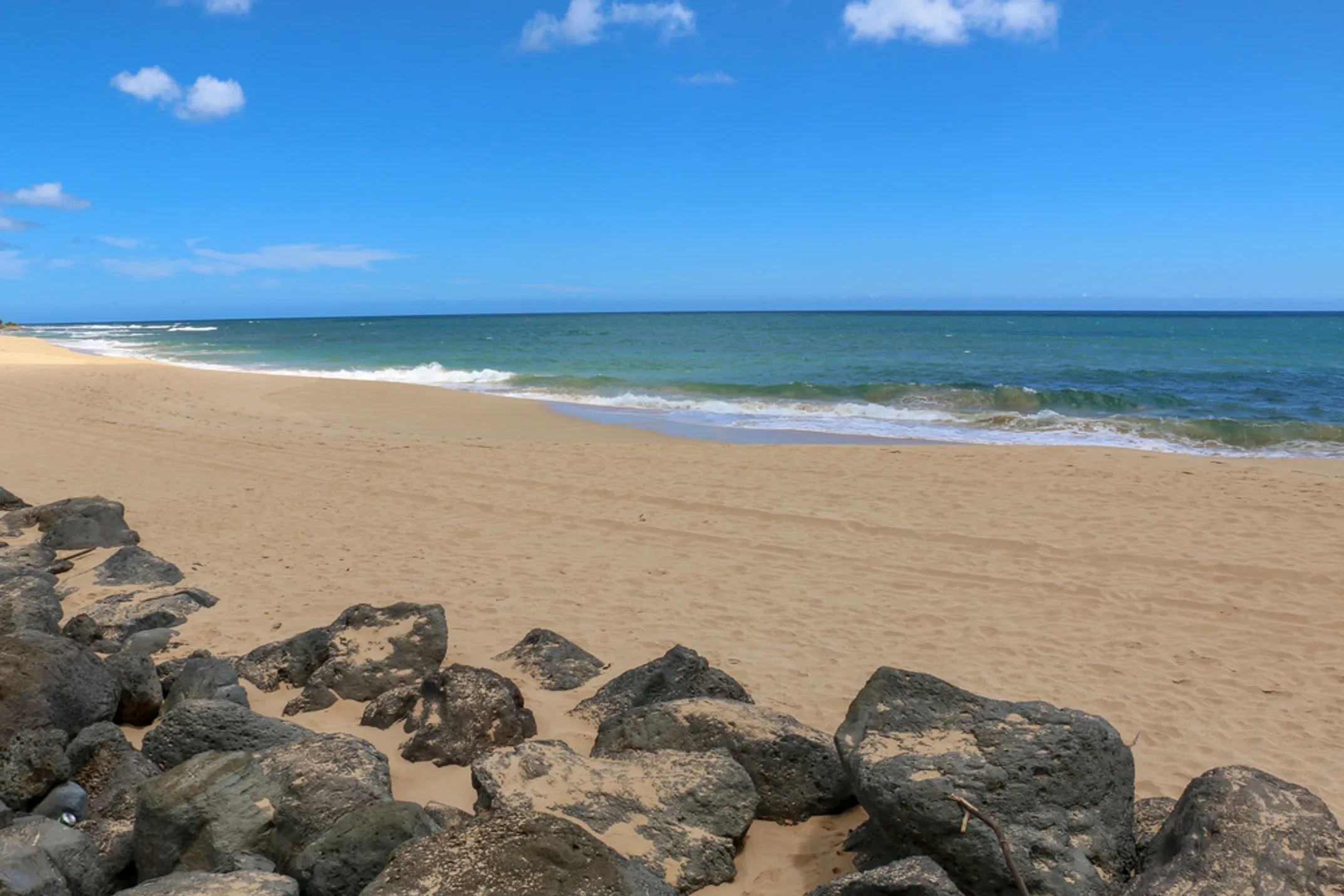
Kekaha Beach Kauai
Epic Sunsets, Expert Surfing, and Critical Ocean Safety
Written by a Kauai Local Expert
Leilani AkoThe moment you drive west on Kauai, something shifts. The busy resorts of Poʻipū disappear behind you. The road gets narrow. The island starts to breathe deeper. You pass through old Waimea town, then arrive in Kekaha.
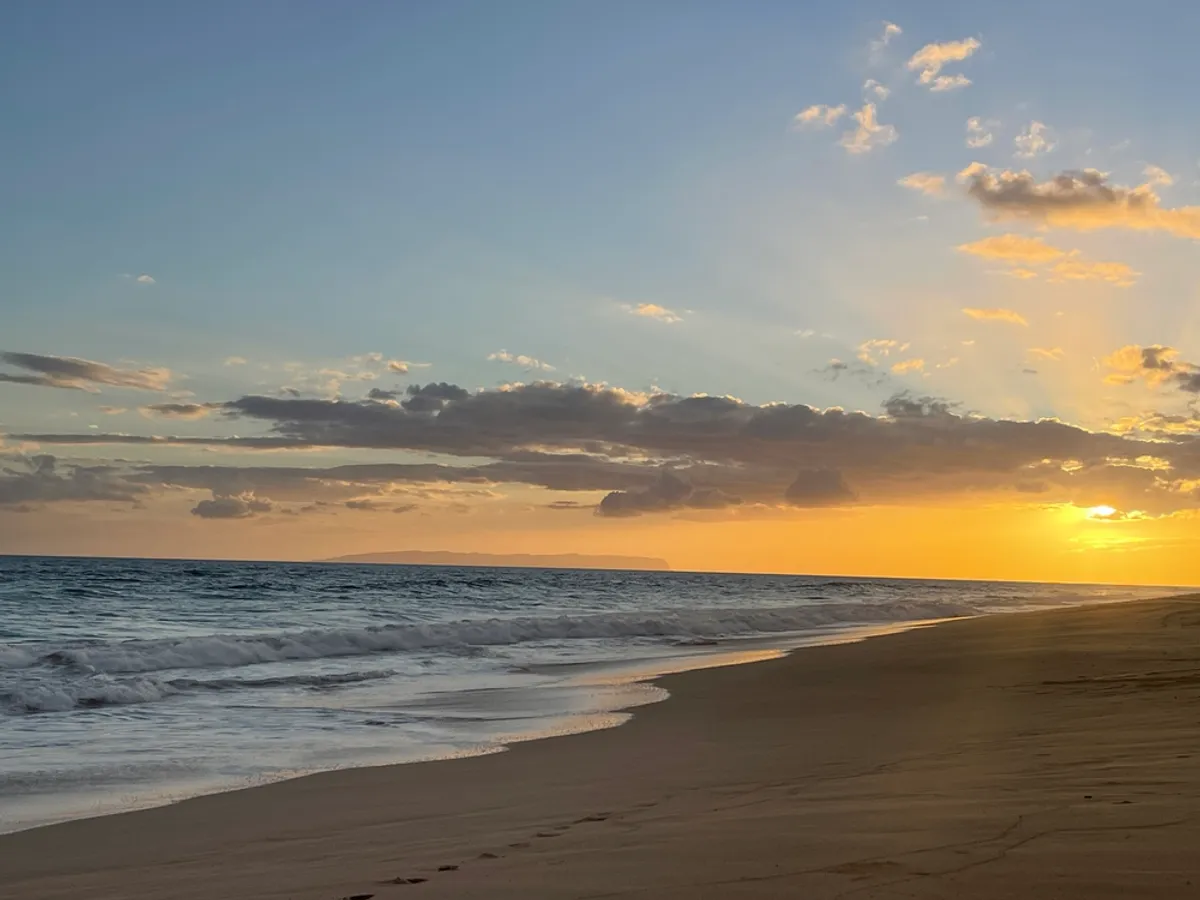
The first time I felt this place's real power, I was small in the back of my father's truck. Salt and dry earth filled the air. Such a change from the wet, thick air up north. We stopped along Kaumualiʻi Highway. I watched the sun bleed across the sky in colors I had no words for. It dropped behind Niʻihau's dark shape on the horizon. The most peaceful moment I'd ever known. Yet under that peace came the ocean's constant roar. A sound like a heartbeat. Life-giving but deeply scary.
That's Kekaha Beach. A place of wild, raw beauty and equal danger. It will give you the most amazing sunset of your life. A memory that plants itself in your heart forever. It can also be the last beach you ever swim at.
My family stories run through these islands. My hula training connects me to voices and truths most visitors never hear. I need you to understand both sides before you step on that golden sand.
This isn't your normal travel write-up. This is the most honest take on Kekaha Beach you'll find anywhere. My goal is helping you feel its incredible mana—its spiritual power—safely, with respect, and deep appreciation. We'll talk about sunsets, world-class surfing, and vibrant local culture. But first, we must talk about the ocean.
Ocean Safety at Kekaha Beach: What You Must Know
Before we get to Kekaha's beauty, we need a serious safety talk. Nothing else matters if you don't respect this water. I can't stress this enough. Other guides often miss this completely. Kekaha Beach is one of Kauai's most dangerous shorelines for swimming and wading.
Many visitors see that Kekaha Beach Park has a lifeguard tower and make a deadly mistake. They think the beach is safe. This creates a "safety trap" that leads to tragic results. That lifeguard tower at one spot along 15 miles of coast doesn't mean safety. It means the opposite. The tower at MacArthur Park exists because conditions are so dangerous that trained rescue pros must watch even that small area.
Most of this wild, windy coast has no guards. You're at the mercy of an ocean as powerful as it is unpredictable.
The Three-Part Danger
Kekaha's danger isn't random. It comes from its unique setup.
The Crushing Shorebreak
Kekaha Beach faces the open Pacific with nothing to stop it. Unlike Kauai's calmer beaches, it has no outer reef to break up incoming swells. Powerful waves from storms thousands of miles away travel straight across the ocean. They hit the shallow, sandy shore with full force.
This creates violent, pounding shorebreak that can slam you into sand with incredible power. Head, neck, and spine injuries happen here. The force snaps surfboards in half. Even knee-deep wading is extremely dangerous. One wave can knock you down and pull you into churning water.
The Hidden Killer: Rip Currents
Kekaha produces strong, unpredictable rip currents. These narrow water channels are the number one hazard at surf beaches worldwide. They form when water from breaking waves rushes back to sea. This creates current that can pull even strong swimmers from shore faster than Olympic sprinters can swim.
At Kekaha, powerful swells, no reef, and shifting sandy bottom create perfect conditions for these currents. They can form anywhere, anytime. If you're ever caught in a rip current, don't panic. Don't fight it straight on. It won't pull you under, but it will pull you out. Stay calm, save energy, swim parallel to shore until you escape the current's pull. Then swim back toward shore at an angle away from the rip.
The Shifting Seafloor
Kekaha's ocean floor isn't a stable rock or coral reef. It's moving sand and silt washed down from Waimea Canyon over thousands of years. This soft bottom constantly changes from powerful waves and currents. Sandbars form, disappear, and reform in new spots. This means where waves break and rip currents form is always changing. A calm spot one hour becomes a dangerous rip current the next. This unpredictability means only people with lifetime ocean experience should consider entering the water.
Lifeguard Reality: What You Need to Know
You must understand lifeguard limits at Kekaha.
Location: The only guarded area is at MacArthur Park, the official name for Kekaha Beach Park.
Hours: Lifeguards work daily from 9:00 a.m. to 5:00 p.m. Outside these hours, no one can help you.
Coverage: Lifeguards at this single tower handle a tiny part of the 15-mile beach. Walk a few hundred yards from their tower and you're alone in some of Hawaii's most dangerous water.
Protocol: Always talk to a lifeguard about current conditions before getting near water, even in the guarded zone. They know the day's swell, tides, and hidden hazards. If they say "stay out," you stay out. No exceptions.
Learning Through Stories
Growing up here, you learn ocean respect through stories. We all know someone who had a close call or needed rescue. I remember hearing about a visitor, a strong swimmer, pulled out by the current. Luckily a local surfer saw him and could help.
These aren't just stories. They're lessons. Drownings are tragic reality in Hawaii, especially for visitors unfamiliar with our ocean power who go to unguarded beaches. Snorkeling causes many visitor drownings. Kekaha, with rough water and poor visibility from river runoff, is completely wrong and dangerous for this activity.
The area also has rich marine life. This means encounters with larger sea animals are possible. There have been shark sightings, including tiger sharks, that made authorities temporarily close the beach to all water activities. Another reminder you're entering wild, natural space that demands full attention and respect.
Here's a clear risk breakdown:
Swimming: EXTREME / NOT RECOMMENDED
"Please, find another beach to swim. Salt Pond or Poipu are much safer. I would never swim here."
Wading: HIGHLY DANGEROUS
"The shorebreak can knock you off your feet instantly. Never turn your back on the ocean."
Rip Currents: FREQUENT & POWERFUL
"They're common along the entire 15-mile stretch. Know how to spot them and escape."
Lifeguard Zone: MacArthur Park ONLY (9am-5pm)
"Don't assume the beach is safe. The tower is there because it's dangerous."
Emergency: Call 911
Kauai's Ocean Safety Bureau is incredible, but help can be far away on this coast.
Safety Resources
Your safety is your responsibility. Always check conditions before going.
- Live Beach Conditions: Hawaii Beach Safety (hioceansafety.com) or Safe Beach Day (safebeachday.com/county/kauai/)
- Official Surf Forecast: National Weather Service Marine Forecast for Kauai
- Kauai Ocean Safety Bureau: For non-emergency questions, call (808) 241-4984
Explore Kekaha Beach
From legendary sunsets to local culture, discover everything this powerful West Side beach has to offer.
ℹ️ Quick Info
- Beach Type: Open Ocean
- Length: 15 miles
- Swimming: Not Safe
- Lifeguards: 9am-5pm
- Best For: Sunsets
🌊 Ocean Conditions
- Powerful shorebreak
- Strong rip currents
- Shifting seafloor
- No protective reef
🔗 Explore Kekaha
🚨 Emergency
- Emergency: 911
- Ocean Safety: (808) 241-4984
- Police: (808) 241-1711