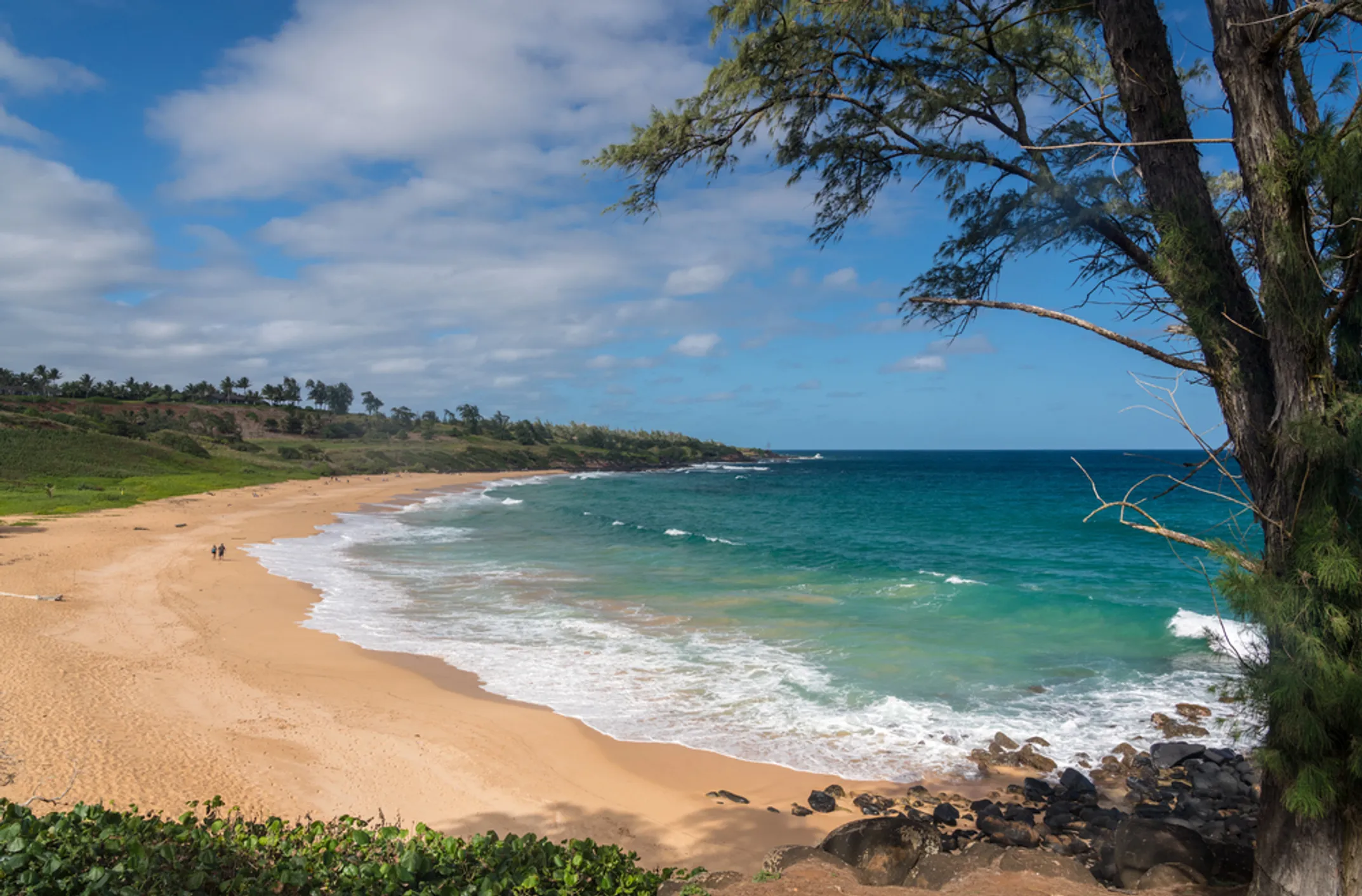
Kealia Beach Surfing & Activities
From world-class waves to winter whale watching, discover Kealia's adventures

Written by a Local Expert
Leilani AkoAdventures Await: Kealia Beach Activities
When you respect its power, Kealia offers some of the East Side's most exciting and memorable experiences. It's a playground for ocean lovers and a place of quiet beauty for those preferring to stay on sand.
Surfing and Boogie Boarding: East Side Swell Magic
For island surfers, Kealia is reliable and beloved. It's where you go for sessions before or after work. A place that delivers waves when other spots might be flat.
The Break Breakdown
Kealia is classified as an exposed beach and reef break. Waves break over a bottom of sand and rock. It produces both left and right-breaking waves. It's known for remarkable consistency, offering surfable waves any time of year and on all tide stages.
Who Should Surf Here
This spot is for intermediate to expert surfers. Powerful waves, strong currents, and often-crowded lineups make it challenging and potentially dangerous for beginners. Novice surfers should stick to the protected northern jetty area, and only on very calm days.
Best Seasons and Conditions
While you can find waves here almost any day, the most consistent and powerful swells arrive during winter months from November to March. The perfect Kealia session combines a solid Northeast swell with light West-Southwest offshore wind. This holds the wave face up, creating a clean, rideable wall. March often provides the highest chance of these ideal, clean conditions.
Respect the Lineup
Kealia is popular with locals and can get crowded, especially on good swells. As a visitor, showing respect is essential. Follow surf rules: don't drop in on other surfers, know your limits, and be mindful of the established order. Watch the break from beach for at least 15 minutes before paddling out. This helps you understand wave patterns, see where the crowd sits, and feel the session's rhythm.
Honoring a Legend: The Andy Irons Memorial
Walking the golden sand, you'll notice a prominent memorial near the beach center. This tribute honors one of surfing's greatest champions and a true Kauai son, Andy Irons. A three-time world champion, Andy's raw talent and fierce competitive spirit were shaped on waves just like these. Kealia was one of his home breaks. His early passing deeply affected the global surfing community and Kauai. The memorial is a sacred spot, a pilgrimage site for surfers worldwide, and a powerful reminder of the spiritual connection between this place and those who love it.
Winter Whale Watching: Nature's Greatest Show
During winter months, Kealia becomes a front-row seat for one of nature's most magnificent displays. Humpback whales migrate from Alaska's cold waters to Hawaii's warm, shallow waters to breed and give birth.
When to Look
Official whale season runs from December to May, but peak viewing months are January, February, and March.
Where to Look
The entire half-mile beach stretch offers excellent, elevated ocean views. For an even better perspective, stop at the Kapaʻa Overlook, a scenic highway pullout just south of Kealia Beach. This well-known whale watching spot provides perfect vantage points. The nearby Ke Ala Hele Makalae coastal path also serves as an ideal platform for spotting spouts, tail slaps, and full-body breaches.
Beyond the Waves: Fishing, Sunrises, and Peace
Kealia offers simple pleasures beyond high-energy activities. Local fishermen often cast lines from the northern rock jetty, continuing a generations-old tradition. Because it faces east, the beach is one of the island's premier sunrise viewing locations. A long walk along the water's edge as first light paints the sky perfectly starts your Kauai day.
Ocean Conditions: Reading the Water Like a Local
Learning to read Kealia's water conditions is crucial for safety and enjoyment. The ocean here changes personality based on several factors locals watch closely.
Swell Direction and Size
Northeast swells create the most consistent surf at Kealia. These swells, generated by storms in the North Pacific, can travel thousands of miles before reaching our shores. Winter months from November through March typically produce the largest and most frequent Northeast swells.
South swells, usually arriving in summer, can also produce waves here but are generally smaller and less consistent. Trade wind swells from the east are common year-round and create smaller, more manageable conditions.
Wave height measurements in Hawaii refer to the back of the wave, not the face. So a "6-foot" day might have wave faces that look much larger to visitors. Trust local reports and lifeguard assessments rather than trying to estimate size yourself.
Trade Wind Effects
Trade winds blow from the northeast most of the year, typically 10-25 mph. When trades are strong and directly onshore, they create choppy, blown-out conditions that make surfing difficult and swimming uncomfortable. Light trades or offshore winds create cleaner, more organized waves.
Variable or calm wind conditions, though less common, often produce the cleanest surf. These "glass off" conditions usually happen early morning or late afternoon and create perfect wave faces for experienced surfers.
Tide Influences
Kealia works on all tide stages, but different tides create different experiences. Lower tides expose more of the shallow reef and sandbar areas, often making the shorebreak more powerful and dangerous for swimmers. Higher tides can reduce wave power in some areas but may allow larger waves to reach shore.
The biggest tidal swings happen during new and full moons. These "spring tides" can create extreme high and low water levels, affecting both wave patterns and current strength.
Seasonal Patterns
Winter (November-March)
Biggest swells, most consistent surf, prime whale watching, but also most dangerous conditions for swimming. This is when Kealia shows its wildest personality.
Spring (April-May)
Swells begin to diminish, winds often lighten, and conditions become more mixed. March through May can offer some of the cleanest surfing conditions.
Summer (June-September)
Typically smaller waves from south swells, stronger trade winds, and calmer overall conditions. Better for beginners, though still requiring caution.
Fall (October-November)
Transition period with variable conditions as winter swell season approaches. Can offer excellent surfing with fewer crowds.
Marine Life and Natural Wonders
Kealia's dynamic environment supports diverse marine life and natural phenomena that add magic to any visit.
Humpback Whales
These magnificent creatures are Kealia's most spectacular visitors. Adult humpbacks can reach 60 feet long and weigh 40 tons. They travel roughly 3,000 miles from Alaska to Hawaii, one of the longest migrations in the animal kingdom.
From shore, you might see:
- Spouts: Whale breath can shoot 30 feet high and be visible from miles away
- Breaches: Full body jumps that create massive splashes
- Tail slaps: Whales hitting the water surface with their massive flukes
- Pec slaps: Whales lying on their sides and slapping long pectoral fins on the water
Peak activity often happens during morning hours when winds are lighter and the ocean surface clearer.
Monk Seals
Hawaiian monk seals occasionally visit Kealia Beach. These endangered marine mammals need our respect and protection. If you see a seal on the beach, stay at least 50 feet away. Never approach, touch, or feed them. Report sightings to NOAA's marine mammal hotline at 1-888-256-9840.
Monk seals often come ashore to rest, which is completely normal behavior. They may stay on the beach for hours or even days. Disturbing them is illegal under federal law and can result in heavy fines.
Sea Turtles
Hawaiian green sea turtles (honu) sometimes appear in Kealia's waters. These sacred animals are protected by law. Maintain at least 10 feet distance in water and on land. Never touch, chase, or ride sea turtles.
Turtles may surface near shore to breathe or rest in shallow areas. They can hold their breath for hours but need to surface regularly. Watch quietly and consider yourself lucky to witness these ancient mariners.
Seabirds
Multiple seabird species call Kealia's coast home or visit regularly:
- Wedge-tailed Shearwaters: Dark seabirds that skim wave surfaces hunting for fish
- Red-footed Boobies: Large seabirds with distinctive red feet that dive for fish
- Great Frigatebirds: Massive seabirds with 7-foot wingspans that soar on thermals
- Cattle Egrets: White wading birds often seen in beach grass areas
Early morning and late afternoon offer the best seabird viewing opportunities.
📖 Kealia Beach Guide
🏄 Surf Info
- Break Type: Beach/Reef
- Skill Level: Intermediate+
- Best Season: Nov-Mar
- Best Wind: W-SW Offshore
- Crowd Factor: Can be crowded
🐋 Whale Season
- Season: Dec-May
- Peak Months: Jan-Mar
- Best Time: Early morning
🌊 Activities
- Surfing (intermediate+)
- Boogie boarding
- Whale watching
- Shore fishing
- Sunrise viewing
- Beach walking
🏆 Andy Irons Memorial
Visit the memorial honoring 3x world champion Andy Irons, a Kauai legend who surfed these very waves.