The Hub of Sunshine: Poʻipū
Discover world-class beaches and botanical wonders
Written by a Kauai Local Expert
Kalani MillerThe Hub of Sunshine: A Deep Dive into Poʻipū
Poʻipū is the vibrant center of the South Shore, where the energy is as bright as the sun. It's a place of beautiful resorts, world-class golf, and some of the most famous beaches in the world. But even within this polished paradise, there are layers of adventure and tranquility waiting to be discovered.
Poʻipū Beach Park: The Heartbeat of the South Shore
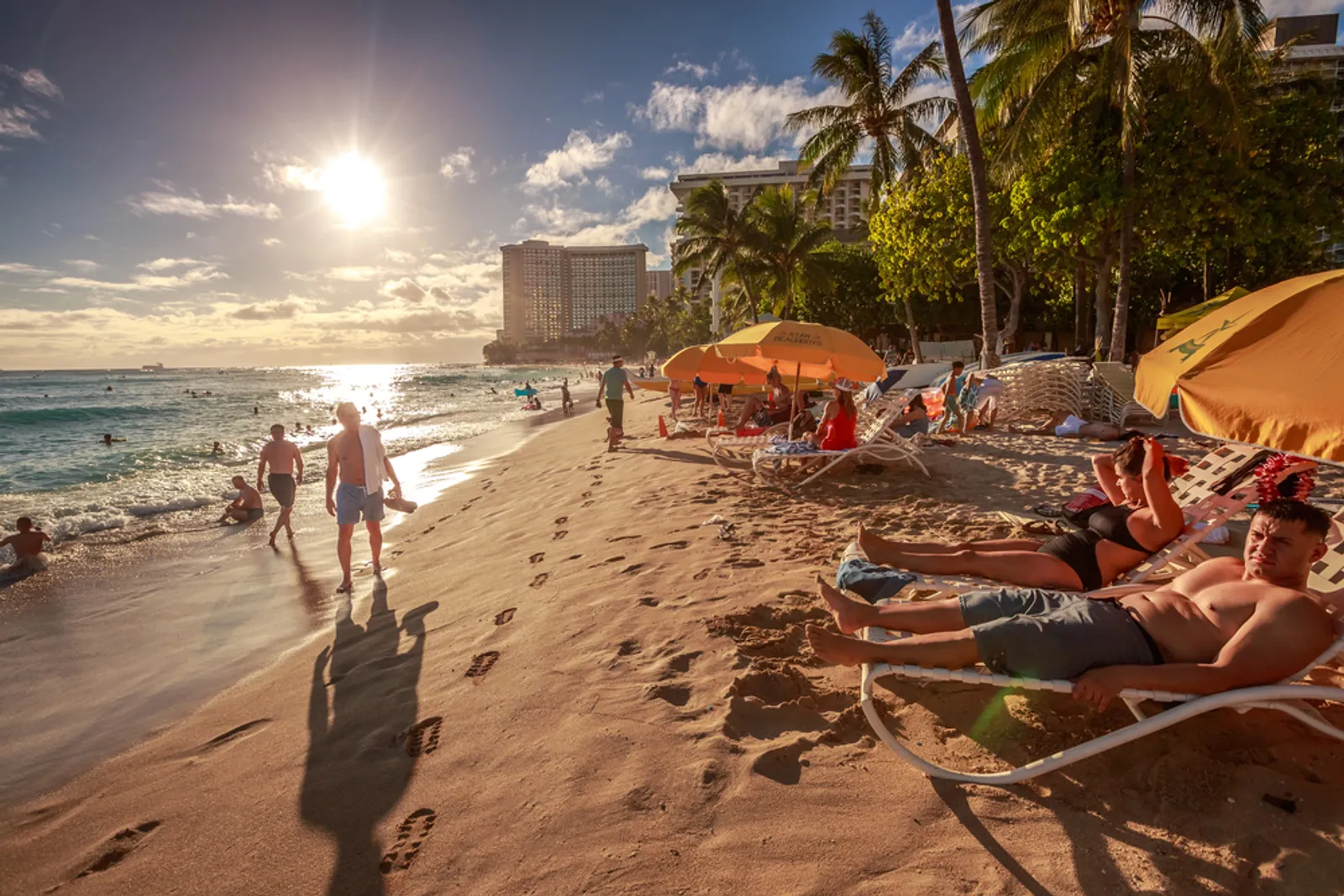
If there's one beach that defines the South Shore, it's Poʻipū Beach Park. It was once named "America's Best Beach," and for good reason—it truly offers something for everyone. The beach has a unique geography, divided into two beautiful, crescent-shaped bays by a narrow sandbar called a tombolo. This natural division creates two very different beach experiences.
The Western Cove: A Family & Snorkeler's Paradise
On the west side of the sandbar, you'll find a wonderfully protected swimming area, often called "Baby Beach." A shallow reef breaks the waves far offshore, creating a calm, clear pool that's perfect for keiki (children) and novice snorkelers. Lifeguards are on duty here, adding an extra layer of safety for families.
The water is teeming with colorful tropical fish like the raccoon butterflyfish and Moorish idol, and it's one of the most reliable places on the island to swim alongside our beloved honu, the Hawaiian green sea turtle. In the mornings, when the water is at its calmest, you can float effortlessly and watch this underwater world come to life.
The snorkeling here is extraordinary. Schools of yellow tangs dart between coral formations while parrotfish graze peacefully on the reef. I've seen families spend entire mornings here, with parents relaxing on the sand while their children safely explore the shallow waters with snorkel gear. The clarity of the water is remarkable, often extending visibility to 60 feet or more on calm days.
Brennecke's Beach: The Bodyboarder's Haven
On the eastern side of the tombolo is Brennecke's Beach, a legendary spot for bodyboarding and bodysurfing. The waves here are consistent and powerful, creating an exciting shore break that attracts both locals and visitors. You'll always find a fun wave to ride at Brennecke's, but it's important to know your limits and be mindful of the strong currents.
While you can watch advanced boogie boarders here, it's worth noting that traditional stand-up surfing is not allowed. The beach break here is perfect for bodyboarding, with waves that form close to shore and provide thrilling rides right onto the sand. Local kids learn to bodyboard here, and you'll often see three generations of families sharing waves together.
The beach has a small but dedicated following of regulars who know exactly when and where the best waves break. During summer swells, particularly those coming from the south Pacific, Brennecke's can produce waves that are both fun for beginners and challenging enough for experts.
As a local, my favorite time to visit Poʻipū Beach is late afternoon. As the sun starts to dip, the honu come ashore to rest for the night. You'll see them on the sand, sometimes dozens at a time, finding their spot for a peaceful sleep. It's a sacred sight, a true gift from our island.
If you see them, please, give them plenty of space—at least 10 feet is the law—and never, ever touch them. Just watch and appreciate this incredible moment. It's the real aloha spirit in action. These ancient creatures have been coming to this beach for generations, and watching them emerge from the waves at sunset is one of those moments that reminds you why Hawaii is such a special place.
ℹ️ Quick Info
- Best Time: Morning & late afternoon
- Lifeguards: On duty daily
- Parking: Free lot available
- Facilities: Restrooms & showers
- Best For: Families & snorkeling
🗺️ South Shore Guide
You are here
Next →
Māhāʻulepū Heritage Trail Dining & Planning📍 Explore Other Regions
Shipwreck Beach (Keoneloa Bay): Sunrise, Surf, and Legends
Just a short walk east from the Grand Hyatt Kauai Resort & Spa lies Keoneloa Bay, better known to everyone as Shipwreck Beach. The name comes from an old wooden boat that was wrecked here long ago; though the ship itself has vanished, the name and its adventurous spirit remain.
Facing east, this is one of the best spots on the South Shore to watch the sunrise. Seeing the first golden light hit the tall, lithified cliffs that flank the beach is a morning ritual for many locals and photographers. The beach itself is a long, beautiful stretch of sand, but the ocean here is a different story. The currents are strong and the waves can be powerful, making it a great place for experienced surfers and bodyboarders, but not ideal for casual swimming.
The beach stretches for nearly a mile, offering plenty of space for morning walks, jogging, or simply finding a quiet spot to watch the waves. The sand here is different from other South Shore beaches—coarser and more golden, mixed with small pieces of coral and shell that have been tumbled smooth by centuries of wave action.
During winter months, this beach transforms into a whale watching paradise. Humpback whales migrate through Hawaiian waters from December through April, and Shipwreck Beach's eastern exposure makes it an excellent vantage point for spotting these magnificent creatures. I've watched mothers teaching their calves to breach, their massive bodies launching clear out of the water in displays of pure joy and power.
The Cliff Jump: A Word of Extreme Caution
At the eastern end of the beach, a 40-foot cliff juts out over the water, and it has become a famous spot for cliff jumping. You will likely see people making the leap, and it's an undeniable thrill to watch. However, I have to be honest with you. We locals see visitors make this jump, and it makes us nervous.
The currents at the base of this cliff are powerful and can change in an instant. There are hidden rocks below the surface, and tragically, people have lost their lives here. If you're thinking about it, you need to understand the risk is very real. Check the tides, watch the conditions for a long time, and see where experienced locals are jumping and exiting the water. If you have even a shred of doubt, please don't do it. Your safety is more important than any photo.
The cliff jumping spot has become increasingly popular due to social media, but what many don't realize is that conditions here change dramatically with tides, swells, and seasons. Local emergency responders have seen too many accidents from people who didn't understand the ocean conditions. The smart approach is to watch, appreciate the skill of experienced jumpers, and choose safer ways to enjoy this beautiful coastline.
More than just a beach, Shipwreck's serves as the gateway to one of the South Shore's greatest adventures. It is the official starting point for the Māhāʻulepū Heritage Trail, which will lead us away from the resorts and into the wild, undeveloped heart of the coast.
The Living Libraries: Allerton & McBryde Botanical Gardens
Nestled in the lush Lāwaʻi Valley, just a short drive from Poʻipū, are two of the most magnificent gardens in all of Hawaii: Allerton Garden and McBryde Garden. They are part of the National Tropical Botanical Garden, a non-profit organization dedicated to conservation and research, and they offer two completely different but equally stunning experiences.
Allerton Garden: A Masterpiece of Art and Nature
Allerton Garden is best described as a living work of art. It was once the private estate of Robert Allerton and his partner John Gregg, who meticulously designed a series of outdoor "rooms" featuring dramatic fountains, classical statues, and lush, exotic plants.
A visit here feels like stepping into a fantasy. You'll walk through groves of swaying golden bamboo and past vibrant flower gardens. The garden's design philosophy combines formal European landscaping with tropical Hawaiian plantings, creating spaces that are both sophisticated and wildly beautiful.
The most famous residents are the gigantic Moreton Bay Fig trees, whose massive, serpentine roots became a movie star in their own right in Jurassic Park—you'll immediately recognize them as the spot where the dinosaur eggs were discovered. These trees are over 100 years old and create natural cathedrals with their intertwining branches and aerial roots.
The garden is divided into distinct areas, each with its own character. The Diana Fountain area features a classical statue surrounded by perfectly manicured lawns and flowering trees. The Bamboo Garden creates a living green tunnel that filters sunlight into dancing patterns on the walkway below. Each turn reveals new surprises, from hidden grottos to sweeping ocean views.
If you're looking for cinematic beauty and romance, Allerton is your spot. They offer several guided tours, including a special sunset tour that is truly magical. The evening light transforms the garden into something even more ethereal, with golden hour illumination creating perfect photography conditions.
McBryde Garden: A Botanical Ark for Hawaii's Native Plants
Adjacent to Allerton is McBryde Garden, a place of immense scientific and cultural importance. This garden is a vital "botanical ark," home to the world's largest collection of native Hawaiian flora outside of the wild. While Allerton is about landscape design, McBryde is about conservation.
Here, you can take a self-guided tour and walk among the very plants that are the soul of Hawaiʻi—species that are threatened, endangered, or even extinct in the wild. You can see extensive collections of palms, flowering trees, and a garden dedicated to the "canoe plants" brought by the first Polynesian voyagers.
The Canoe Plant Garden is particularly fascinating, showcasing the plants that sustained ancient Hawaiian civilization. Kalo (taro), the sacred plant that Hawaiians believe humans were created from, grows alongside niu (coconut), ulu (breadfruit), and other plants that provided food, medicine, and materials for daily life.
The garden also houses rare native Hawaiian plants like the Hawaiian tree cotton, which produces a silky fiber that was once used to make incredibly soft textiles. Many of these plants exist nowhere else on Earth, making McBryde not just a garden but a living museum of Hawaiian biodiversity.
Conservation efforts here are ongoing and vital. Scientists work to propagate endangered species, study plant genetics, and develop strategies to protect native ecosystems from invasive species. Walking through McBryde is like taking a journey through time, seeing Hawaii as it existed before human contact and understanding what we're working to preserve for future generations.
If you have the time, the "Best of Both Worlds" tour is fantastic, as it gives you a taste of both the artistry of Allerton and the scientific heart of McBryde. It's a perfect way to appreciate the full story of this incredible valley.