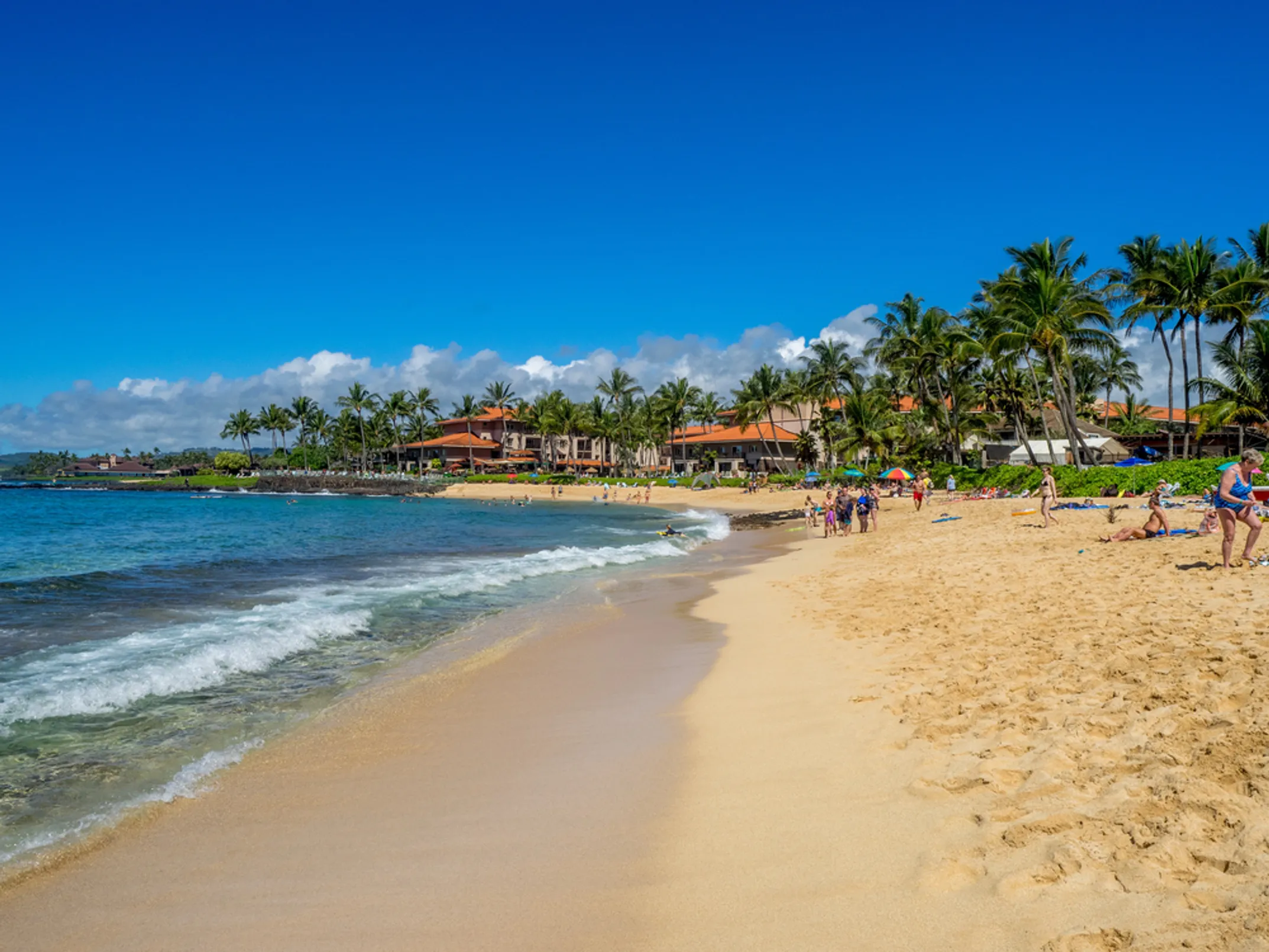
Why Poipu Beach Is Kauai's Crown Jewel
Turtles, Snorkeling, and Family Fun on the South Shore
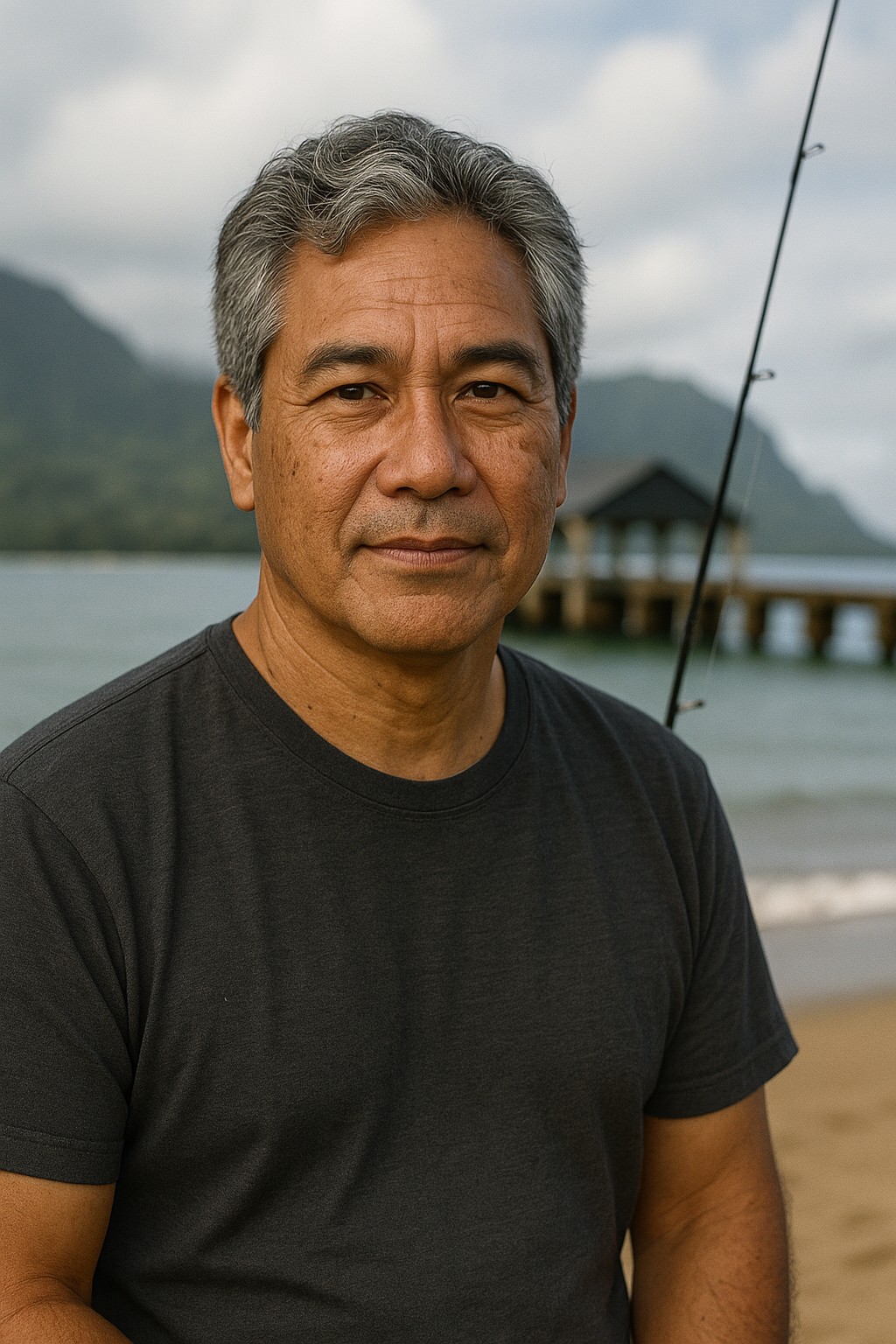
Written by a Local Expert
Kalani MillerThe trade winds carry the scent of plumeria as I write this, sitting under my favorite ironwood tree overlooking Poipu Beach. My tutu took me here before I could swim properly. She'd point to the sandbar we call Nukumoi Point and say, "This is the heart of the beach, Kalani. It splits the water, giving us a place to play and a place to be thrilled." Then she'd show me the honu resting on warm sand, their shells catching afternoon light. She taught me this place was special, a gift. She was right.
Poipu Beach Park isn't just another stretch of sand on Kauai's sunny South Shore. It's a living ecosystem and cultural touchstone that earned recognition as one of America's best beaches from experts like Dr. Beach. This place deserves more than a quick visit. You need to see Poipu through island eyes, beyond the basic facts to understand its unique layout shaped by ocean forces, the secrets of its underwater world, and the proper way to share space with precious wild residents.
A Tale of Two Beaches: Understanding Poipu's Magic
To truly know Poipu, you must first grasp its most striking feature. This isn't one beach but two distinct shores joined by a single, remarkable strip of sand. This unique layout isn't random design. It's the result of fascinating geological processes that shape everything from where you swim to where monk seals sleep.
The Living Heart of Poipu: Nukumoi Point Tombolo
The narrow sand spit connecting a small offshore island to the mainland is Poipu's centerpiece. Its proper name is Nukumoi Point. Scientists call it a tombolo. These landforms are rare and remarkable. They form when waves traveling from deep ocean encounter shallow water around an island and bend, or refract, around it. As waves wrap around the island and meet on the sheltered side, they lose energy and drop the sand they carried. This process, called longshore transport, slowly builds a sandy bridge connecting island to shore.
What makes the Poipu tombolo so special is its ephemeral nature. It's a living part of the beach that shifts with tides and seasons. Some days it's a wide, sandy highway. On others, during high tide, it can be almost completely underwater, allowing water to flow between the two bays. This dynamic quality means the beach is subtly different every time you visit. It's a constant reminder of the ocean's power and grace.

This geological heart creates two completely different water environments. The tombolo acts as a natural breakwater, absorbing wave energy and creating calm, protected water on one side while allowing more active surf on the other. This separation makes Poipu so versatile, offering a perfect spot for every kind of beachgoer.
The tombolo itself, as a prominent and peaceful sand spit, has become the preferred resting spot for Hawaiian monk seals, making the beach's geology directly responsible for incredible wildlife viewing opportunities.
This sacred stretch of coast carries deeper meaning than recreational paradise. Just across the road from the park lies the Kāneiolauma Heiau, a 13-acre complex that was part of a massive ancient Hawaiian settlement. This frames Poipu not just as a place to play, but as a site of deep cultural and historical importance, reminding us to tread with respect and reverence.
The Gentle West Side: Baby Beach and Snorkeler's Haven
To the right when you face the ocean lies a gentle, crescent-shaped bay. This is the area we often call Baby Beach. Protected by an underwater barrier of ancient lava rock and sheltered by the tombolo, this cove features calm, shallow water perfect for keiki and swimmers not yet confident in open ocean. The water here stays crystal clear, making it an ideal and safe environment for families to enjoy the sea together.
This protected bay, particularly the area directly in front of Marriott's Waiohai Beach Club, is also the primary spot for snorkeling at Poipu. The calm conditions and abundant marine life make it a world-class location for underwater exploration, which I'll detail later.
The Playful East Side: Brennecke's Beach
On the left side of the tombolo, you'll find completely different energy. This is Brennecke's Beach, famous throughout Kauai as one of the best spots for boogie boarding and body surfing. The beach here has consistent and reliable shore break that provides fun, rolling waves perfect for riding to shore. While waves are generally larger during summer months, Brennecke's offers year-round action.
It's important to note that this beach is for bodyboarding and bodysurfing only. Traditional board surfing isn't permitted here. Surfers will find their designated break further out from the main Poipu beach area. Even on smaller days, the shore break at Brennecke's can be powerful, so always exercise caution, especially with children. This is the place for thrills and laughter, where you'll see locals and visitors alike catching waves until the sun goes down.
Explore Everything Poipu Beach Offers
From world-class snorkeling to endangered wildlife viewing, planning tips to cultural insights - discover the complete guide to Kauai's crown jewel.
ℹ️ Quick Info
- Location: South Shore
- Parking: Free (limited)
- Lifeguards: 8AM-6PM daily
- Best For: Families
- Facilities: Full amenities
🏖️ Activities
- Snorkeling
- Bodyboarding
- Swimming
- Wildlife viewing
- Photography
The Cultural Significance of Poipu
Beyond its natural beauty and recreational opportunities, Poipu holds deep cultural significance for Native Hawaiians. Understanding this history enriches your experience and helps foster the respectful appreciation this place deserves.
The name "Poipu" itself carries meaning - it refers to a "crashing" or "crushing" sound, likely referring to the sound of waves against the shoreline. This area has been inhabited for over a thousand years, with archaeological evidence showing extensive Native Hawaiian settlements throughout the region.
Kāneiolauma Heiau
The nearby heiau was part of a much larger complex that included residential areas, agricultural terraces, and other religious sites.
Ahupuaʻa System
Traditional land divisions that run from mountain to sea, ensuring communities had access to all resources they needed.
Lawaiʻa Traditions
Traditional fishing practices were extensively practiced in these waters with sustainable harvesting methods.
When you visit Poipu, you're not just enjoying a beautiful beach - you're stepping into a landscape that has been cherished, protected, and sustainably managed by Native Hawaiian communities for over a millennium. This awareness should inform how we behave as visitors, ensuring that our presence honors rather than diminishes this cultural legacy.