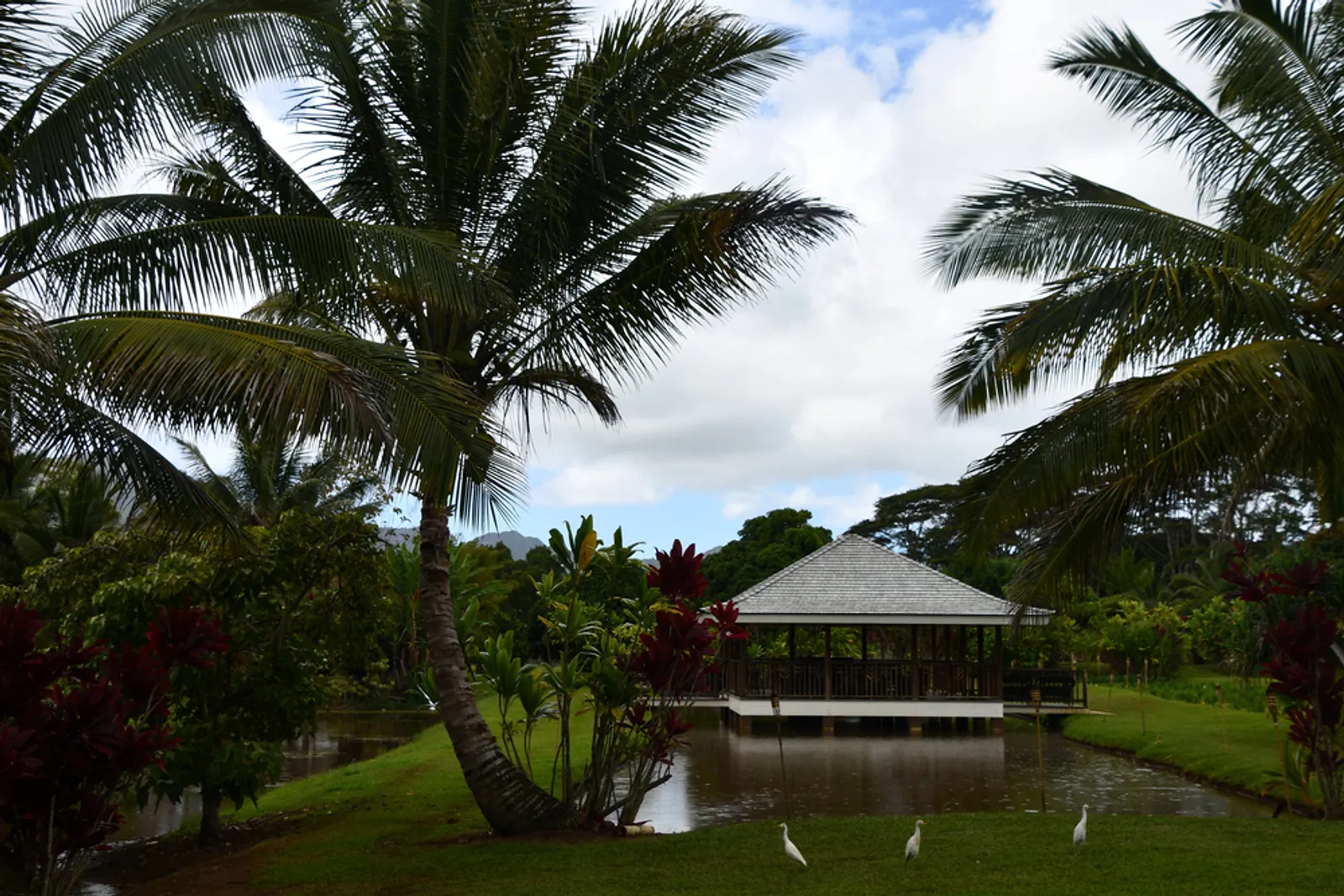
Grove Farm Homestead Museum
Kauaʻi's Plantation History Comes Alive
Written by a Local History Expert
Kalani MillerWhere History Breathes
There's a scent to Kauaʻi's red dirt, especially after a light rain, that gets into your soul. It's the smell of iron and earth, of history itself. When I was young, my grandfather, whose own father came to these shores as a sakada from the Philippines, would take me by the hand and walk through fields that were once thick with sugarcane. He'd crumble the soil between his fingers and tell me, "This land, it remembers." He spoke of the backbreaking work, the calloused hands, the chorus of languages in the camps, and the quiet resilience that forged a new kind of family, an ʻohana born not of blood, but of shared struggle and hope.
To truly understand Kauaʻi today—its incredible diversity, its deep-seated aloha, the very rhythm of its life—you have to understand the story of sugar. And no place on this island tells that story with more honesty and heart than the Grove Farm Homestead Museum in Līhuʻe. This isn't just a collection of old buildings. It's a wahi pana, a sacred, storied place where the past isn't just remembered, it breathes. It's a time capsule meticulously preserved, not as a monument to wealth, but as a testament to the complex human drama that shaped our island home.
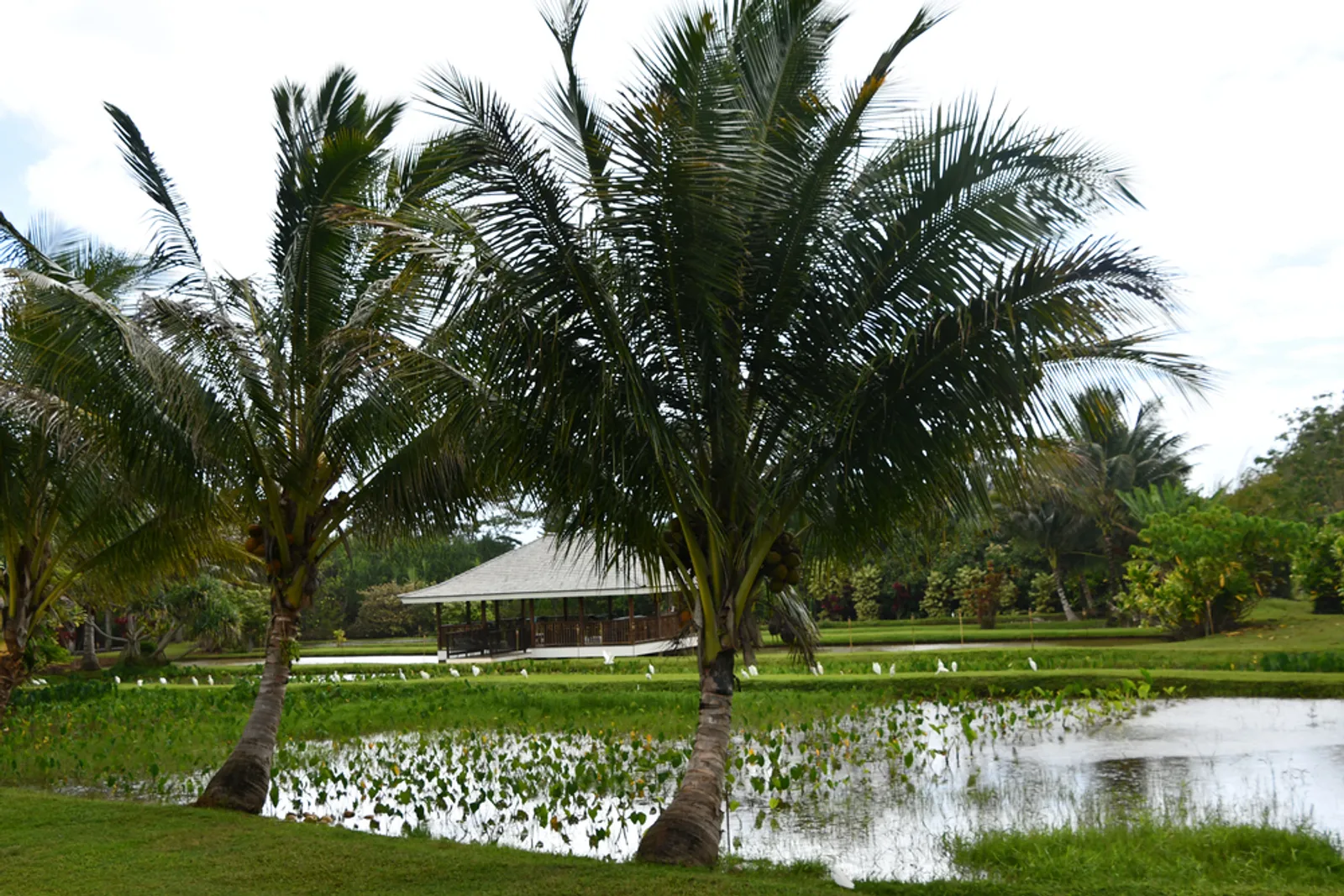
The magic of Grove Farm isn't just in the grand house or the antique machinery. It's in the moʻolelo—the stories—that cling to every wall, every tool, every blade of grass. It's a journey into three great narratives that converge on this 100-acre homestead.
I always tell people, the magic of Grove Farm isn't just in the grand house or the antique machinery. It's in the moʻolelo—the stories—that cling to every wall, every tool, every blade of grass. It's a journey into three great narratives that converge on this 100-acre homestead: the story of an ambitious and influential family who engineered a new future for Kauaʻi, the powerful, often-overlooked story of the multi-ethnic workforce that built that future with their sweat and sacrifice, and the remarkable story of foresight and preservation that saved it all for us to witness today. Come, walk these grounds with me, and let's listen to the stories the land has to tell.
The Rise of King Sugar: The Wilcox Family Legacy
The story of Grove Farm is, in many ways, the story of the Wilcox family, whose influence branched out across Kauaʻi, shaping its economy, technology, and civic life. But their story didn't start here. It began with a German immigrant named Hermann A. Widemann, who in the 1850s bought a tract of land, cleared a large grove of native kukui trees—giving the farm its name—and planted the first sugarcane. Widemann, however, faced the timeless challenge of Kauaʻi agriculture: water. His venture struggled, setting the stage for a man whose mind was uniquely equipped to solve the problem.
George N. Wilcox: The Engineer-Planter
George Norton Wilcox was a man born of two worlds. The son of American Protestant missionaries Abner and Lucy Wilcox, he was born in Hilo and raised at the Waiʻoli Mission on Kauaʻi's north shore. This upbringing instilled in him a profound sense of kuleana, or civic responsibility. Yet, his vision was fixed firmly on the future. After graduating from Punahou School, he traveled to the mainland to study civil engineering at Yale University's prestigious Sheffield Scientific School. This education would become the key that unlocked Kauaʻi's agricultural potential.
When G.N. Wilcox acquired the lease for the arid Grove Farm in 1864, he saw not just dry fields, but an engineering puzzle. Inspired by ancient Hawaiian irrigation ditches (auwai) he'd seen as a young man, he applied his modern engineering knowledge to design and construct a complex irrigation system. This system, a marvel for its time, successfully channeled water from the island's wet mountains down to the thirsty sugarcane fields on the plains. It was a revolutionary achievement that not only made Grove Farm thrive but also provided a blueprint for the entire Hawaiian sugar industry.
Wilcox was a relentless innovator. He was among the first on the island to adopt new technologies that propelled Kauaʻi into the modern age. In 1888, he replaced slow-moving oxen with powerful steam plows. He installed the island's very first telephone line in 1882 and imported one of its first automobiles in 1907. His forward-thinking nature was legendary. At the age of 91, he took his first airplane ride from Kauaʻi to Oʻahu.
His influence extended far beyond the farm's boundaries. He served in the legislature of both the Hawaiian Kingdom and the subsequent Republic of Hawaiʻi. Understanding that commerce required infrastructure, he personally financed the majority of the Nawiliwili Harbor breakwater, creating the island's primary deep-water port. His philanthropic spirit, rooted in his missionary upbringing, was immense. He was a primary force and benefactor behind the establishment of the G.N. Wilcox Memorial Hospital, which continues to serve the Kauaʻi community today.
The Wilcox ʻOhana's Kuleana
The family's sense of civic duty was a shared trait. George's niece, Elsie Hart Wilcox (1879-1954), became a political force in her own right. A graduate of Wellesley College, she was a fierce advocate for public education and, in 1932, became the first woman ever elected to the Senate of the Territory of Hawaiʻi. She championed legislation for equal pay for teachers and dedicated her life to public service, carrying the family's legacy of community building into the political arena. Her brother, Albert Spencer Wilcox, was also a prominent sugar planter who developed the nearby Kilohana Plantation, further cementing the family's economic influence on the island.
It is essential to make a critical historical clarification. The Wilcox family of Grove Farm, descended from American missionaries, is not related to Robert William Kalanihiapo Wilcox. Robert Wilcox was a celebrated Native Hawaiian patriot and royalist who led armed rebellions in 1889 and 1895 in attempts to restore the power of the monarchy and resist the forces that led to its overthrow. The two families represent starkly different sides of a pivotal and painful era in Hawaiian history.
This distinction highlights the complex nature of the Wilcox family's legacy. While they were undeniably builders, innovators, and philanthropists, their success was built upon the foundation of the plantation system. This system, by its very nature, was a rigid hierarchy that relied on low-wage labor and perpetuated social and economic inequality. Their good works—the hospitals, the schools, the civic leadership—can be seen as an expression of a deeply felt but paternalistic kuleana. They were powerful figures who saw it as their duty to care for the community they presided over, a community whose labor was the source of their wealth and influence. Their story is a duality of progress and paternalism, a legacy of profound generosity intertwined with the inherent inequities of the world they helped create.
Explore Grove Farm's Complete Story
From the immigrant workers who built the plantation to planning your visit to this living museum.
ℹ️ Quick Info
- Location: Līhuʻe, Kauaʻi
- Tour Duration: 2 hours
- Price: $20 adults
- Schedule: Mon/Wed/Thu
- Booking: Required
🗺️ Grove Farm Guide
You are here
Workers & community
Plan Your VisitTours & practical info
⭐ Tour Highlights
- Historic main house
- Plantation kitchen
- Worker's cottage
- Japanese teahouse
- Steam locomotives
- Historic gardens
🚂 Special Event
Train Day: Free rides on historic steam locomotives every 2nd Thursday of the month.
45-minute rides on vintage 19th-century plantation track. Reservations required.