The Living Legacy
Modern conservation meets ancient wisdom at Alekoko Fishpond
Written by a Local Expert
Kalani MillerThe Living Legacy: Modern Conservation Meets Ancient Wisdom
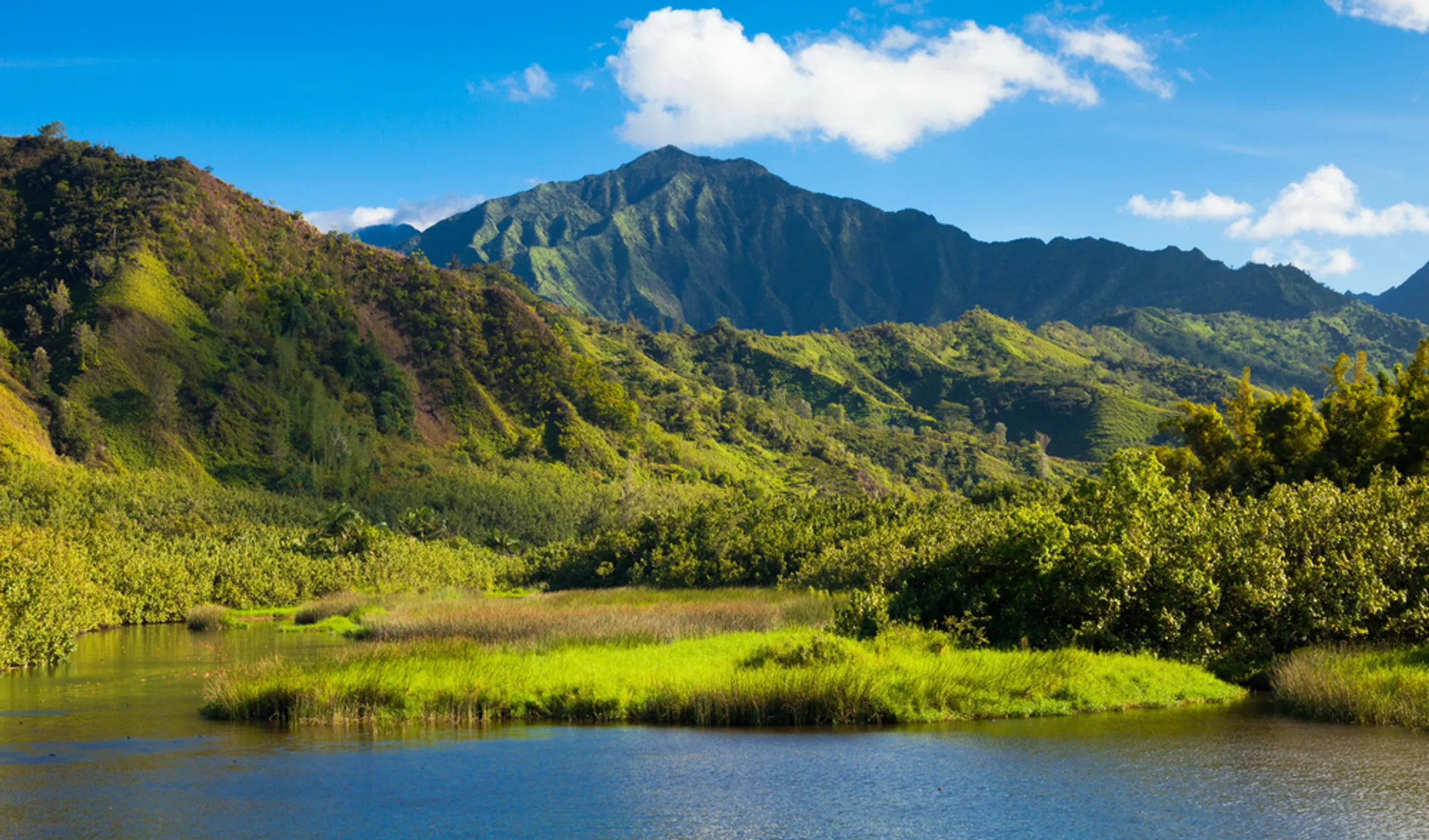
Alekoko's story didn't end with the Menehune. Today, a new moʻolelo is being written—one of community, conservation, and rebirth. This modern chapter powerfully reflects the ancient legend, showing how collective will can achieve the seemingly impossible.
A Modern Miracle: Saving Alekoko
For decades, the fishpond suffered from neglect. Red mangrove, an invasive species introduced to Hawaii in the early 1900s, had completely engulfed the pond's ancient wall. The mangroves choked the river, trapped sediment, and destroyed native wetland habitat. In 2009, the site was named one of Hawaii's most endangered historic places.
The situation became critical in early 2021 when the 102-acre property went up for sale, facing the threat of private development that could have destroyed it forever.
What happened next echoed the Menehune legend. The Kauai community rallied with incredible passion. A petition to protect the fishpond gathered over 5,500 signatures. A coalition formed between the nonprofit Mālama Hulēʻia and the national organization Trust for Public Land to lead conservation efforts.
This grassroots movement inspired a swift, generous $4 million donation from the Chan Zuckerberg Kauai Community Fund. The donation enabled the coalition to purchase the property and place it in trust, ensuring protection for community use forever. Just as the Menehune built the pond through collective action, the Kauai community saved it through the same spirit of kākou—we, all of us together.
Mālama Hulēʻia: Community in Action
At the heart of this restoration is Mālama Hulēʻia. Founded by outrigger canoe paddlers who saw their river being choked by mangroves, their mission is restoring the Hulēʻia ecosystem using traditional Hawaiian values as a foundation.
Since 2018, they've led extraordinary efforts, enlisting thousands of volunteers—from schoolchildren to elders—to remove over 26 acres of invasive mangrove, often by hand. Their work is transforming the landscape, allowing the river to flow freely and native species to return.
How You Can Help
🤝 Volunteer
For truly meaningful experience, I encourage you to "get your hands dirty." Mālama Hulēʻia hosts community workdays on the third Saturday of every month from 8 a.m. to noon, followed by shared meals. It's an incredible opportunity to connect with the land, learn from community leaders, and contribute directly to healing this wahi pana.
Visit: malamahuleia.org
💚 Donate
This multigenerational effort requires ongoing resources for equipment, educational programs, and restoration supplies. Support their vital work by donating through their website or the joint fundraising effort.
Visit: malamahuleia.org
Or: restorethefishpond.org
Huleʻia National Wildlife Refuge: Sanctuary for Endangered Birds
Alekoko Fishpond isn't an isolated attraction. It's the cultural and historical anchor of the adjacent Huleʻia National Wildlife Refuge. This relationship embodies the Hawaiian concept of ahupuaʻa, an integrated land management system stretching from mountains to sea. The fishpond's health directly connects to the refuge's health.
Established in 1973, the 241-acre refuge is managed by the U.S. Fish and Wildlife Service. Its primary goal is providing protected nesting and feeding habitat for endangered Hawaiian waterbirds. The refuge itself is closed to public access to minimize disturbance to these sensitive species, making the overlook and river kayak tours the only ways for the public to view this vital sanctuary.
Restoring the fishpond and removing mangroves is critical to the refuge's success, reviving the wetlands these birds depend on.
The Feathered Residents of Hulēʻia
A visit to the Alekoko overlook or river paddle offers chances to see some of Hawaii's rarest native birds. Keep watch for these special residents.
ʻAlae Keʻokeʻo
(Hawaiian Coot)
Appearance: Stocky, black waterbird with prominent, bright white bill and frontal shield on forehead
Status: Endangered
Cultural Significance: Regarded as a deity in ancient times and used as food source. Known for feisty, territorial behavior, sometimes called the "kickboxer" for defending its space.
ʻAlae ʻUla
(Hawaiian Gallinule)
Appearance: Secretive, black and dark blue bird with striking red bill and frontal shield, plus white stripe on flank
Status: Endangered
Cultural Significance: Famous in Hawaiian mythology as the heroic bird that brought fire to humanity from the gods, scorching its forehead red in the process.
Nēnē
(Hawaiian Goose)
Appearance: Hawaii's state bird. Smaller descendant of Canada Goose, with distinct black and buff-streaked neck
Status: Threatened (conservation success)
Cultural Significance: Mentioned in the Kumulipo (Hawaiian creation chant) as a guardian spirit of the land.
The Enduring Spirit Lives On
The story of Alekoko, like the tides that feed it, keeps moving. It began with the Menehune legend—a story of community coming together to create something lasting. Today, that same spirit lives on in the hands of every Mālama Hulēʻia volunteer clearing mangroves, in the laughter of schoolchildren learning about the mākāhā, and in the sight of an ʻalae ʻula nesting in restored wetlands.
The stones of the kuapā form a foundation, but Alekoko's true legacy is the kuleana—the shared responsibility and privilege—to care for it.
🌱 Get Involved
- Workdays: 3rd Saturday
- Time: 8am-12pm
- Food: Provided
- Cost: Free
Learn more & sign up:
malamahuleia.org
📊 Impact So Far
- Mangrove Removed: 26+ acres
- Property Size: 102 acres
- Saved: 2021
- Petition Sigs: 5,500+
🦆 Protected Species
- ʻAlae Keʻokeʻo (Coot)
- ʻAlae ʻUla (Gallinule)
- Nēnē (Hawaiian Goose)