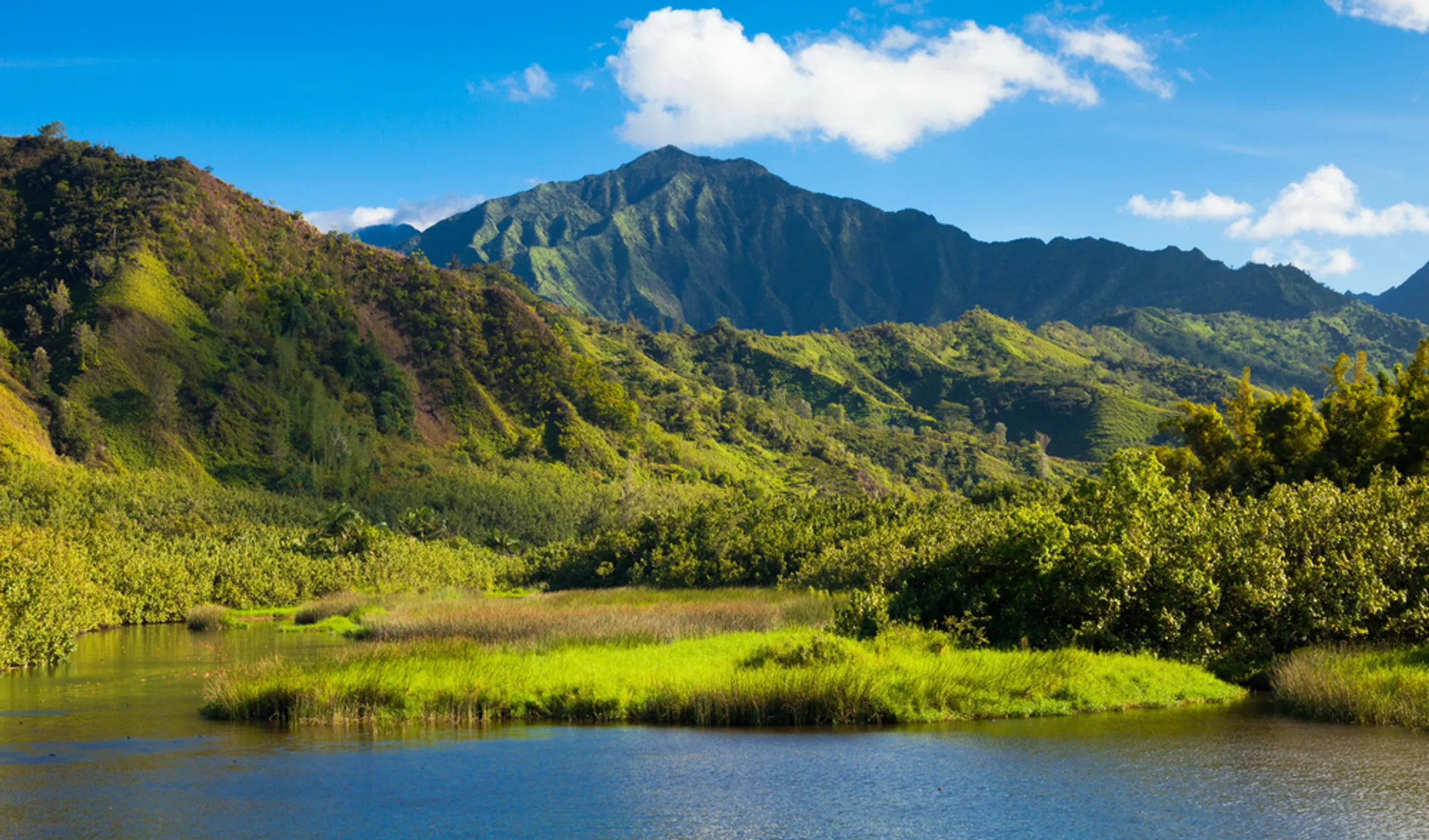
Hawaiian Engineering Genius
Ancient aquaculture mastery that sustained communities for centuries

Written by a Local Expert
Kalani MillerHawaiian Engineering Genius: How Alekoko Really Works
Beyond the captivating legend lies a story of scientific brilliance. Alekoko Fishpond represents one of the world's most advanced ancient aquaculture systems. These weren't just ponds—they were living classrooms and symbols of wealth that embodied the Hawaiian value of mālama i ka ʻāina, caring for the land from mountain to sea.
Alekoko at a Glance
Hawaiian Name: ʻAlekoko (or Alakoko)
Common Name: Menehune Fishpond
Location: Līhuʻe, Kauai (on the Hulēʻia River)
Type: Loko Kuapā (walled coastal pond)
Scientific Age: About 600 years (around 1390-1450 AD)
Legendary Age: About 1,000 years
Wall Length: 900-2,700 feet
Current Steward: Mālama Hulēʻia
Ancient Aquaculture Mastery
Ancient Hawaiians developed several types of loko iʻa, each adapted to its environment. These included loko puʻuone (ponds separated from the sea by sandbars) and loko iʻa kalo (taro patches integrated with fish farming).
Alekoko is a magnificent example of a loko kuapā, created by building a massive wall across a natural river bend. This system shows sophisticated understanding of water flow, biology, and ecology. It allowed sustainable fish cultivation to feed large populations.
The Science Behind the Magic
The brilliance of loko iʻa lies in working with natural cycles—tides and fish life patterns—to create a self-stocking, self-fertilizing food source. This was ecological engineering far more advanced than simple fish trapping.
The Kuapā (Wall)
Scientific analysis, including core sampling and carbon dating by anthropologist David Burney, places the wall's construction around 1420 AD. This makes it incredibly ancient, even if not quite the 1,000 years claimed in legend.
The wall itself is unique. It consists of an earthen core armored on the river side with carefully placed, unmortared basalt boulders. This construction was strong enough to resist the river's current while staying permeable. The length varies from 900 to 2,700 feet in different sources, likely due to the difficulty of measuring a structure that blends into the landscape and has been modified over centuries.
The Mākāhā (Sluice Gate)
This is the technological heart of the fishpond. The mākāhā embodies the principle of working with nature rather than against it.
Built into the wall, the mākāhā is a channel with a wooden grate, often made from strong ʻōhiʻa or lama wood. The slats were spaced precisely—about half an inch apart—to achieve multiple goals at once.
First, they allowed water to flow with the tides, bringing oxygen into the pond and flushing out waste. This prevented stagnation and kept the ecosystem healthy.
Second, the current created by tidal exchange attracted fish. Young, small fish naturally seeking nutrient-rich, protected estuary waters could swim through the slats into the pond.
🌊 Water Flow Management
Tidal exchange through the mākāhā brought fresh oxygen and nutrients while flushing waste, maintaining a healthy ecosystem naturally.
🐟 Self-Stocking System
Young fish swam in through the slats, grew too large to escape, creating a reliable food source without manual stocking.
🌿 Natural Fertilization
The pond was designed to grow algae and plankton naturally, providing abundant food for plant-eating fish like ʻamaʻama and awa.
🎣 Easy Harvesting
Nets placed at the mākāhā during outgoing tides easily caught mature fish trying to return to sea to spawn.
A Managed Ecosystem
Once inside, fish found ideal conditions. The pond was designed to grow algae and plankton, the main food for plant-eating fish like ʻamaʻama (striped mullet) and awa (milkfish).
As fish fed and grew, they became too large to swim back through the mākāhā slats, effectively trapping themselves. This created a reliable, self-stocking supply of fresh fish, primarily reserved for the aliʻi.
When harvest time came, nets could be placed on the pond side of the mākāhā during outgoing tides, easily catching mature fish as they tried to swim out to sea to spawn.
This was ecological engineering far ahead of its time. The ancient Hawaiians created a system that worked with nature's rhythms, not against them, producing food sustainably for centuries.
🔧 Technical Details
- Wall Type: Kuapā
- Material: Basalt boulders
- Construction: ~1420 AD
- Gate Type: Mākāhā
- Slat Spacing: ~0.5 inches
🐠 Primary Fish
- ʻAmaʻama (Striped mullet)
- Awa (Milkfish)
- Various reef fish