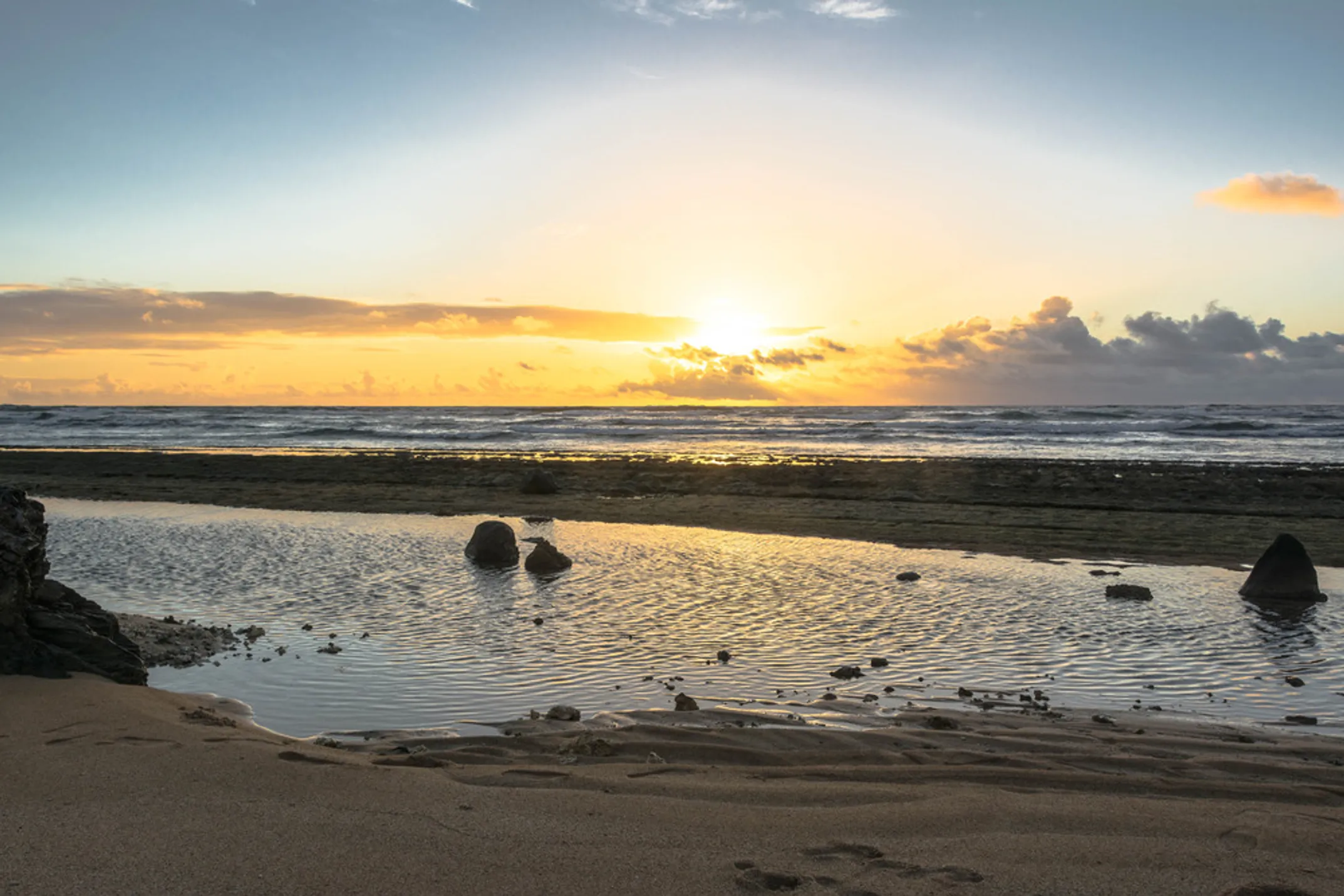
Beyond the Airport: 21 Unforgettable Things to Do in Lihue, Kauai
Discover the true heart of the Garden Isle—where history, culture, and adventure meet
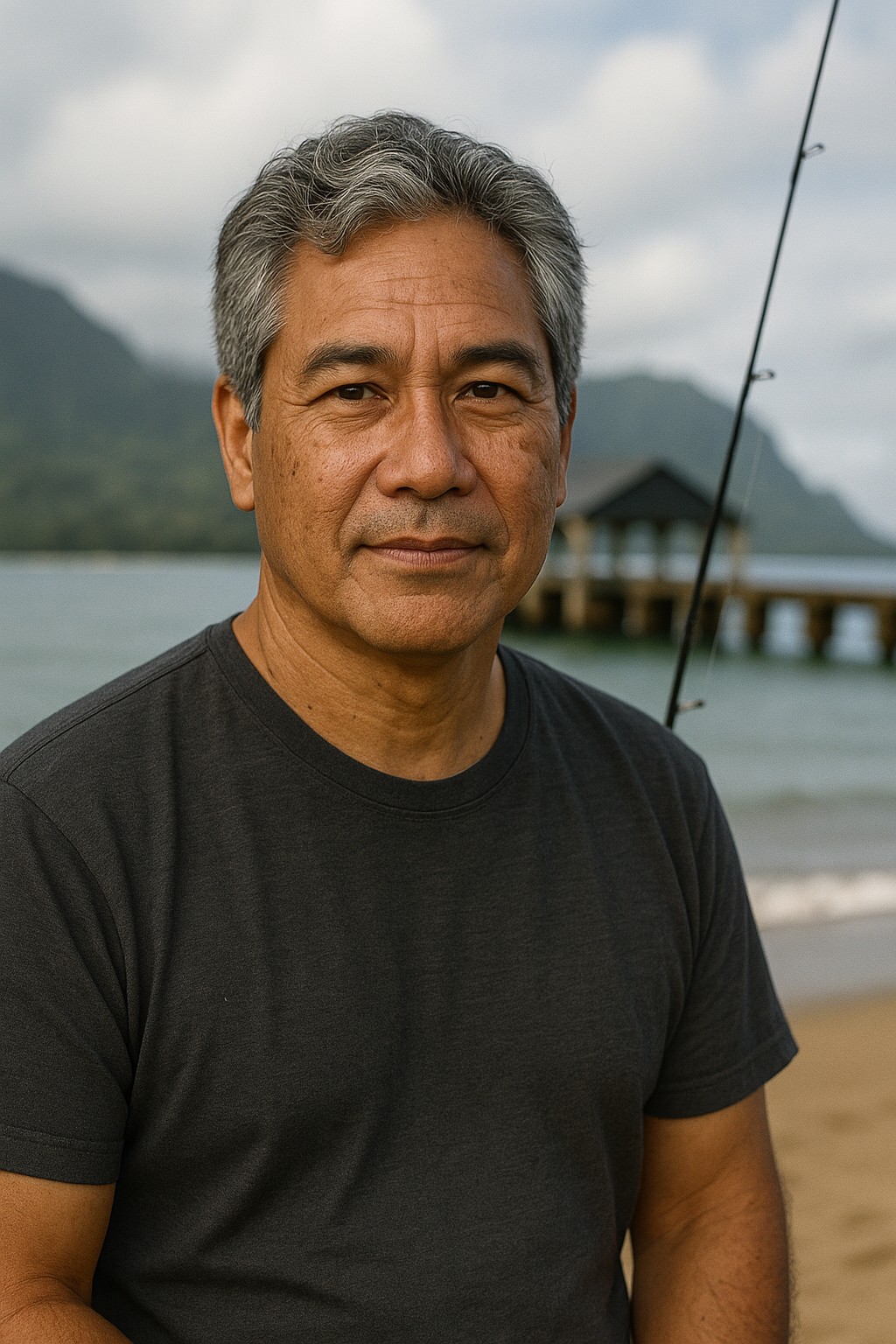
Written by a Local Expert
Kalani MillerThe Heart of Kauai You're Missing
Aloha and welcome to my home, Lihue. I see it every day—visitors land at Lihue Airport, grab their bags, and race off to Poipu or Hanalei. I get it. The allure of the North and South shores is strong. But in their rush, they're missing the true heart of Kauai. They're driving right past the stories, the flavors, and the secrets that make our island so much more than just a pretty picture.
Lihue isn't just a place you pass through. It's the perfect basecamp for your entire island adventure. It's our island's government and commercial center, yes, but it's also a town brimming with rich history, incredible food, and hidden gems that most tourists never see. Most visitors treat Lihue like an airport lobby, but they miss out on some of my favorite spots—the places that hold the real soul of the Garden Isle.
So let me show you the Lihue that I know and love. I'll share its secrets, from its ancient past to its modern pulse. I'll take you from the legendary fishponds of mythical Menehune to the best plate lunch you'll ever eat, served from a humble spot in an industrial park. I promise, by the end of this, you'll see why making Lihue your home base is the smartest and most authentic decision you can make for your Kauai vacation.
The Heart of Kauai: Lihue's Rich History
To truly know Kauai, you have to understand Lihue. Its story is the story of our island's transformation—a tale of kings, sugar barons, and community builders. This is where the modern Garden Isle was forged, and you can still feel that history in its streets and historic buildings.
From 'Cold Chill' to Royal Seat - The Ancient Roots of Lihue
Long before it was the island's capital, this area was a minor village known by a different name: Kalaiamea, which means the "calm reddish brown place." The name we use today, Lihue, which translates to "cold chill," was entirely unknown on Kauai back then. It was a name that belonged to another place, on another island.
That all changed in 1837. In a move that would shape Kauai's future, the Royal Governor Kaikioewa decided to relocate his governing seat from the traditional capital of Waimea on the west side. He chose these hilly lands overlooking Nawiliwili Bay for his new home and named the area Lihue in memory of his own beloved estate on Oahu. With that single act, the center of power on Kauai shifted, and by 1880, Lihue was considered the most important town on the island.
But the history of this land goes back much further, into the realm of legend. Just a short distance from the harbor lies the Alekoko Fishpond, a stunning example of ancient Hawaiian aquaculture dating back about 1,000 years. The pond is enclosed by a massive 900-foot-long stone wall, a true engineering marvel. According to legend, this wall wasn't built by ordinary men. It was constructed in a single night by the Menehune, a mythical race of small, industrious people said to be the first inhabitants of Kauai. They are our island's little people, and their stories are woven into the landscape here.
The Rise of a Sugar Kingdom
The next great transformation of Lihue came with the arrival of a new kind of power: sugar. Most people don't know this, but our sugar history has distinctly German roots. In 1849, German colonists founded the Lihue Sugar Plantation, which quickly became the economic engine of the entire island. The impact of this specific cultural influence is still visible today. In 1883, these German settlers built a Lutheran church that features a unique and beautiful fusion of classical New England and Bavarian Baroque architecture—a testament to the diverse cultures that were beginning to shape modern Hawaii.
At the center of this sugar empire was one family whose legacy extends far beyond the cane fields: the Wilcox family. Their story isn't the typical tale of sugar barons focused only on profit. It's a narrative of innovation, philanthropy, and public good that built the foundations of the Lihue we know today. George N. Wilcox founded the historic Grove Farm in 1864, turning it into a model of agricultural innovation.
But it was his nieces who truly cemented the family's legacy. Miss Mabel Wilcox dedicated her life to advancing public health on the island, while her sister, Miss Elsie Wilcox, became a fierce advocate for education for all. Elsie's impact was monumental. In 1932, she became the first woman ever to be elected to the Territorial Senate of Hawaii—a groundbreaking achievement. The family's commitment to the community is immortalized in the heart of town. The beautiful building that now houses the Kauai Museum was originally the Albert Spencer Wilcox Memorial Library, built in 1924 as a gift to the people of Kauai. This direct connection between the family's wealth, generated from sugar, and their investment in the island's culture, health, and political progress is a powerful part of Lihue's story.
Forging the Modern Hub of the Garden Isle
With its status as the center of government and commerce firmly established, Lihue grew rapidly in the 20th century. In 1905, it was officially designated the county seat of Kauai. This led to a wave of development that defined the town's modern landscape. In 1913, the imposing, concrete Kauai County Building was erected—the very first structure built specifically to house a county government in the entire territory of Hawaii.
The 1920s and 1930s were a boom time for infrastructure. The main belt road connecting the island's towns was paved, the deepwater Nawiliwili Harbor was completed in 1930, and Lihue Airport was established, with regular flights beginning in 1929. These projects solidified Lihue's role as the island's logistical and transportation hub.
As the 20th century wore on, the sugar industry began a slow decline. The Lihue Mill, the heart of the plantation for a century and a half, finally closed its doors in 2000 after 151 years of continuous operation. But this ending marked a new beginning. Lihue transitioned into its modern identity, with tourism and commerce taking over as the primary economic drivers. Historic sites like the Grove Farm Homestead were carefully preserved, not as relics of the past, but as living museums to share the island's incredible story with new generations.
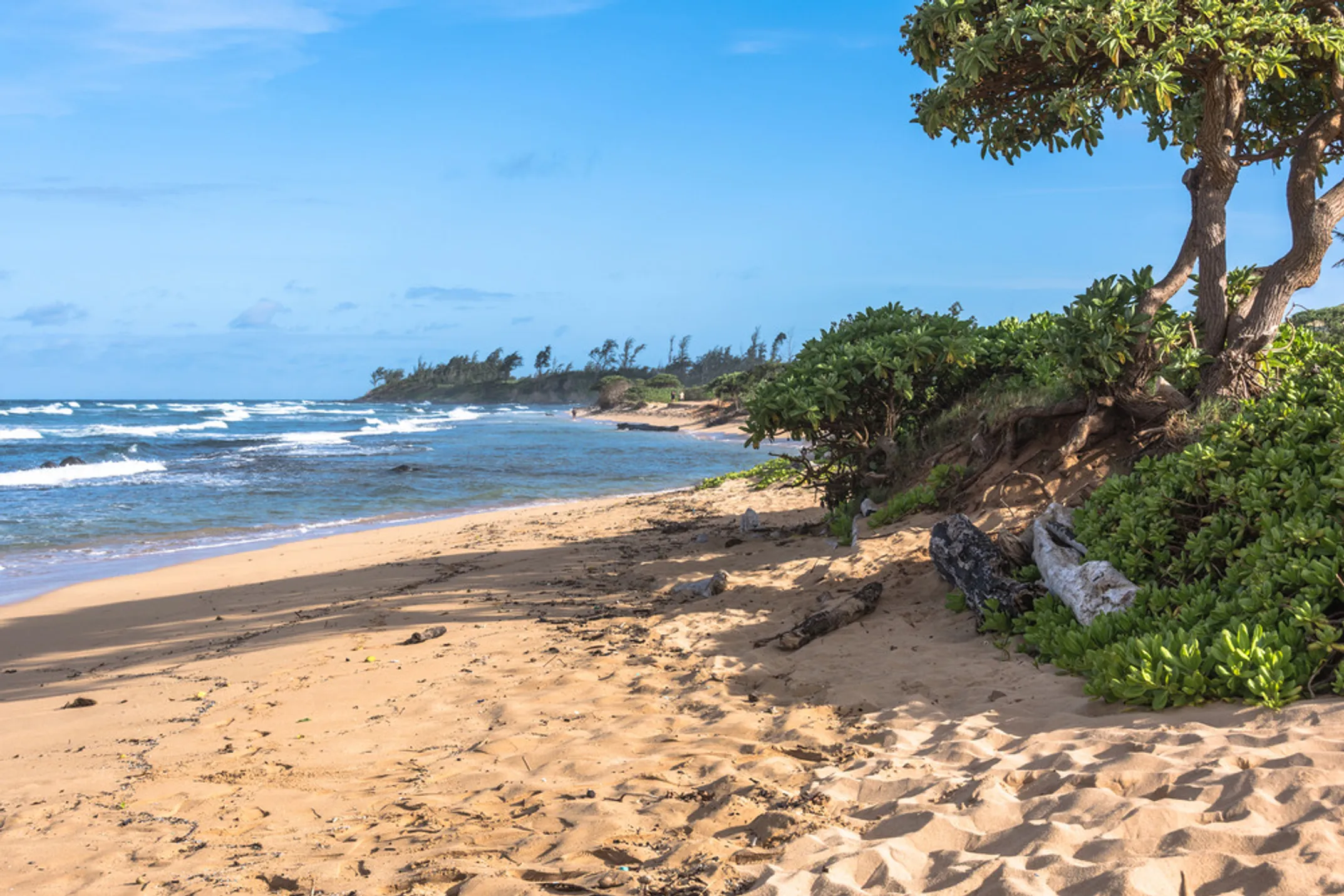
Explore Everything Lihue Has to Offer
From beach adventures and cultural sites to the best local food and hidden gems—discover all 21 unforgettable experiences.
ℹ️ Quick Info
- Location: East Kauai
- Population: ~7,000
- Airport: LIH (Lihue)
- Best For: Central base
- Vibe: Authentic local
📖 Lihue Guide
⭐ Why Choose Lihue
- Central island location
- Near the airport
- Rich local culture
- Authentic food scene
- Less touristy vibe
- Better value lodging