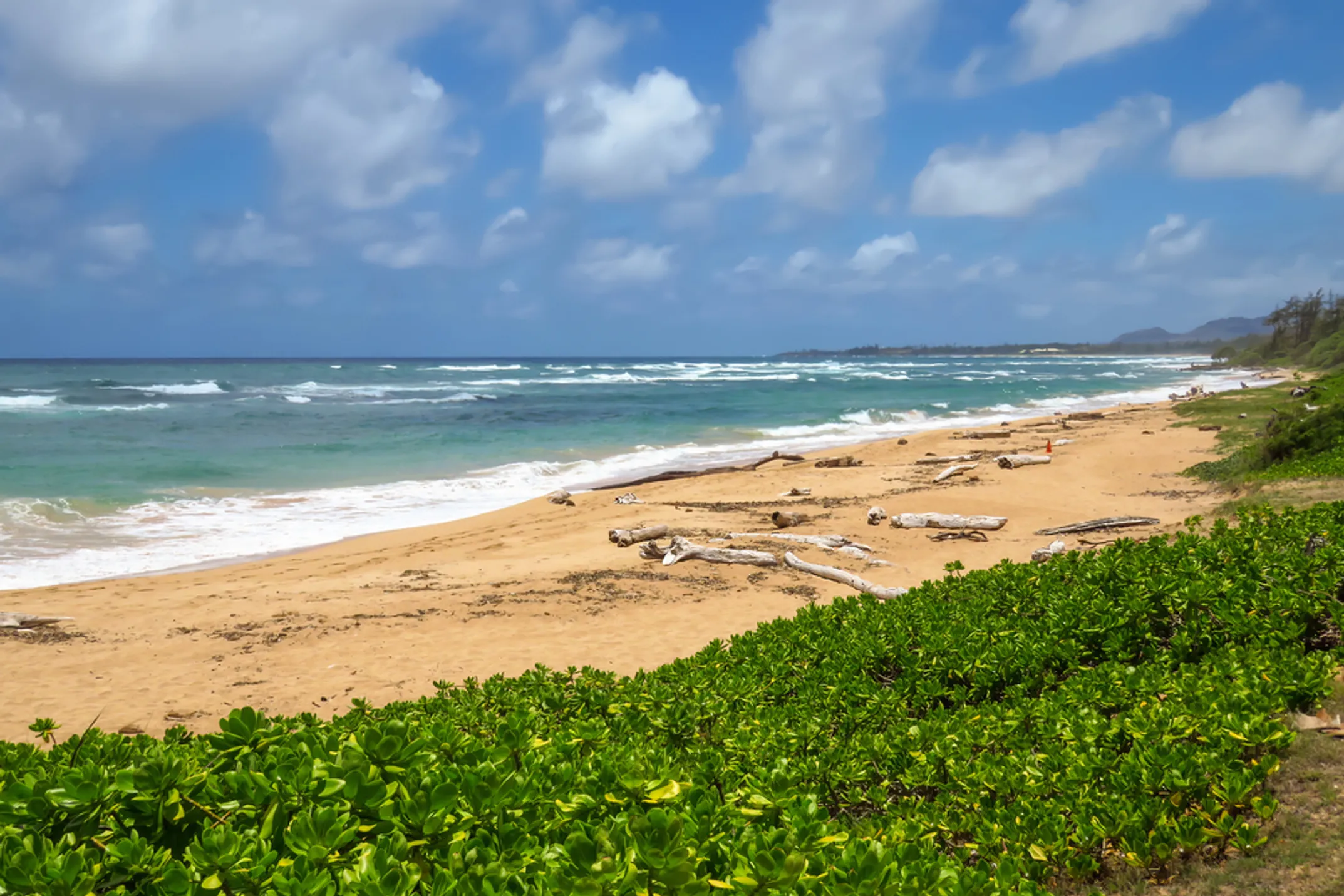
Snorkeling Lydgate's "Aquarium"
A Beginner's Underwater Paradise
Written by a Kauai Local Expert
Kalani MillerSnorkeling Lydgate's "Aquarium": A Beginner's Underwater Paradise
For anyone who has ever wanted to try snorkeling but felt intimidated by the open ocean, Lydgate is the answer. The ponds create a perfect learning environment. A natural aquarium where the wonders of the reef come to you in a safe, controlled setting.
The key factors that make it ideal for beginners are the calm, wave-free water and the sandy bottom. There's no sharp coral to worry about, which removes a common fear for first-timers. While the water is generally clear, it can sometimes have a blue-green tint from the river mouth nearby. But visibility is almost always good enough to see plenty of fish, even from above the surface. Before you even get your feet wet, look for the helpful fish identification sign near the park entrance. It's a great tool for families to learn the names of the creatures they're about to meet.
The ponds also change throughout the day in ways that first-time visitors don't expect. Early morning often brings the clearest water and the most active fish. By midday, when the sun is high, the ponds warm up and become perfect for young children. Late afternoon brings a golden light that makes photography incredible.
One thing I always tell visiting families is to bring a simple fish identification card or download a Hawaiian fish app on your phone. The keiki love being able to name the fish they see. My own children started keeping a "fish journal" when they were young, drawing pictures of the different species they spotted. It turned our beach days into nature education, and they still remember those fish names years later.
Lydgate Ponds Fish Identification
Competitor sites often just say you'll see "tropical fish." I want you to know exactly what you're looking for. Here are some of the colorful residents you're almost guaranteed to meet in the main pond.
🐠 Blue Tang
The vibrant blue "Dory" fish from Finding Nemo - a flash of brilliant ocean blue against the sandy bottom.
🌟 Yellow Tang
A flash of brilliant yellow, a classic Hawaiian reef fish that seems to glow in the sunlight.
🦓 Sergeant Major (Kikākapu)
Black and white striped fish, often seen in schools swimming near the rock walls.
🐟 Convict Tang (Manini)
White with thin, black vertical stripes, like a prison uniform - common in shallow waters.
🎭 Raccoon Butterflyfish (Kīkākapu)
A distinctive black "mask" over its eyes, with a yellow and black body - looks like a tiny masked bandit.
🌈 Saddle Wrasse (Hīnālea Lauwili)
A colorful fish, often green and blue with a bright orange "saddle" behind its head.
🎈 Pufferfish
Can inflate its body into a spiky ball when it feels threatened - fascinating to watch but don't touch!
👨🦰 Goatfish
Look for the two distinctive barbels (whiskers) under their chin, which they use to dig for food in the sand.
You might also spot other fascinating creatures. Needlefish with their long, pointy beaks often skim the surface. If you look closely in the rock crevices, you may see a shy eel peeking out. On lucky days, a honu (Hawaiian Green Sea Turtle) might even wander in for a visit.
Expert Snorkeling Tips for Lydgate
I always advise visitors to not just swim around the middle of the pond. The real show is along the rock walls. Go slowly, look into the crevices. That's where the shy fish hide. The fish get in and out through these gaps in the wall, so it's like watching a busy highway of marine life.
The rock walls themselves tell a story. When you swim up close, you can see how the coral has started to grow on the man-made structure. Over the nearly 60 years since construction, these walls have become a living reef. Small corals, algae, and sea anemones have made homes in the cracks between the boulders. This creates perfect hiding spots for juvenile fish and the smaller creatures that the bigger fish like to eat.
I've spent countless hours exploring these walls with my kids, and we've discovered that different sections host different types of marine life. The wall closest to the river mouth often has more varied fish because of the nutrients flowing from the Wailua River. The ocean-side wall tends to have clearer water and is where you're most likely to spot a turtle if one decides to visit.
The most exciting discoveries happen in the deeper crevices of the main pond. I've seen eels, octopus, and even small rays hiding in these spaces. The key is patience and moving slowly. The marine life here isn't afraid of humans because they've been protected for so long, but sudden movements will send them back into hiding.
For families with very young children, I recommend starting your snorkel adventure right at the edge where the keiki pond meets the main pond. The water is still shallow enough for little ones to stand up if they get nervous, but deep enough to see plenty of fish. This transition zone is also where many of the more colorful fish like to hang out, perhaps because it offers easy escape routes to both deeper and shallower water.
Safety Note
It's also important to understand why these ponds are such a treasure. Some locals will tell you that sharks are common in the open waters off Lydgate Beach. This shouldn't be a cause for alarm, but for appreciation. The open ocean is a wild environment, and sharks are a natural part of that ecosystem. The genius of Morgan's Ponds is that they provide a completely safe, enclosed sanctuary. You can experience the beauty of the smaller, colorful reef fish without any of the risks of the open ocean. They are a gift of safety in a wild place.
💡 Snorkeling Tips
- Best Time: Early AM
- Visibility: 20-40 feet
- Difficulty: Beginner
- Best Spot: Along walls
📖 Lydgate Guide
🤿 Snorkel Gear
- Mask & snorkel
- Fins (optional)
- Reef-safe sunscreen
- Fish ID card
- Waterproof camera