
Culture, Food & Etiquette
Living Aloha - Embracing Hawaiian Culture
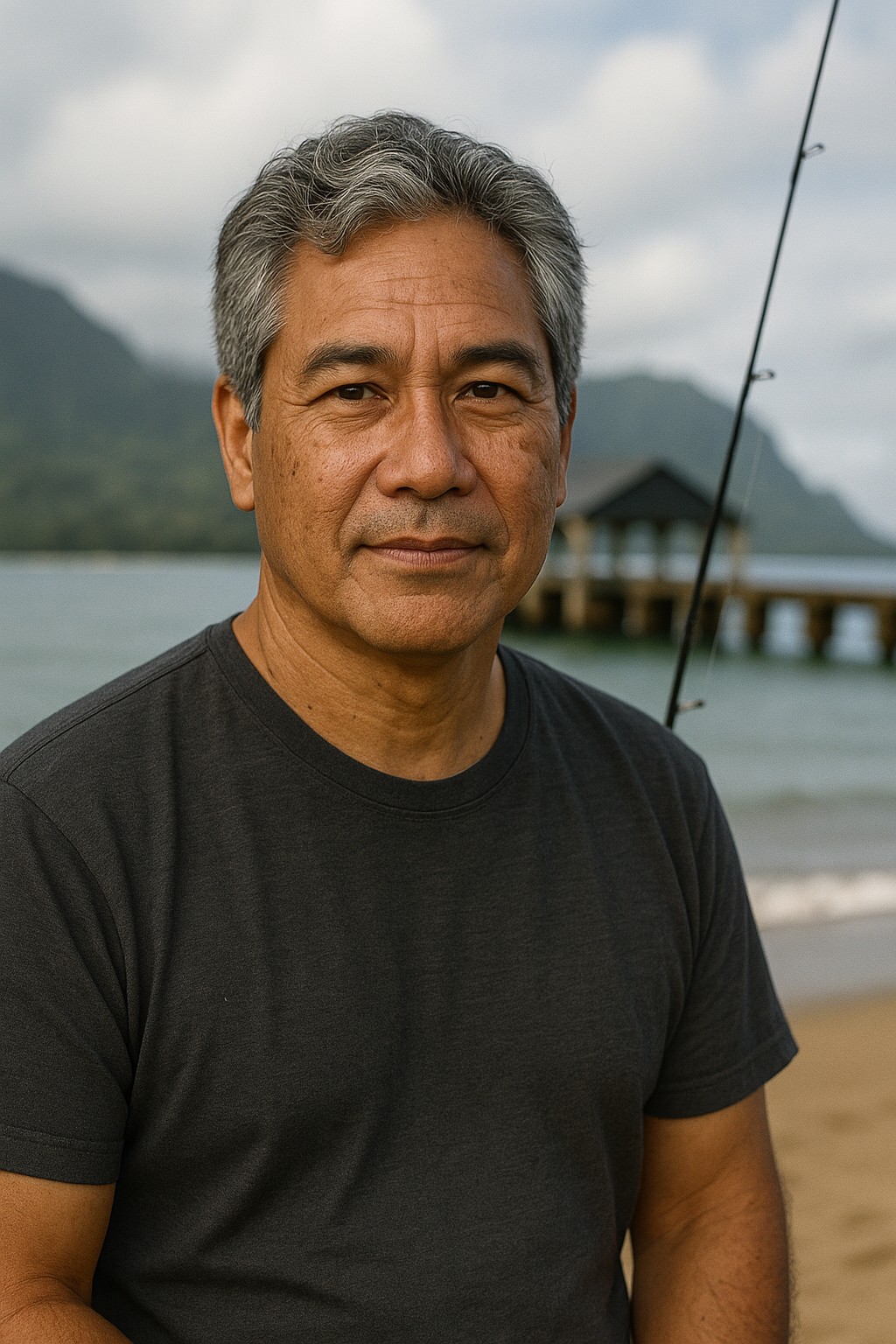
Written by a Local Expert
Kalani MillerTo truly experience Hawaiʻi, you have to look beyond the beaches and volcanoes. Understanding our culture, tasting our local food, and embracing the spirit of aloha will transform your trip from a simple vacation into a meaningful journey.
What local foods do I absolutely have to try?
Forget the hotel buffet! To really taste the island, you need to try the local "grinds." From fresh poke at a fish market to hot malasadas from a food truck, this is the food I grew up on. Here are my must-try favorites.
🐟 Poke
This is the quintessential Hawaiian dish. Pronounced "po-kay," it means "to slice or cut" and consists of diced raw fish, usually ahi (tuna), tossed with various sauces and ingredients. For the freshest and most authentic poke, skip the supermarket and go to a dedicated fish market. My top recommendations are Umekes Fishmarket Bar and Grill in Kona and the legendary Suisan Fish Market in Hilo.
🍱 Plate Lunch
The heart and soul of local food. The classic formula is two scoops of white rice, one scoop of creamy macaroni salad, and a main protein. Popular choices include chicken katsu (breaded fried chicken cutlet), kalua pig (slow-roasted shredded pork), or teriyaki beef. For enormous, authentic portions, you have to go to Hawaiian Style Café, with locations in both Hilo and Waimea.
🍩 Malasadas
These are a gift from our Portuguese community. They're light, airy yeast doughnuts without a hole, deep-fried to golden perfection and rolled in sugar. For a classic experience, you must stop at Tex Drive In in Honokaʻa on your way along the Hāmākua Coast. Also, keep an eye out for the Manuela Malasada Company food trucks in Waimea.
🧊 Shave Ice
This is not a snow cone! Real Hawaiian shave ice is made from a block of ice that is shaved into a fine, fluffy texture that absorbs the syrup perfectly. It's the ultimate treat on a hot Kona day.
🍙 Spam Musubi
Don't knock it 'til you try it! Hawaiʻi has the highest per-capita Spam consumption in the U.S. A musubi is a slice of grilled, teriyaki-glazed Spam on a block of rice, all wrapped up in nori (seaweed). It's the perfect, portable snack for the beach, and you can find it at almost any convenience store or local lunch shop.
☕ Kona Coffee
Our coffee is world-famous for a reason. It's grown in a very specific region on the slopes of Hualālai and Mauna Loa, and the volcanic soil gives it a rich, smooth flavor. Visiting a Kona coffee farm for a tour and tasting is a fantastic way to spend a morning.
🥭 Farmers Markets
This is the best way to taste the island's bounty. You'll find fresh tropical fruits you may have never seen before, locally made jams and honey, baked goods, and a chance to talk story with the people who grow and make the food. The Hilo Farmers Market is one of the biggest and best in the state, and the Keauhou Farmers Market on Saturdays is a great option on the Kona side.
How does tipping work in Hawaiʻi?
Tipping here is just like on the mainland, but with our high cost of living, it's especially appreciated by those in the service industry. A good tip is a simple way to share some aloha and say "mahalo" (thank you) for great service.
🍽️ Restaurants & Tour Guides
15-20% of the bill
🍸 Bartenders
$1-$2 per drink, or 15-20% of the total tab
🏨 Hotel Housekeeping
$2-$5 per day, left daily as staff can change
🛎️ Bellhops & Valet
$2-$5 when they assist you with your bags or bring your car
It's always a good idea to carry some small cash bills for tipping hotel staff, as it ensures the person who provided the service receives it directly.
How should I behave when visiting a sacred site like a heiau or Puʻuhonua o Hōnaunau?
These places, our wahi pana (sacred places), hold deep spiritual meaning for us. They are not just tourist attractions or ruins; they are living cultural sites where our ancestors lived, prayed, and were laid to rest. Please visit with an attitude of respect and humility, or as we say, haʻahaʻa.
🙏 Ask Permission
Before you enter, take a quiet moment. Silently ask permission of the spirits of the place, introduce yourself, state your peaceful intentions, and give thanks for the privilege of being there.
⛪ Behave as if in a Church
Speak softly or, even better, maintain silence. Move slowly and deliberately. Avoid loud, aggressive, or boisterous behavior.
🚫 Do Not Touch or Climb
This is the most important rule. Never climb on, sit on, or move any rocks or structures. What may look like a "pile of stones" could be an altar or a burial site. Stay on marked paths.
🍃 Leave No Trace
Do not leave any offerings (unless you are part of a formal ceremony, as they can become litter). And absolutely do not take anything with you—not a single rock, piece of coral, or grain of sand. Respect the ʻāina (land) and leave it as you found it.
👕 Dress Modestly
It's respectful to be covered up when visiting these important sites. There is a famous legend of Pele's curse, which brings bad luck to anyone who takes lava rocks from the island.
What are the meanings of "Aloha" and "Mahalo," and what is proper lei etiquette?
You'll hear "Aloha" and "Mahalo" everywhere you go. They mean more than just "hello" and "thank you." They are part of the "Aloha Spirit," a way of life based on love, respect, and compassion that is the foundation of our culture here.
🌺 Aloha
While it's commonly used as a greeting for "hello" and "goodbye," its deeper meaning is profound. It signifies love, affection, peace, and compassion. It's the life force that connects us all.
🙏 Mahalo
This simply means "thank you." You'll see it on trash cans, which is a polite way of saying "thank you for throwing away your trash."
🌸 Lei Etiquette
If someone offers you a beautiful flower lei, it is a symbol of that aloha spirit. It's a gesture of welcome, love, and honor.
✅ Do:
- • Always accept a lei - it's an honor
- • Drape it over your shoulders evenly
- • Keep it on in the giver's presence
- • Return it to nature when disposing
❌ Don't:
- • Refuse a lei - it's very rude
- • Remove it in front of the giver
- • Throw it in the trash
- • Give closed lei to pregnant women
🤰 Special Rule for Pregnant Women
A closed lei is thought to symbolize the umbilical cord wrapping around a baby's neck and is considered bad luck. A pregnant woman should only be given an open-ended lei. This is a specific cultural detail that shows deep respect when followed.
📋 Big Island FAQ Guide
🍽️ Must-Try Foods
- Poke (raw fish)
- Plate lunch
- Malasadas (donuts)
- Spam musubi
- Shave ice
- Kona coffee
🙏 Respect Guidelines
- Always accept a lei when offered
- Stay on marked paths at sacred sites
- Never take lava rocks or coral
- Speak softly at sacred places
📖 Continue Reading
Want to explore beyond the Big Island? Learn about island hopping and extending your Hawaiian adventure.
Island Hopping →