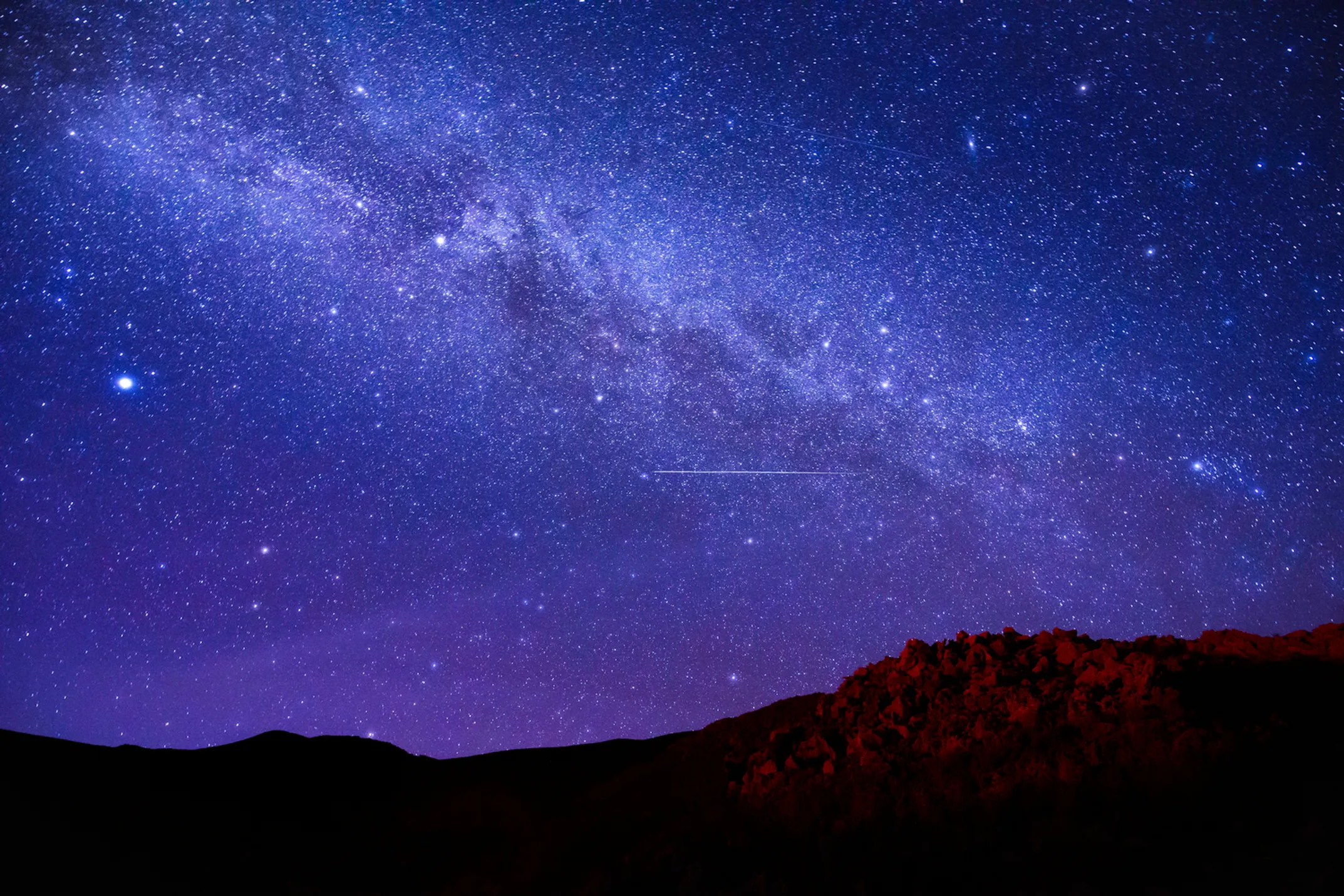
Your Stargazing Toolkit
A Practical Resource for Capturing and Enjoying the Hawaiian Night Sky

Written by a Local Expert
Kalani MillerAstrophotography for Everyone: Capturing the Cosmos
Having the right gear and knowledge can transform a good night of stargazing into an unforgettable one. Here's a breakdown of everything you need, from taking photos to staying warm.
You don't need to be a professional photographer to capture the beauty of the Hawaiian night sky. With today's technology, both smartphones and DSLRs are capable of taking incredible images.
Smartphone Astrophotography
It's amazing what our phones can do now. To get the best results, you'll need a few things: a tripod to hold your phone perfectly still, and a way to trigger the shutter without touching the screen. The self-timer function or the volume buttons on your headphones work great. You'll also want to download an app like NightCap Pro (for iPhone) or Camera FV-5 (for Android) that gives you manual control over the camera settings.
Basic Smartphone Settings
- Mode: Switch to Manual or Pro Mode. Turn OFF flash and HDR settings.
- ISO: Controls light sensitivity. Start with 1600-3200.
- Shutter Speed: How long camera lets light in. Try 15-30 seconds.
- Focus: Switch to manual focus. Adjust until distant bright star looks sharp.
- Format: Shoot in RAW format if available for better editing flexibility.
DSLR Astrophotography
For those with a DSLR or mirrorless camera, the principles are the same, but you have more control.
📷 Essential Gear
- • Sturdy tripod (non-negotiable)
- • Remote shutter release
- • Red headlamp
- • Extra batteries
- • Lens cleaning kit
🔍 Best Lens
- • "Fast" lens: f/2.8 or lower
- • "Wide" lens: 14-24mm
- • Captures large sky sections
- • Lets in maximum light
The Critical Focusing Step
This is the most critical step. Switch your lens to manual focus. Turn on your camera's "Live View" mode. Find the brightest star you can, and use the digital zoom on your screen to magnify it. Now, carefully turn the focus ring on your lens back and forth until that star is as small and sharp as possible. Once you have it, don't touch it again!
The "500 Rule"
To avoid getting "star trails" (streaks caused by Earth's rotation), use this formula:
Divide 500 by your lens's focal length. The result is the maximum seconds you can leave your shutter open before stars start to blur.
Example: With a 20mm lens, maximum shutter speed = 25 seconds (500÷20=25)
📱 Recommended Apps
- iPhone: NightCap Pro
- Android: Camera FV-5
- Star Maps: SkyView
- Planning: PhotoPills
- Education: Star Walk
⚙️ Quick Settings
- ISO 1600-3200
- Shutter 15-30 sec
- Aperture f/2.8 or lower
- Focus Manual/Infinity
📖 Complete Guide
The Essential Packing Checklist
Dressing appropriately, especially for Maunakea, is the difference between an incredible experience and a miserable, dangerously cold one.
Clothing (For Maunakea)
Think arctic conditions. Temperatures are regularly below freezing (32°F / 0°C) and the wind chill can be brutal.
Essential Clothing
- Multiple warm layers (thermal underwear, fleece)
- Insulated, windproof outer jacket
- Warm hat covering ears
- Gloves or mittens
- Thick, warm socks
- Sturdy, closed-toe shoes or boots
Essential Gear
- Red-light flashlight (preserves night vision)
- Binoculars for detailed star cluster views
- Stargazing apps (SkyView, PhotoPills)
- Portable power bank (cold drains batteries)
- Camera tripod for steady shots
Comfort & Sustenance
Comfort Items
- Folding chairs or thick blanket
- Cushions for extended sitting
- Hand/foot warmers
Food & Drink
- Thermos with hot beverages
- High-energy snacks
- Plenty of water (aids altitude acclimatization)
Pro Tips for Success
- Red light is essential: White light destroys your night vision (and that of everyone around you). Always use red light when stargazing.
- Arrive early: Give your eyes 20-30 minutes to fully adapt to the darkness for optimal viewing.
- Check moon phases: New moon periods offer the darkest skies and best Milky Way visibility.
- Stay hydrated: Proper hydration is one of the best ways to help your body acclimatize to high altitude.