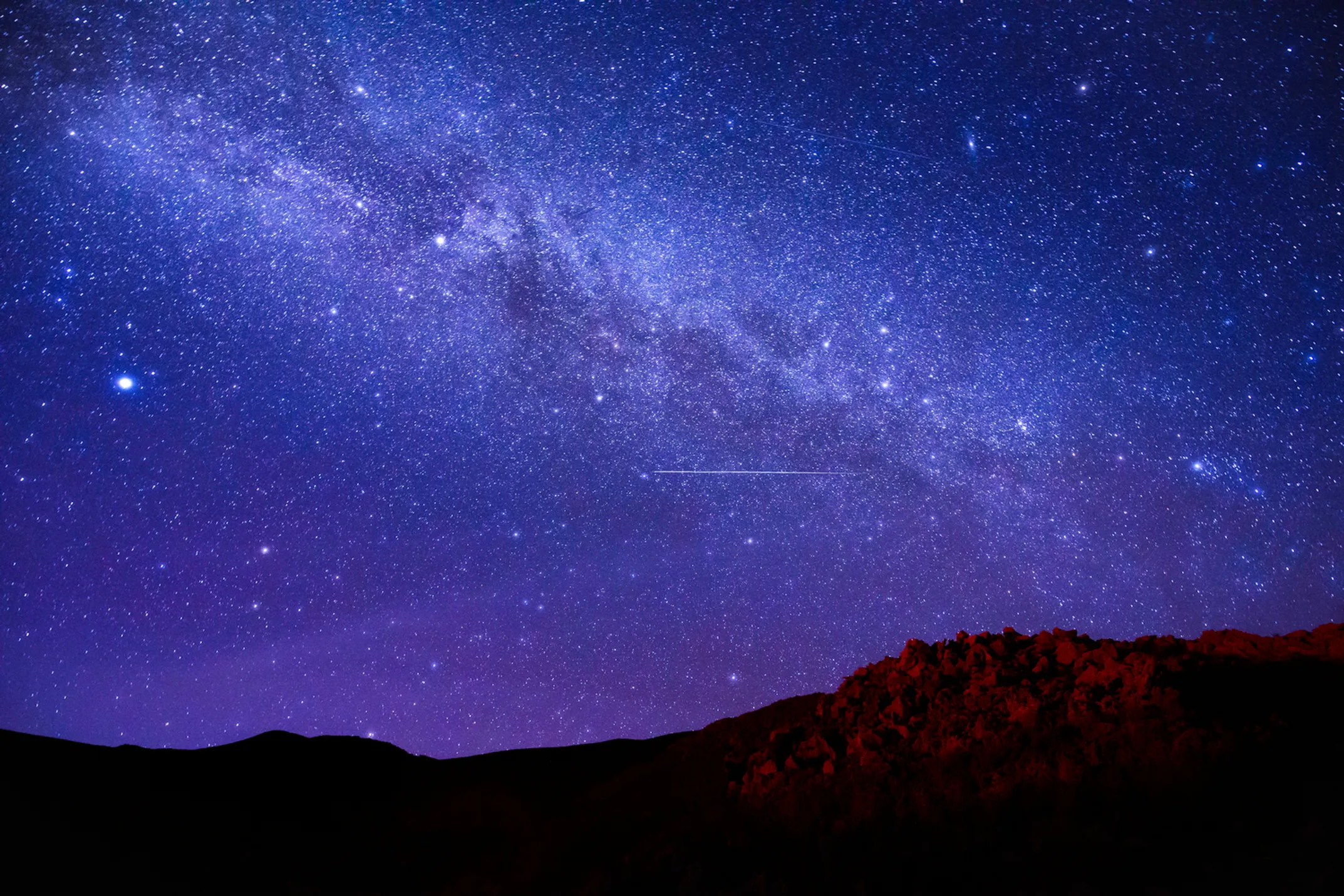
The Maunakea Experience
A Tale of Two Journeys: Tours vs DIY Adventures

Written by a Local Expert
Kalani MillerUnderstanding Your Options
Experiencing the celestial wonders of Maunakea is a highlight for any trip to the Big Island. But how you do it matters. There are two main paths: taking a tour or venturing up on your own. Each offers a very different experience with its own set of rewards and responsibilities.
A critical point that often confuses visitors: "Maunakea Stargazing" doesn't always mean the same thing. The experience can happen at several different altitudes.
🏔️ The Summit (13,803 ft)
Primarily for sunset viewing. Public access ends 30 minutes after sunset. All stargazing happens at lower elevations.
🏢 The VIS Station (9,200 ft)
The main hub for public stargazing. Both for tours and DIY adventurers. Above the clouds with excellent views.
🛣️ The Slopes (6,000-9,000 ft)
Many tours use private spots along the access road or on Saddle Road for a more secluded experience away from VIS crowds.
🏖️ Sea Level
Some accessible tours offer comfortable stargazing from coastal resorts. Perfect for families and those with health concerns.
Understanding this distinction is the first step to choosing the right adventure for you and avoiding disappointment.
Part A: Tours – The Curated Cosmic Journey
From my experience, for 99% of visitors, especially first-timers, I always recommend a tour. The logistics of getting up the mountain are complex. The safety risks from the extreme altitude are very real. A good tour company handles everything. The required 4WD vehicle. The warm parkas that you will absolutely need. The powerful telescopes. The expert knowledge. You can simply relax and be present for one of the most incredible experiences of your life.
A typical summit tour involves an afternoon pickup from your resort area. A stop for a warm picnic-style dinner. An acclimatization period on the mountain's slopes. You'll then proceed to the summit to witness a truly unforgettable sunset from above a sea of clouds. After sunset, you descend to a safer, more comfortable elevation (usually around 9,000 feet) for the main event: a private star show. Your guide will use a high-powered telescope and laser pointer to navigate the cosmos. They'll share stories of both science and culture while you sip on hot chocolate.
Top-Rated Tour Operators
Hawaii Forest & Trail
$260+Best For: Cultural Depth & Eco-Conscious Travelers
Highly knowledgeable interpretive guides focus on culture and geology. A "Giveback Experience" on Wednesdays includes conservation work. Sunset at summit, stargazing at ~9,000 ft with multiple high-end telescopes.
Age limit: 13+
Epic! Tours
$259+Best For: Astrophotography & Flexibility
Shorter 2-hour tours specifically scheduled to avoid bright moonlight for optimal viewing. Professional photos of you with the Milky Way are included. Stargazes on Mauna Kea or Mauna Loa slopes (not summit or VIS) for the best conditions.
Age limit: All Ages
KapohoKine Adventures
$230+Best For: Avoiding High Altitude Risks
Stays on Saddle Road at a comfortable ~6,000-7,000 ft elevation. Avoiding the harshest altitude effects. Uses large Dobsonian telescopes for impressive views. A great family-friendly option.
Age limit: 5+
Stargaze Hawaii
$75+Best For: Accessibility, Families & Comfort
Sea-level stargazing on the Kohala Coast (Westin Hapuna Beach Hotel). A comfortable, 1-hour program with no altitude sickness risk. No freezing temperatures. No long drive. Perfect for all ages and health conditions.
Age limit: All Ages
Mauna Kea Summit Adventures
$260+Best For: The Classic Summit Experience
One of the original, highly-respected summit tour operators. Provides full arctic gear (parkas, gloves). Follows the classic itinerary: sunset at the summit and stargazing at a private location near the VIS.
Age limit: 13+
Arnott's Adventures
$240+Best For: No-Frills Budget Option
A more basic tour that delivers the core experience of a Maunakea sunset and stargazing without the included meal. Guests bring their own snacks and drinks. Making it a slightly more affordable option.
No age limit specified
🎯 Quick Comparison
- Budget Option: Stargaze Hawaii
- Cultural Focus: Forest & Trail
- Photography: Epic! Tours
- Family Friendly: KapohoKine
- Classic Experience: Summit Adventures
✅ Typically Included
- Hotel pickup & drop-off
- Warm parkas & gloves
- High-powered telescopes
- Expert guide narration
- Hot beverages
- Dinner (most tours)
📖 Complete Guide
Part B: The DIY Adventure – For the Prepared Explorer
Let me be very clear: going it alone is a serious undertaking. The mountain is one of the most extreme and dangerous environments in Hawaiʻi. You must have the right vehicle, respect the altitude, and understand the rules. This is not a casual drive.
The Vehicle Requirements
To drive past the Visitor Information Station (VIS) to the summit, a 4-wheel drive vehicle with true low-range gearing (4L) is mandatory. The steep, unpaved gravel road requires it for both the ascent and, more importantly, for a safe descent without overheating your brakes. Be aware that nearly all major rental car companies on the island explicitly prohibit this drive in their contracts. Driving to the summit will void your rental agreement. This means you are fully liable for any damage or rescue costs.
The Drive & Acclimatization
The journey begins on the Daniel K. Inouye Highway (formerly Saddle Road). At mile marker 28, you will turn onto the Maunakea Access Road. The drive up to the Onizuka Center for International Astronomy Visitor Information Station (VIS) at 9,200 feet is paved and can be done in a standard vehicle.
Critical Safety Rule
Once you arrive at the VIS, you must follow the most critical safety rule: stop and acclimatize for at least 30 to 60 minutes. The air at this altitude has significantly less oxygen. Ascending too quickly can lead to severe altitude sickness, which can be life-threatening. Pregnant women, children under 13, and anyone with respiratory or heart conditions should not venture above the VIS.
Stargazing at the VIS
For most DIY adventurers, the VIS is your final destination. It sits above the clouds and offers a spectacular vantage point. The VIS is open daily from 9:00 am to 9:00 pm. Once a month, typically on the third Saturday, the VIS hosts a free Kamaʻāina Stargazing Event. This popular program now requires advance online reservations. They fill up quickly, so be sure to plan ahead.
Summit Rules & Realities
If you have the proper 4WD vehicle and have acclimatized, you can continue to the summit. However, you must understand the rules. The summit road is open to the public from 30 minutes before sunrise until 30 minutes after sunset. After that, it is closed to public traffic. This means you can watch the sunset, but you cannot stay and stargaze from the summit. You must descend back to a lower elevation.
Also, remember that the observatories you see are active research facilities and are strictly off-limits to the public. Before you go, always check the official Maunakea Visitor Information Station website for the latest road conditions. Closures due to weather are common.
DIY Essential Checklist
Vehicle & Safety
- 4WD vehicle with low-range gearing
- Full tank of gas
- Emergency supplies
- Check weather conditions
Clothing & Gear
- Arctic-level clothing
- Red flashlight
- Hot beverages & snacks
- Folding chairs or blanket