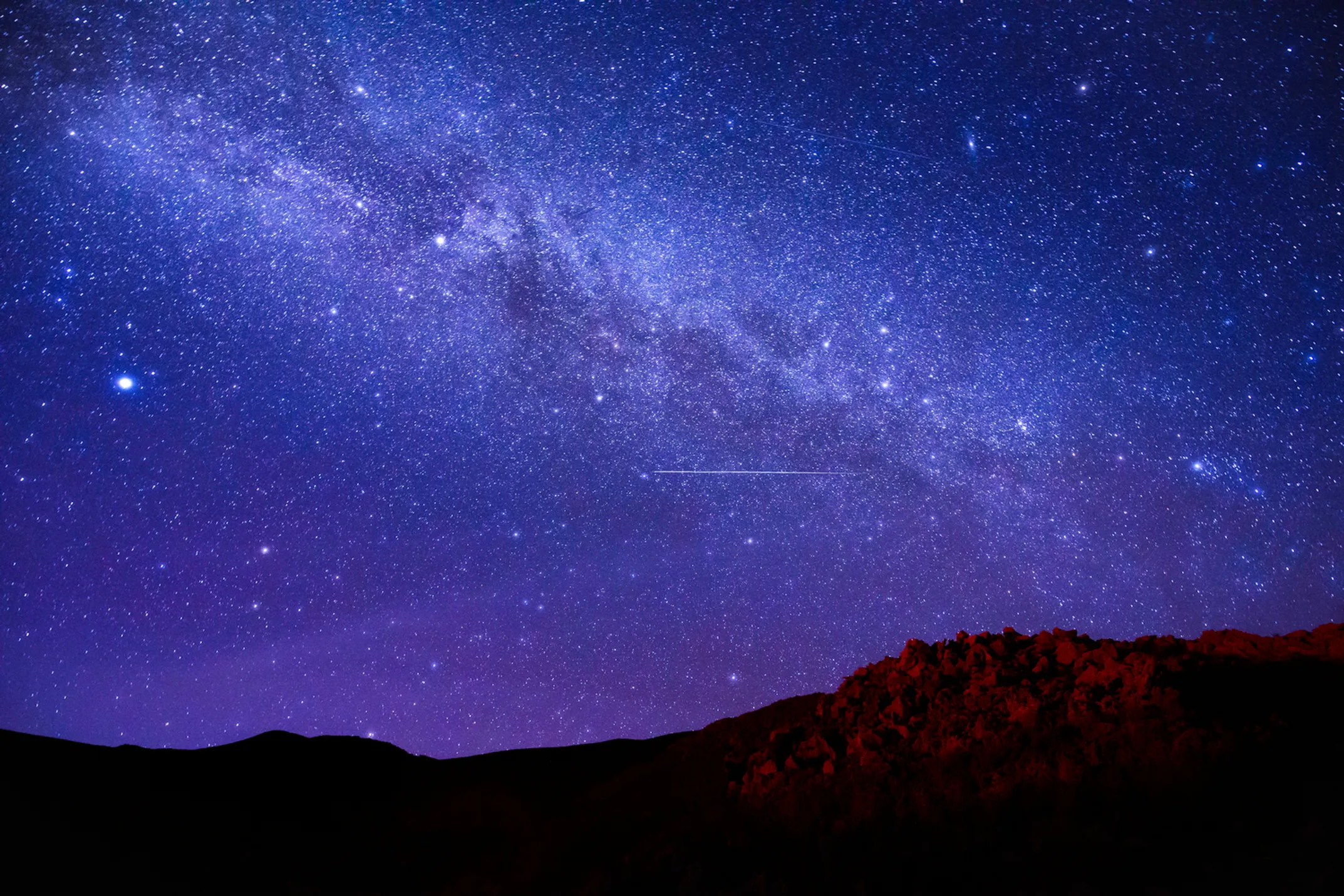
2025 Celestial Calendar
Plan Your Hawaiian Stargazing Adventure Around Nature's Greatest Shows

Written by a Local Expert
Kalani MillerKey Celestial Events for 2025
Planning your trip around a celestial event can make your stargazing experience even more magical. Here are some of the key dates to mark on your calendar for 2025, with all times in Hawaiian Standard Time (HST).
Hawaii's unique location near the equator gives us excellent views of both Northern and Southern hemisphere celestial events, making it one of the world's premier stargazing destinations.
Quadrantids Meteor Shower
An active shower with a peak that can produce 60-200 meteors per hour under ideal conditions. The Quadrantids are known for their bright, colorful meteors and relatively short peak period.
Total Lunar Eclipse ⭐ MAJOR HIGHLIGHT
This is a major highlight! The full moon will pass through Earth's shadow, turning a deep red. The total eclipse will be visible from all Hawaiian Islands from 8:26 PM to 9:31 PM.
Lyrids Meteor Shower
An old, storied meteor shower with a rich history. Though the bright moon in 2025 may wash out some of the fainter meteors, the brighter ones will still provide a beautiful show.
Eta Aquariids Meteor Shower
These meteors are debris from the famous Halley's Comet. The Eta Aquariids are particularly well-suited for Southern Hemisphere viewing, but Hawaii's location provides excellent visibility.
Lāhainā Noon - Unique Hawaiian Phenomenon
This is a unique phenomenon that only occurs in the tropics. It's the moment when the sun is directly overhead, causing vertical objects to cast no shadow. On the Big Island, this happens on May 17/18 in Hilo and May 17 in Kona.
Lāhainā Noon - Second Occurrence
The second Lāhainā Noon of the year occurs on July 23/24 in Hilo and July 24 in Kona. This marks the sun's return journey south after the summer solstice.
Perseids Meteor Shower
One of the most popular and reliable showers of the year, known for bright fireballs. The Perseids are excellent for photography and provide consistent, spectacular displays.
Orionids Meteor Shower
Another shower associated with debris from Halley's Comet. The Orionids are known for their speed and often leave glowing trains in their wake.
Geminids Meteor Shower ⭐ BEST OF THE YEAR
Often the best and most spectacular meteor shower of the year, with a high rate of bright, intensely colored meteors. The Geminids are reliable, long-lasting, and provide excellent viewing opportunities.
🌟 Event Types
- Lunar Eclipse Mar 13
- Meteor Showers 6 major
- Lāhainā Noon May & Jul
- Best Showers Aug & Dec
📅 Best Months
- March Lunar eclipse
- August Perseids peak
- December Geminids best
- Winter Longest nights
💡 Viewing Tips
- Check moon phase for best darkness
- Arrive 30 minutes early for eye adaptation
- Meteors best after midnight
- Eclipses visible with naked eye
- Bring red flashlight
📖 Complete Guide
Planning Your Celestial Adventure
When planning your Hawaiian stargazing adventure, consider timing your visit to coincide with these spectacular celestial events. Each offers a unique experience that will enhance your connection to the cosmos.
For Meteor Showers
- • Best viewing after midnight
- • New moon periods ideal for dark skies
- • Allow 30 minutes for eye adaptation
- • Bring comfortable seating
- • Patience is key - meteors come in bursts
For Lunar Eclipse
- • Visible with naked eye - no equipment needed
- • Great for photography
- • Comfortable temperatures at sea level
- • Perfect family-friendly event
- • Book accommodations early
Special Note on Lāhainā Noon
Lāhainā Noon is a uniquely Hawaiian experience. This astronomical phenomenon occurs only in the tropics, when the sun passes directly overhead. It's a perfect example of how Hawaii's location makes it special for astronomy. While brief, it's a fascinating daytime celestial event that connects to the island's rich astronomical heritage.