.Dz39YA4B_1ApwID.webp)
Safety & Conditions
Reading the Water: Swells, Tides, and Hazards
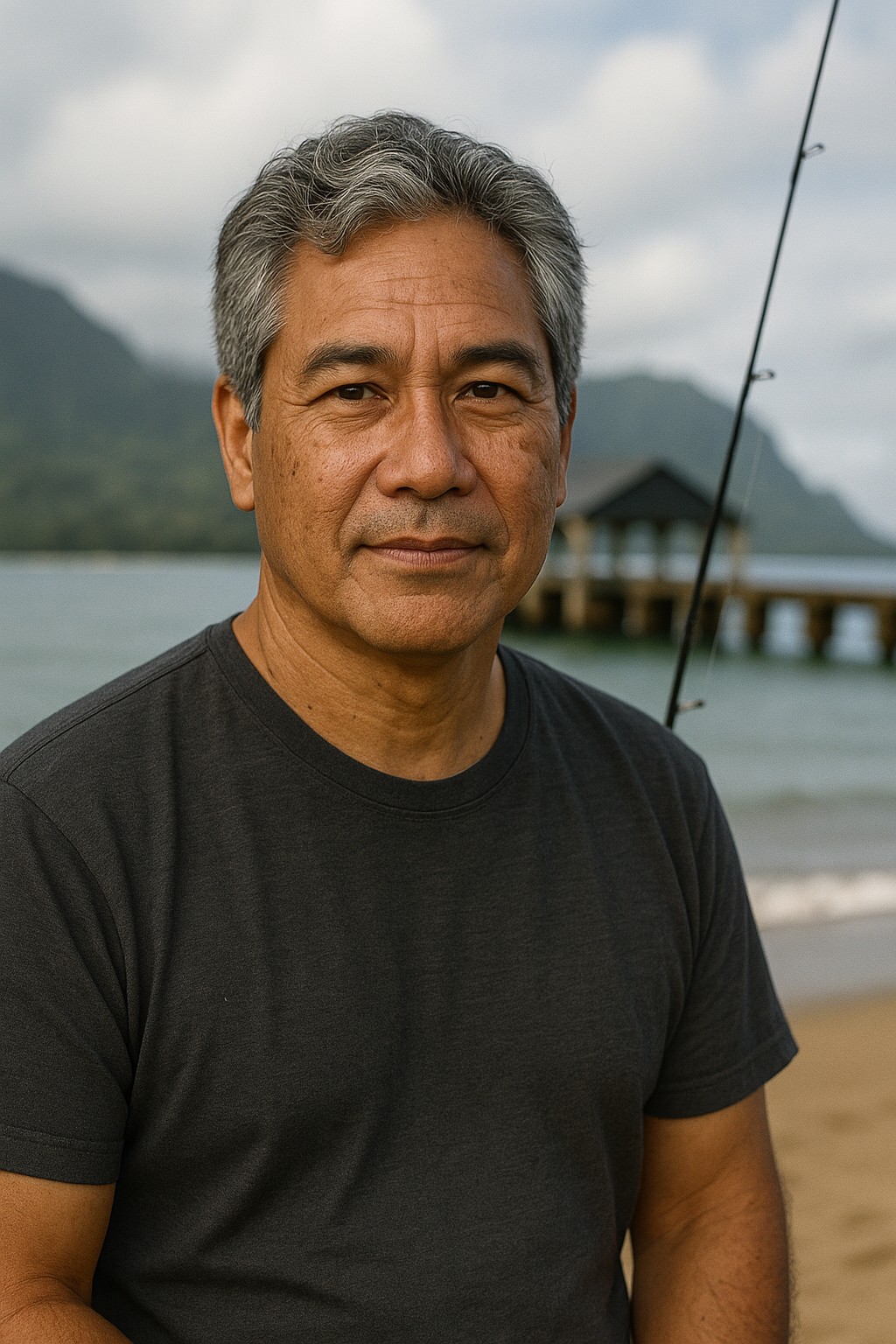
Written by a Local Surfing Expert
Kalani MillerDancing with Nature
Surfing is a dance with nature, and at Honoliʻi, nature leads. Understanding the conditions is not just about catching better waves. It's about staying safe. The spot is a dynamic environment where things can change in an instant.
The magic combination, the day we all dream of, is when a solid groundswell from the Northeast meets a light offshore wind from the Southwest (what we call "Kona winds"). This grooms the waves, holding them up into clean, perfect lines. More often than not, however, we deal with the persistent easterly tradewinds, which can create a bit of onshore chop but rarely make the waves unsurfable.
Seasonal Rhythm
Understanding the Natural Cycles
The seasonal rhythm is the most important factor to consider. Understanding when Honoliʻi comes alive and when it sleeps will help you time your visit perfectly.
❄️ Winter Season
November through March
This is prime time. Powerful North Pacific swells march down the island chain, lighting up Honoliʻi with bigger, more challenging, and often barreling waves.
Characteristics:
- • Bigger, more powerful waves
- • Often barreling sections
- • Packed with experienced surfers
- • Perfect for advanced riders
☀️ Summer Season
April through October
Calmer, more playful waves make this the ideal season for beginners and intermediates to enjoy the spot without the intensity of winter swells.
Characteristics:
- • Calmer, more forgiving waves
- • Perfect for learning
- • Less crowded lineups
- • Family-friendly conditions
Tidal Influence
While the break is technically surfable at all stages of the tide, the wave's character does change. Understanding these changes will help you choose the right time for your skill level and style.
🌊 Lower Tide
A lower tide on a good swell will drain water off the reef faster, creating a more hollow, powerful, and faster wave.
Perfect for:
- • Performance surfing
- • Barrel riding
- • Experienced surfers
Warning:
Less forgiving, shallow reef exposure
🌊 Higher Tide
More water over the reef creates softer, more forgiving waves that are easier to catch and ride.
Perfect for:
- • Learning and progression
- • Longboard surfing
- • Beginners and intermediates
Benefits:
Safer conditions, more room for error
The Holy Trinity of Hazards
Respect These Three Critical Dangers
The unique geography of Honoliʻi creates a "holy trinity" of dangers that you must respect. These aren't meant to scare you away, but to ensure you surf with knowledge and preparation.
🌊 1. Currents - The Number One Hazard
The outflow from the Honoliʻi Stream creates powerful and unpredictable rip currents and longshore currents that can pull you out to sea or down the coast. When the cold freshwater mixes with the warm ocean water, it creates complex dynamics. The current is particularly notorious off The Point. Never underestimate it.
Warning Signs:
- • Discolored water from stream
- • Foam lines and debris trails
- • Water moving parallel to shore
- • Temperature changes while paddling
Safety Tips:
- • Don't fight the current directly
- • Paddle parallel to shore to escape
- • Use landmarks to track position
- • Signal for help if needed
🪨 2. The Bottom - Sharp and Unforgiving
This is not a sandy beach break. You are surfing over a shallow bottom composed of reef, lava rock, and large boulders. A wipeout can mean a direct encounter with these unforgiving features. Know the risks and protect yourself (and the reef) by not trying to stand up in shallow areas.
Bottom Composition:
- • Sharp lava rock
- • Coral reef sections
- • Large boulders
- • Uneven surfaces
Protection:
- • Wear reef booties
- • Never try to stand in shallow water
- • Protect your head during wipeouts
- • Learn proper falling techniques
💧 3. Water Quality - When to Stay Out
Because it's a rivermouth, heavy rains on the mountain (mauka) wash sediment and runoff down the stream and into the bay, which can significantly impact water quality. If the water looks brown and murky, it's wise to wait for it to clear up.
Red Flags:
- • Brown, murky water
- • Strong stream flow
- • Debris in the water
- • Recent heavy rainfall
When to Surf:
- • Clear, blue water
- • Normal stream flow
- • 24+ hours after rain
- • Good visibility underwater
Your Safety Net
Thankfully, there are county lifeguards on duty every day. They are your best resource. Before you even think about paddling out, especially if it's your first time, go talk to them. They know the day's conditions better than anyone. Their presence is a huge asset, but it doesn't replace personal responsibility.
What Lifeguards Can Tell You:
- • Current conditions and hazards
- • Best spots for your skill level
- • Recent incidents or closures
- • Water quality updates
- • Weather and swell forecasts
Emergency Procedures:
- • Wave your arms if in distress
- • Don't panic - stay calm
- • Float and signal for help
- • Know your limits
- • Surf with a buddy when possible
🏄♂️ The Golden Rule of Ocean Safety
"If in doubt, don't go out."
This statewide ocean safety motto has saved countless lives. Trust your instincts and live to surf another day.
🗺️ Explore Honoli'i
Getting started
The Surf BreaksPeak by peak breakdown
Culture & EtiquetteRespect and community
You are here
More adventures
✅ Safety Checklist
📅 Best Times
Winter (Nov-Mar)
Big swells, expert conditions
Summer (Apr-Oct)
Calmer, beginner-friendly
Early Morning
Cleaner conditions, lighter winds
🚨 Emergency
Emergency: 911
Police, Fire, Medical
Ocean Safety: (808) 961-8311
Non-emergency ocean rescue
Signal for Help:
Wave both arms overhead