Masters of the Sea: The Lawaiʻa of Kohala
Every place has its own spirit. Its own unique identity. While Lapakahi was part of a larger economic and social system, it was also known for two things in particular. The exceptional skill of its fishermen and its renown as a center for healing. This dual identity made the village a place of great importance. It drew people and knowledge from across the archipelago.
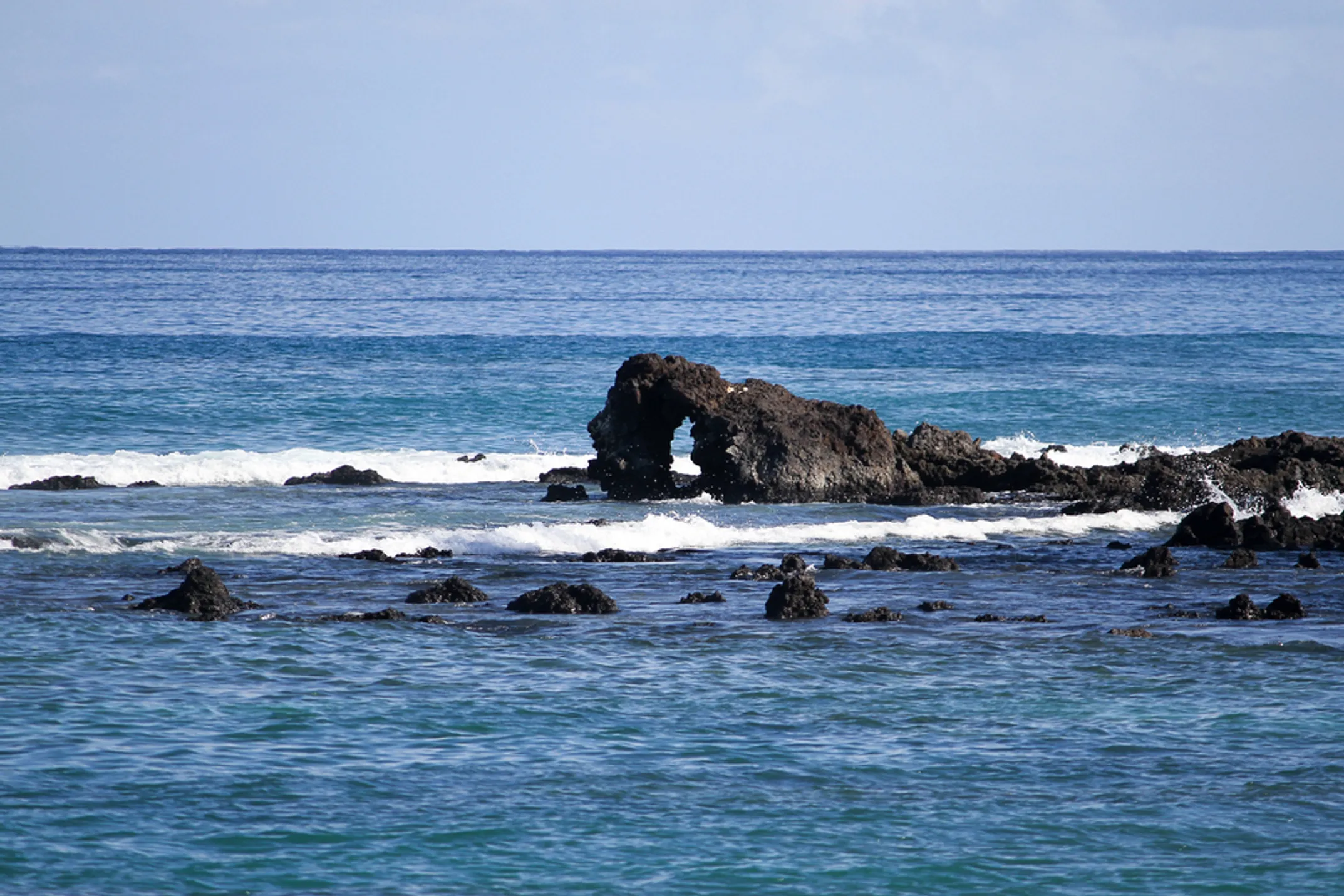
The life of a lawaiʻa (fisherman) in ancient Hawaiʻi was one of deep, intimate knowledge. It required understanding the subtle shifts in ocean currents. The phases of the moon. The spawning cycles of different fish. The precise locations of the koʻa, or traditional fishing grounds.
The men of Lapakahi were masters of this knowledge. Excavations at the site have unearthed a treasure trove of their tools. They paint a vivid picture of their craft. Archaeologists have found numerous makau (fishhooks) of all sizes. Painstakingly carved from bone and shell. As well as stone sinkers and lures.
Tools of the Trade: Artistry and Function
The artistry and ingenuity of these tools are remarkable. The lūheʻe (octopus lure) was a work of functional art. Scientific analysis of the stone sinkers used for these lures reveals that the fishermen weren't just choosing rocks for their weight. They were deliberately selecting stones with interesting visual textures. Such as those with large vesicles or reflective olivine crystals. Likely because they understood these properties would better attract the curious octopus.
This reveals a level of sophistication that goes far beyond simple utility.
🪝 Makau (Fishhooks)
Painstakingly carved from bone and shell in various sizes for different fish species. Each hook was a work of functional art.
🐙 Lūheʻe (Octopus Lures)
Clever lures made from cowry shells and specially selected stone sinkers with visual textures to attract octopus.
🪨 Stone Sinkers
Carefully selected stones with vesicles or olivine crystals, chosen for both weight and visual appeal to fish.
🕸️ Olonā Fiber Nets
Strong fishing lines and nets braided from olonā plant fibers - the strongest in all of Polynesia.
Spiritual Practice and Conservation
This mastery was built on a foundation of spiritual practice and a profound conservation ethic. The fishermen's relationship with the sea was governed by a system of kapu (taboos). These were not arbitrary rules but a sophisticated form of resource management.
For example, a kapu might be placed on catching a certain species of fish during its primary spawning season. This allowed the population to replenish itself for future generations. This practice ensured the long-term sustainability of their most vital resource.
🎣 Fishing Wisdom
- Lawaiʻa: Skilled fisherman with honor
- Koʻa: Traditional fishing grounds
- Kapu: Conservation taboos
- Holoholo: "To wander" - humble fishing
🌿 Healing Center
- Lāʻau lapaʻau (herbal medicine)
- Inter-island knowledge exchange
- Learning centers for practitioners
- Annual modern gatherings continue
🗺️ Lapakahi Guide
A Center for Healing: The Knowledge of Lāʻau Lapaʻau
Beyond its identity as a fishing village, Lapakahi held a special role in the Hawaiian world. It was a renowned center for lāʻau lapaʻau, the traditional practice of herbal medicine. This is a crucial part of Lapakahi's story. A piece of its soul that elevates it from a simple settlement to a place of great learning and importance.
University of Healing
People traveled from all over the Hawaiian Islands to learn from the masters of botanical medicine who lived here.
Knowledge Exchange
Visitors maintained their own houses for extended stays of learning and practice, sharing knowledge across islands.
Living Tradition
Modern practitioners dedicated to preserving lāʻau lapaʻau knowledge still gather at Lapakahi annually.
According to oral histories, people would travel from all over the Hawaiian Islands to come to Lapakahi. They came not just to be healed. They came to learn from the masters of botanical medicine who lived here. To exchange their own knowledge of beneficial plants.
The village became a sort of university for healing arts. A place where knowledge was concentrated and shared. Some accounts even suggest that visitors from other islands maintained their own houses within the village specifically for these extended stays of learning and practice.
The vibrant trade networks that brought tools from Mauna Kea also brought people and ideas. A place that was a hub for the exchange of goods was a natural center for the exchange of knowledge.
Today, you can still see some of the plants that were part of this tradition. Like the native Hawaiian cotton, maʻo, whose leaves and flowers were used to make dyes. In a powerful testament to the enduring spirit of the place, a group of modern practitioners dedicated to preserving and perpetuating the knowledge of lāʻau lapaʻau still gathers at Lapakahi annually. They continue a tradition that is centuries old.
This living connection reminds us that the legacy of Lapakahi is not confined to the past. It continues to heal and teach today. The offerings made at the kūʻula and koʻa shrines were part of this reciprocal relationship. By honoring the gods of the sea, they ensured the sea would continue to provide for them.