More Than Bronze
The Living Heart of Kapaʻau
To see the Kapaʻau statue is to understand something special. It's more than a piece of history. It's a living part of the community. The people who care for it give it meaning.
The "Painted King": A Tradition of Aloha
The most striking thing about the Kapaʻau statue is its color. It's not the dark bronze you'd expect. Instead, the king is painted in bright, lifelike colors. Rich brown skin. A brilliant yellow feather cloak. A red and yellow sash. This wasn't the original plan. It grew from care and love.
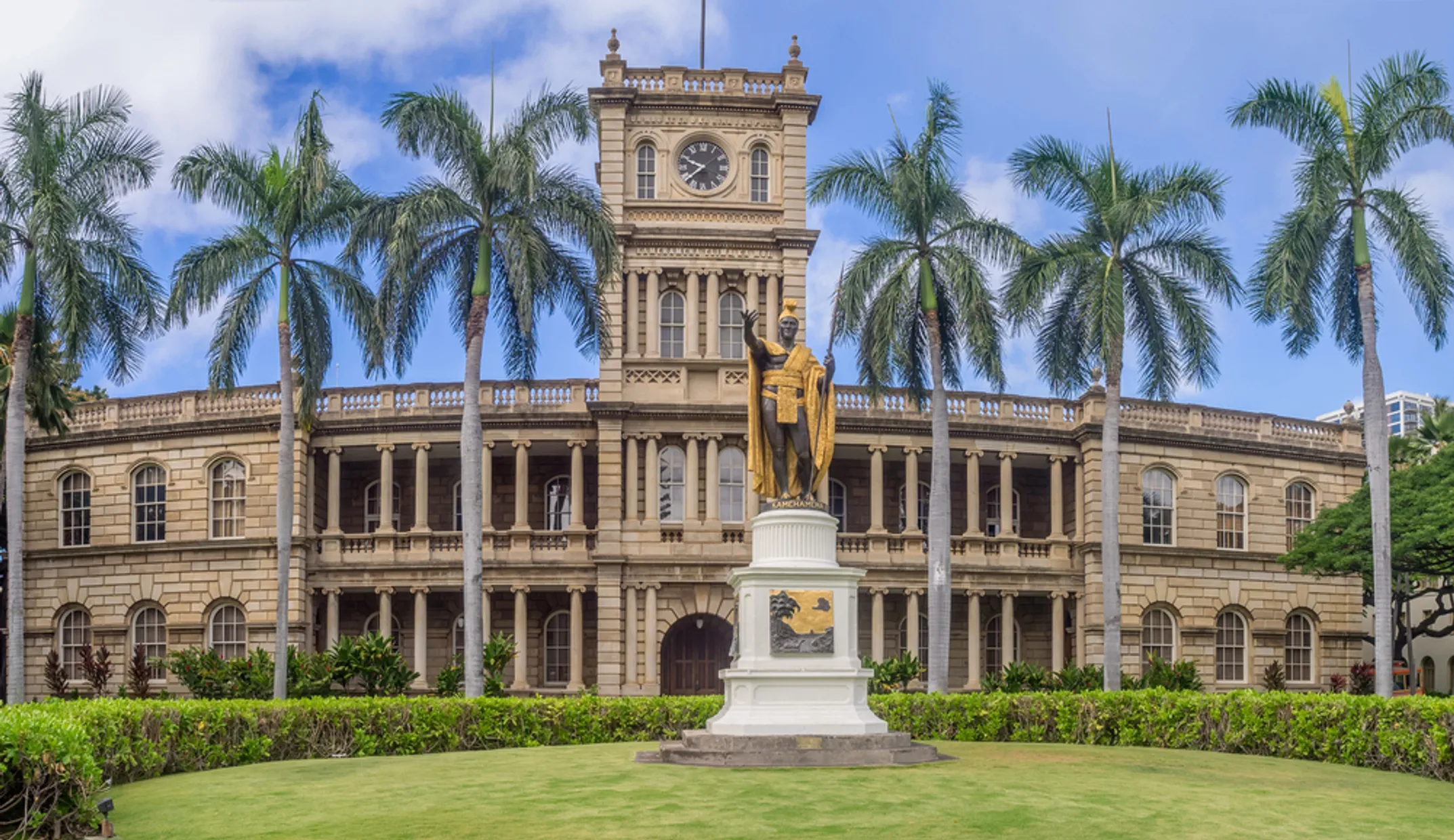
Early in the 1900s, people began painting the statue. They wanted to protect the brass from damage. Salt water had hurt it during its time in the ocean. Over time, this care became a cultural choice. The people of Kohala loved their "more human" king. Unlike the formal, golden statue in Honolulu, the Kapaʻau king feels close. He feels alive.
A Community's Kuleana: The Great Restoration
By the 1990s, the statue was in bad shape. Years of weather and house paint had damaged it. A major restoration took place from 1998 to 2001. This project was special. It wasn't run by outside experts. Instead, it included the local community every step of the way.
The project asked a big question. What is real? Should the statue look like the artist first made it? Should it be golden bronze like the Honolulu version? Or should it honor the community's tradition of painting it? The people spoke clearly. They wanted their painted king.
This choice was powerful. It put the living relationship between community and culture first. It said the people of Kohala had the right to define their own heritage. This was kuleana - responsibility and care.
The work was careful. Experts stripped old paint. They sealed cracks in the metal. They treated it to stop rust. Then they painted it again with great care. The colors weren't random. They came from research and talks with cultural experts. They matched real artifacts. The red came from ʻiʻiwi bird feathers. The yellow came from the now-gone ʻōʻō bird.
The statue was rededicated in 2001. Today, trained local volunteers check on it twice a year. The tradition of community care continues.
🔬 Scientific Process
- Strip old deteriorating paint
- Seal metal cracks and damage
- Apply rust prevention treatment
- Research accurate color palette
- Professional repainting process
🌺 Cultural Colors
- Yellow from ʻōʻō bird feathers
- Red from ʻiʻiwi bird feathers
- Rich brown skin tones
- White eye highlights
- Natural fabric textures
A Vessel of Mana: The Statue's Spiritual Soul
For many Native Hawaiians, the Kapaʻau statue is sacred. It's not just art. It's a kiʻi - a figure that can hold mana. Divine spiritual power. Many see it as a way to connect with Kamehameha's spirit and our past.
This deep meaning explains the respect shown here. People often leave offerings at the statue's base. Fresh flower lei. Ribbons. Pōhaku stones. These are signs of tribute and honor. Visitors need to understand this. The statue isn't just a photo spot. For many, it's a sacred place. It deserves quiet respect.
Understanding Sacred Space
When you visit the painted king, remember you're entering a place of spiritual significance. The community's choice to paint their statue isn't just about preservation - it's about keeping their connection to Kamehameha alive and accessible. This living tradition makes the Kapaʻau statue unique among all royal monuments in the Pacific.
Experience the Celebration
See the painted king at his most magnificent during Kamehameha Day, when the community comes together for the most authentic celebration in all of Hawaiʻi.
Kamehameha Day Traditions🛠️ Restoration Timeline
Community volunteers continue the tradition of caring for their painted king.
🌺 Cultural Significance
- Sacred kiʻi holding mana
- Connection to Kamehameha's spirit
- Living community tradition
- Place for offerings & prayer
- Expression of kuleana
🌸 Offering Protocol
Appropriate Offerings:
- • Fresh flower lei
- • Ti leaf
- • Ribbon (ho'okupu)
- • Small pōhaku stones
Important: Place offerings only at the pedestal base, never on the statue itself.
👑 Kamehameha Guide
🤝 Community Choice
"We wanted our painted king" - The community's decision to maintain the painted tradition over formal bronze restoration.
Kuleana: responsibility and care
Choice: living relationship over formal history
Result: world's only painted Kamehameha statue