The Sacred Mountain: Honoring Hawaiian Culture
Understanding Mauna Loa as a living ancestor and sacred place in Hawaiian tradition

Written by a Local Expert
Leilani AkoMore Than a Mountain: Mauna Loa as Living Ancestor
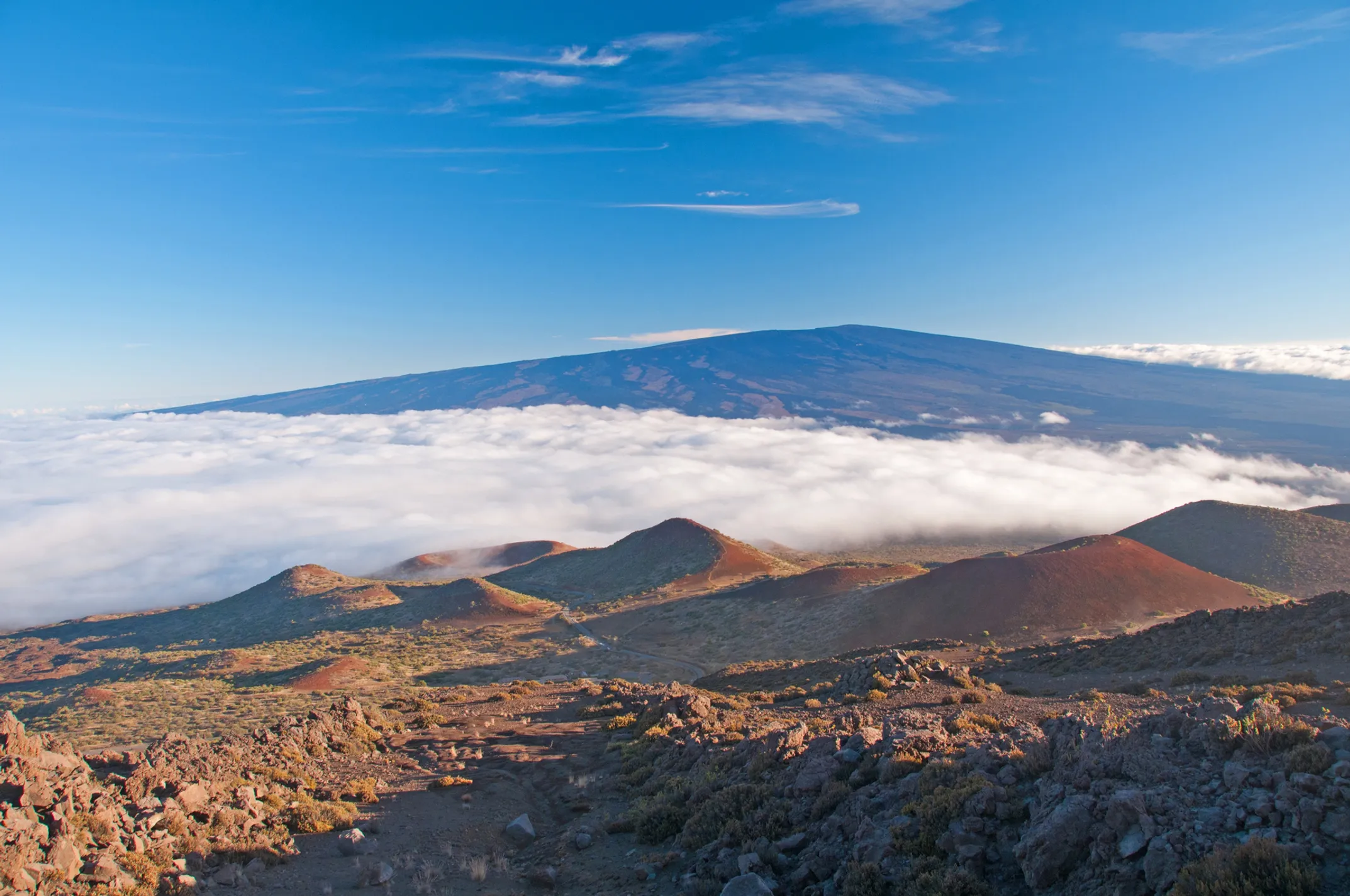
Mauna Loa isn't just a geological feature to Native Hawaiians. It's a living ancestor. It's the physical form of Pele, the volcano goddess. Understanding this connection deepens any visit to the mountain.
The Hawaiian worldview sees the land as alive. Mountains, valleys, and reefs are relatives, not resources. They have their own mana, or spiritual power. They deserve respect and care.
Pele: The Woman Who Shapes the Land
Pele's stories run through Hawaiian culture like lava through rock. She's passionate and powerful. She creates new land but also destroys what came before. Her moods shape the islands.
Legend says Pele travels between volcanoes. When she's active at Kilauea, Mauna Loa often rests. When she moves to Mauna Loa, Kilauea goes quiet. The 2022 eruption followed this pattern. Kilauea had been erupting for years before going quiet in late 2022.
Pele - The Fire Goddess
The passionate creator and destroyer who shapes the Hawaiian islands through volcanic fire and molten lava.
- • Creates new land through eruptions
- • Lives in volcanic craters
- • Travels between volcanoes
- • Protector of sacred places
Poliahu - The Snow Goddess
Pele's sister who rules the snow and ice on Mauna Kea, creating balance in the volcanic landscape.
- • Commands snow and ice
- • Lives on Mauna Kea
- • Sometimes fights with Pele
- • Brings cooling balance
Hi'iaka - Pele's Beloved Sister
The goddess of hula and fertility who dances life into existence and protects sacred groves.
- • Goddess of hula dance
- • Protects vegetation
- • Pele's closest companion
- • Brings life and growth
Laka - The Hula Goddess
The deity of hula and peaceful arts who teaches humans the sacred dances of the islands.
- • Patron of hula dancers
- • Teacher of sacred arts
- • Lives in peaceful forests
- • Brings harmony and beauty
Pele has a complex relationship with her sister Poliahu. Poliahu rules the snow and ice on Mauna Kea. Sometimes they fight, throwing fire and ice at each other. Sometimes they live in peace. The battle explains why one mountain erupts while the other stays quiet.
Many Hawaiians saw the 2022 eruption as Pele speaking. She was reminding people of her power. She was asserting her claim to the land. The timing felt significant. It came during a period of cultural reawakening.
Approaching with Respect
Visiting sacred places requires the right attitude. In Hawaiian culture, you don't just arrive somewhere. You announce yourself. You ask permission. You show respect.
Traditional visitors might chant an oli, a Hawaiian chant. These poems introduce the visitor and ask permission to enter. They acknowledge the power of the place and the visitor's humble status.
Traditional Hawaiian Oli (Chant)
"Komo mai, komo mai
E ku'u akua, e ku'u 'aumākua
E kala mai ia'u
I hele ai ma kou 'āina"
"Welcome, welcome / My gods, my ancestors / Forgive me / For walking upon your land"
Most visitors aren't trained in oli. That's okay. The important thing is the attitude behind it. Take a moment before starting your hike. Acknowledge where you are. Show respect for the mountain and its cultural meaning.
Some people leave offerings for Pele. Traditional gifts include lei, ti leaves, or other natural items. Don't leave anything artificial. Better yet, simply show respect through your actions. Hike carefully. Don't damage anything. Take only pictures.
🙏 Cultural Guidelines
- Announce your presence respectfully
- Ask permission before entering
- Stay on designated trails
- Leave no trace behind
- Take only photographs
✨ Hawaiian Concepts
Spiritual power in all things
Sacred restrictions and taboos
Land as living ancestor
To care for and protect
🌺 Traditional Offerings
- • Fresh lei (native plants)
- • Ti leaves
- • Flowers
- • Natural items only
- • Plastic items
- • Food offerings
- • Coins or money
- • Foreign objects
📚 Famous Legends
How Pele traveled from Tahiti
Pele vs. Poliahu battles
Origin of hula tradition
Living Landscapes: Contemporary Cultural Perspectives
This view makes volcanic eruptions different from the Western scientific perspective. Yes, they're geological events. But they're also spiritual ones. They're the earth expressing itself. They're ancestors communicating.
This doesn't conflict with science. Many Native Hawaiians are also scientists. They understand plate tectonics and magma chemistry. But they see another layer of meaning too. The mountain is both a volcano and an ancestor.
Sacred Management
Many Native Hawaiians want more control over their ancestral lands and management that honors cultural values.
Cultural Science
Traditional knowledge and modern science can work together to better understand volcanic processes.
Visitor Responsibility
Tourists can support Native Hawaiian-owned businesses and follow cultural guidelines for sacred sites.
Today, there are important discussions about who should manage sacred sites.
How should research happen on sacred mountains? Who gets to decide access rules? How do you balance science, culture, and tourism? There aren't easy answers. But visitors can be part of the solution.