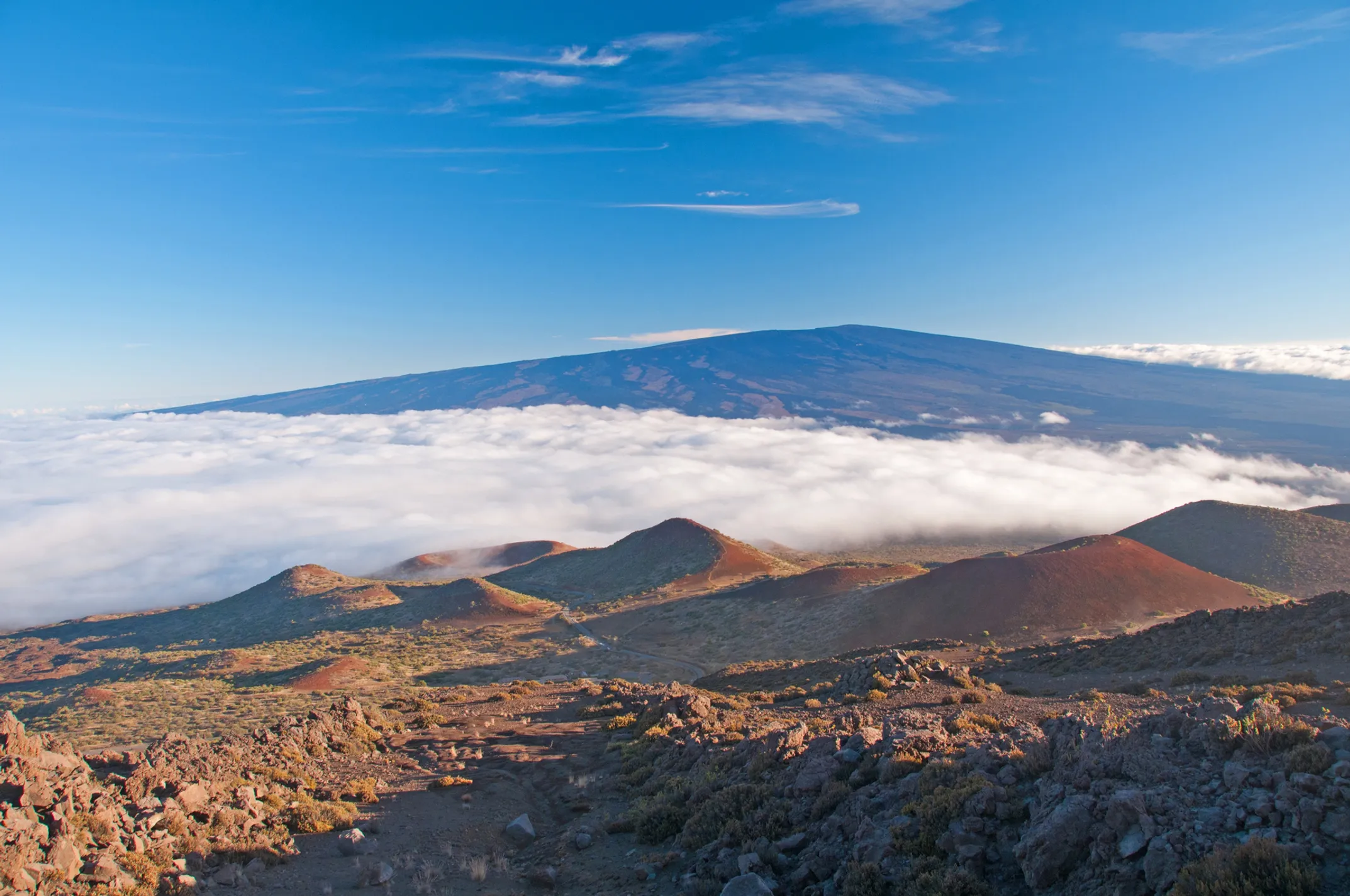
Protecting Paradise: Conservation and Future Challenges
Preserving Mauna Loa's unique ecosystem for future generations of visitors and wildlife

Written by a Local Expert
Leilani AkoFacing Tomorrow's Challenges
Mauna Loa faces many challenges in the coming decades. Climate change, invasive species, and increasing tourism all threaten this special place. But scientists and managers are working to protect it for future generations.
Before humans arrived, Hawaii had unique plants found nowhere else. Many of these native species are now rare or extinct. But conservation work is bringing some back from the brink.
Bringing Back Native Plants
On Mauna Loa, scientists have had success with plants like the Ka'u silversword. This stunning plant lives only on a few Hawaiian volcanoes. It was nearly extinct in the 1970s. Careful cultivation and replanting have brought it back to several sites.
The Pele lobeliad is another success story. This rare lobelia grows in the harsh conditions near the summit. Seeds were collected from the last few plants. Now, new populations are growing in protected areas.
🌟 Ka'u Silversword
- • Endemic to Hawaiian volcanoes
- • Silver-leafed rosette plant
- • Nearly extinct in 1970s
- • Successful restoration efforts
- • Lives 20-50 years before flowering
🌺 Pele Lobeliad
- • Rare Hawaiian lobelia species
- • Grows near volcanic summits
- • Purple tubular flowers
- • Seeds collected for cultivation
- • Protected nursery populations
🌿 ʻŌhiʻa Lehua
- • Native Hawaiian tree
- • Sacred to Hawaiian culture
- • Bright red pom-pom flowers
- • Threatened by disease
- • Important watershed protector
🪴 Māmane Tree
- • Hardy alpine species
- • Yellow pea-like flowers
- • Grows at high elevation
- • Important bird habitat
- • Slow-growing but resilient
These efforts require constant vigilance. Feral pigs can destroy native plants in hours. Invasive weeds compete for space and water. Climate change brings new stresses. Each surviving plant is precious.
The Fresh Lava Challenge
The 2022 eruption created a new conservation challenge. Thousands of acres of fresh lava now cover the mountain. This rock is completely sterile. Nothing grows there yet.
Over time, this land will slowly come back to life. Pioneer plants will find cracks in the rock. Birds will bring seeds. Soil will slowly form. But this process takes decades or centuries.
Natural Recovery Timeline
The challenge is keeping invasive species out during this vulnerable time. Non-native plants often colonize new lava first. Once established, they're hard to remove. Preventing invasion is much easier than fixing it later.
Scientists are studying how to help native plants colonize new lava. They're testing techniques for creating soil. They're growing native seedlings that can handle harsh conditions. This work will help guide restoration efforts.
⚠️ Major Threats
- Invasive plant species
- Feral pig damage
- Climate change impacts
- Tourism pressure
- Habitat fragmentation
✅ Success Stories
From near extinction to multiple populations
Genetic material preserved for future
Native plants grown for replanting
🥾 Visitor Guidelines
- Stay on designated trails
- Pack out all trash
- Don't collect plants/rocks
- Clean boots before hiking
- Report invasive species
🚁 Drone Restrictions
DRONES PROHIBITED
- • Banned in Hawaii Volcanoes NP
- • Protects wildlife & wilderness
- • Respects cultural values
- • Heavy fines for violations
💚 How to Help
Choose local operators
Help with restoration
Fund research & protection
Leave No Trace: Your Responsibility as a Visitor
Every visitor to Mauna Loa has a responsibility to protect it. The Leave No Trace principles provide a good framework. These guidelines help minimize your impact on fragile environments.
Plan ahead and prepare. This prevents problems that might damage the environment. Stay on established trails. The volcanic rock and thin soil are easily damaged. Shortcutting creates erosion that lasts for years.
Plan & Prepare
Research conditions, get permits, and bring appropriate gear to prevent environmental damage from poor planning.
Travel & Camp Responsibly
Stay on designated trails and use established campsites to minimize impact on fragile volcanic terrain.
Pack It Out
Carry out all trash including food scraps. Even organic waste doesn't belong in this ecosystem.
Pack out all trash, including orange peels and food scraps. These don't belong in the Hawaiian ecosystem. They can attract invasive animals or create pollution.
Be careful with water sources. The mountain's water is limited and precious. Don't wash dishes or yourself in streams or springs. Use biodegradable soap far from water sources.
Respect wildlife and plants. Don't pick flowers or collect rocks.
These are part of the ecosystem and cultural landscape. Take only photographs and memories. Be considerate of other visitors and local communities.
Keep noise levels down. Respect private property. Support local businesses when possible. By visiting respectfully and sharing these experiences responsibly, we help ensure that future adventurers can also feel the magic of standing on this sacred summit.