Liliuokalani Gardens
Hilo's Sacred Japanese Garden Born from Royal Aloha
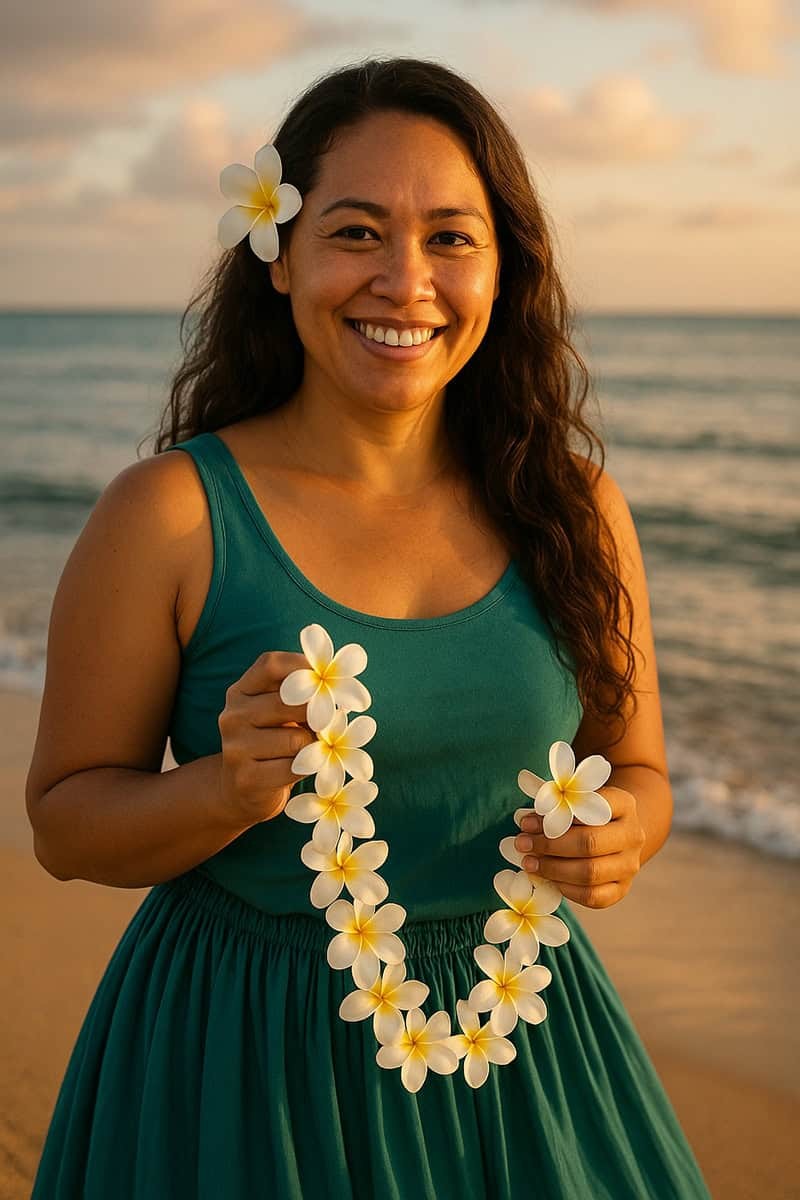
Written by a Local Cultural Expert
Leilani AkoA Garden That Speaks to the Soul
The first time I walked through Liliuokalani Gardens, I felt something powerful. This wasn't just another pretty park. Standing on that red wooden bridge, watching koi swim beneath my feet, I could feel the mana of two cultures joined together.
My tutu used to bring me here when I was small. She'd point to the stone lanterns and tell me stories about the brave people who carried them across the ocean. Back then, I didn't understand how special this place was. Now, after years of studying Hawaiian culture and sharing our islands with visitors, I know this garden holds one of the most beautiful stories ever told on Hawaiian soil.
This garden tells a story that every visitor to Hilo needs to hear. It's about a Hawaiian queen who never forgot her people. It's about Japanese immigrants who made these islands home. And it's about a community that refused to let disaster destroy their dreams.
Every time I bring my keiki here, I see their wonder at the giant koi and hear their giggles echoing off the water. But I also feel the weight of responsibility. This place teaches us how different cultures can create something beautiful together. In our world today, that lesson matters more than ever.
🌸 Authentic Japanese Design
The largest authentic Japanese stroll garden outside Japan, featuring traditional principles of "borrowed scenery" and symbolic landscapes.
🎌 Royal Hawaiian History
Gifted by Queen Liliuokalani in 1917 to honor Japanese immigrants who became part of Hawaii's island family.
🌊 Tsunami Resilience
Rebuilt multiple times after devastating tsunamis, becoming part of Hilo's innovative coastal defense strategy.
🐠 Living Ecosystem
Home to champion Nishikigoi (Japanese koi) in brackish ponds connected directly to Hilo Bay.
Explore the Complete Garden Story
Discover the deep cultural significance, stunning design principles, and living traditions that make Liliuokalani Gardens a treasure of the Pacific.
ℹ️ Garden Essentials
- Entry: Free
- Hours: 24/7 Open
- Best Time: Early morning
- Location: Hilo, Big Island
- Size: 30 acres
🌅 Best Times to Visit
- Early Morning 6-9 AM
- Late Afternoon 4-6 PM
- Non-Cruise Days Check schedule
- Festival Days September
🎒 What to Bring
- Camera for photography
- Comfortable walking shoes
- Water bottle
- Light jacket (morning)
- Respect for sacred space
🏯 Garden Highlights
Iconic centerpiece built in Kyoto
Gifts from Japanese prefectures
Championship Nishikigoi
Traditional tea ceremonies
A Queen's Gift Born from Royal Aloha
Queen Liliuokalani gave the first five acres for this garden in 1917. Think about that timing. The Hawaiian Kingdom had been stolen in 1893. Our queen had lost her throne, her palace, her political power. But she never lost her aloha for her people.
I often stand by the water and imagine her making this decision. She was living in exile on her own land. American businessmen controlled the government. The sugar plantations dominated our economy. Yet she chose to use her remaining influence to honor the Japanese workers who had become part of our island family.
The queen loved Japanese culture deeply. She respected the immigrants who came to work our sugar fields starting in 1868. These workers faced hard conditions and unfair treatment. They were far from home, missing their families, building new lives on unfamiliar land. Her gift was more than just acres of earth. It was recognition. It was dignity. It was a bridge between two groups facing hard times under American rule.
King Kalakaua, her brother, had started this friendship. He encouraged Japanese immigration and admired their culture. When Liliuokalani became queen, she continued his vision of Hawaii as a place where Pacific peoples could honor each other's traditions.
The dream for a Japanese garden had been growing in Hilo's community since the early 1900s. Local families would gather and talk about creating something beautiful for their children. They wanted a place that felt like home but also celebrated their new Hawaiian identity.
Laura Kennedy's Vision
After visiting Kyoto's Golden Pavilion in 1914, she knew Hilo needed something just as magical using the old Waiakea fish ponds.
Community Support
C.C. Kennedy donated $1,000 to start building, showing how deeply the garden idea had touched the entire community.
Women's Dedication
The Japanese Women's Friendship Association bought beautiful Kasuga stone lanterns in 1916, waiting faithfully for the right moment.
Construction began in November 1917 with community volunteers working alongside paid crews. The garden opened in 1919 with ceremonies honoring the Gannenmono, the first Japanese workers who arrived in Hawaii exactly 50 years earlier. Everything had to be perfect. The original wooden bridge was built by master craftsmen in Kyoto, carefully taken apart piece by piece, shipped across thousands of miles of Pacific Ocean, and rebuilt here using traditional joinery with no nails. That bridge represented something profound. Two cultures working together, ocean apart, to create lasting beauty.