Stories That Shape the Land
Every stone, stream, and gust of wind is soaked with stories of gods and memory of kings

Written by a Cultural Guide
Leilani AkoThe Valley of the Kings
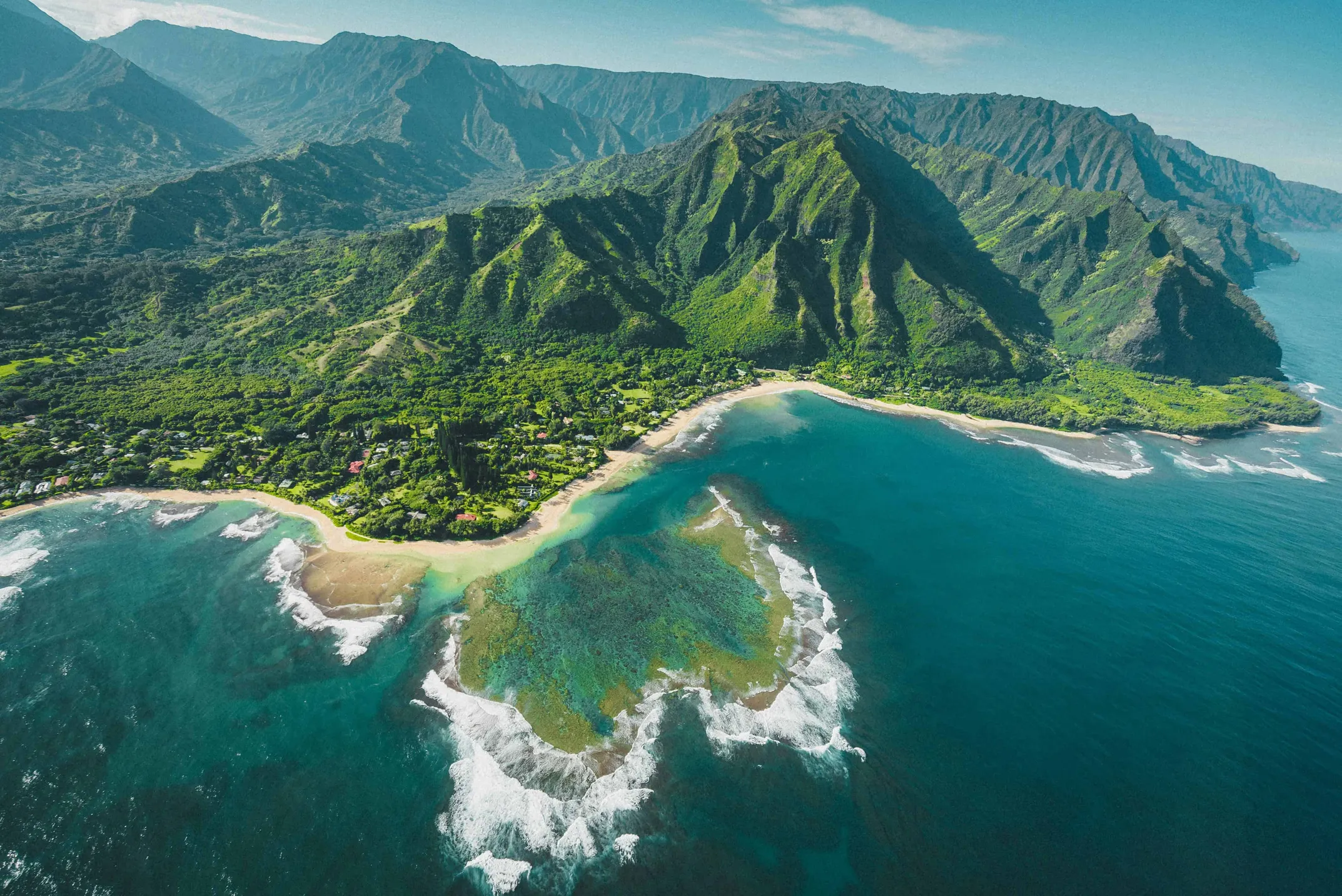
To look into Waipiʻo is to look into the heart of Hawaiian history. This isn't empty land. Every stone, every stream, every gust of wind is soaked with stories. With the presence of gods and memory of kings.
For hundreds of years, Waipiʻo was the political and religious center of Hawaiʻi Island. Its isolation, rich soil, and fresh water made it perfect for high chiefs. Among the most honored was the 15th-century chief Līloa. Here in Waipiʻo, he built his royal seat. It included the great temple of Pākaʻalana.
The platform of this temple was held in great reverence. It symbolized the sacred nature of the whole structure. And the divine right of the ruler who presided there. The mana of these great leaders is believed to linger here. Absorbed by the land itself.
Kamehameha's Sacred Training Ground
Hundreds of years later, the valley became the boyhood home of another giant in Hawaiian history. Kamehameha I. Within the protective embrace of Waipiʻo's cliffs, the future unifier of the islands was raised. He learned leadership, statecraft, and warfare here. The valley was his refuge and training ground. A place where his destiny was forged.
Waipiʻo is also a vast burial ground. The bones of the highest chiefs were thought to hold their spiritual power. To protect them from enemies, they were secretly buried in caves and cracks high on the sheer cliff faces. This practice makes the entire valley sacred. It turns the towering cliffs into a silent, eternal audience of ancestors watching over their sacred home.
👑 Chief Līloa (15th Century)
Built the royal seat and great temple of Pākaʻalana. His platform symbolized divine right and sacred authority in the valley.
⚔️ Kamehameha I
Raised in Waipiʻo's protective embrace, learning leadership and warfare. The valley shaped the future unifier of all Hawaiian islands.
🏔️ Sacred Burials
High chiefs' bones hidden in cliff caves to protect their spiritual power. The cliffs become an eternal audience of ancestors.
🔥 Pākaʻalana Temple
The great temple complex that served as the religious center, with platforms held in reverence across the islands.
📅 Historical Timeline
- 15th Century: Chief Līloa
- 1750s: Kamehameha born
- 1800s: Population peak
- 1946: Tsunami disaster
- 2022: Road closure
🏛️ Sacred Elements
- Royal temple platforms
- Chief burial caves
- Ancient taro terraces
- Ceremonial pools
- Sacred groves
🌺 Cultural Significance
Seat of Big Island rulers
Major temple complex
Kamehameha's education
Royal burial grounds
Living Stories of Gods and Heroes
The landscape of Waipiʻo is a canvas for the epic deeds of gods. These stories aren't just myths. They're the framework of the Hawaiian people. They explain how the land was born. The nature of its spiritual forces. The right ways to interact with them.
Pele and Hiʻiaka: A Sister's Sacred Journey
One of the most important stories connected to this region is about Pele, the volcano goddess, and her youngest, most loved sister, Hiʻiakaikapoliopele. The full story tells of Hiʻiaka's heroic journey from Kīlauea to Kauaʻi. She went to bring back Pele's handsome lover, Lohiʻau.
Her travels were full of danger. She battled supernatural enemies, including powerful moʻo. These were ancient reptilian water gods who were the original guardians of the land. These battles weren't just physical fights. They represented a cosmic shift. They established the rule of Pele's family of gods across the islands. They defined the spiritual territories of different landscapes.
Another powerful story rooted in Waipiʻo is that of Haʻinakolo. A chiefess of legendary beauty whose story of love, loss, and redemption begins at a sacred bathing pool at the base of Hiʻilawe Falls.
Kamapuaʻa: The Wild Pig God
If Hiʻiaka represents divine order and loyalty, her opposite is the wild force of Kamapuaʻa, the pig god. A shapeshifter, Kamapuaʻa embodies the untamed, fertile power of the land. He's a god of farming, worshipped by common people. He can appear as a handsome man, a giant boar, a fish, or even a plant.
His stormy relationship with Pele is one of the great cycles of Hawaiian stories. It's a deep allegory for the elemental forces that create and define Hawaiʻi. The volcanic fire and destructive creation of Pele versus the life-giving water, fertile mud, and lush growth of Kamapuaʻa.
His very name is tied to the act of rooting in the wet, muddy earth of the taro fields. A powerful metaphor for creation and the valley's farming abundance.
🌋 Pele - Volcano Goddess
The fire goddess whose family established divine rule across the islands through Hiʻiaka's epic journey.
💃 Hiʻiaka - Divine Sister
Pele's beloved sister who battled ancient moʻo guardians, representing cosmic order and loyalty.
🐗 Kamapuaʻa - Pig God
Shapeshifting god of fertility and farming, embodying the wild, life-giving power of the land.
🐉 Moʻo - Dragon Guardians
Ancient reptilian water gods, the original guardians defeated by Hiʻiaka in her cosmic journey.
Taro and People: The Valley's Lifeblood
To understand Waipiʻo, you must understand the importance of kalo (taro). For Hawaiians, taro isn't just food. It's a sacred ancestor.
The creation story tells of Wākea (Sky Father) and his daughter Hoʻohokukalani. Their firstborn was stillborn, shaped like a gnarled root. They buried him, and from that spot grew the first taro plant. They named him Hāloanaka. Their second son, a human, was named Hāloa in honor of his elder brother. From this second son came the entire Hawaiian race.
This family tree creates an unbreakable bond between the people and the plant that feeds them. Waipiʻo Valley, with its rich volcanic soil and constant fresh water, was one of the most productive taro-growing regions in all Hawaiʻi.
For hundreds of years, its floor was a carefully engineered network of loʻi. Flooded terraces that fed a thriving population estimated as high as 10,000 people. The valley was a breadbasket. A symbol of abundance and self-sufficiency.
In the 19th and early 20th centuries, the farming landscape shifted. Chinese immigrant workers converted many of the ancient taro terraces into rice paddies. Today, the valley has come full circle. The few remaining resident families, many with deep ancestral ties, dedicate themselves to growing taro. They preserve the traditional farming practices that are central to Hawaiian cultural identity.
The Memory of Water: When the Ocean Turned Destroyer
The same ocean that defines the valley's beauty has also been a source of its most dramatic changes. The most powerful of these events happened on April 1, 1946.
An 8.1 magnitude earthquake in Alaska's Aleutian Islands triggered a massive tsunami. The waves raced across the Pacific. When they reached Hawaiʻi, they funneled into Waipiʻo with devastating force. They reached heights of 30 to 40 feet and flooded the entire valley floor.
The tsunami destroyed the once-busy community. It wiped out homes, schools, and churches. It tragically swept away lives. This event marked the end of an era. Most of the population left. Waipiʻo was transformed from a vibrant, populated center into the quiet, sparsely inhabited sanctuary it is today.
The stories of great floods. The oral histories of the 1946 tsunami passed down from survivors. The urgent pleas of today's elders and guardians.
They all serve as living tsunami stones - warnings for future generations about respecting the power of nature and the need to protect sacred places.