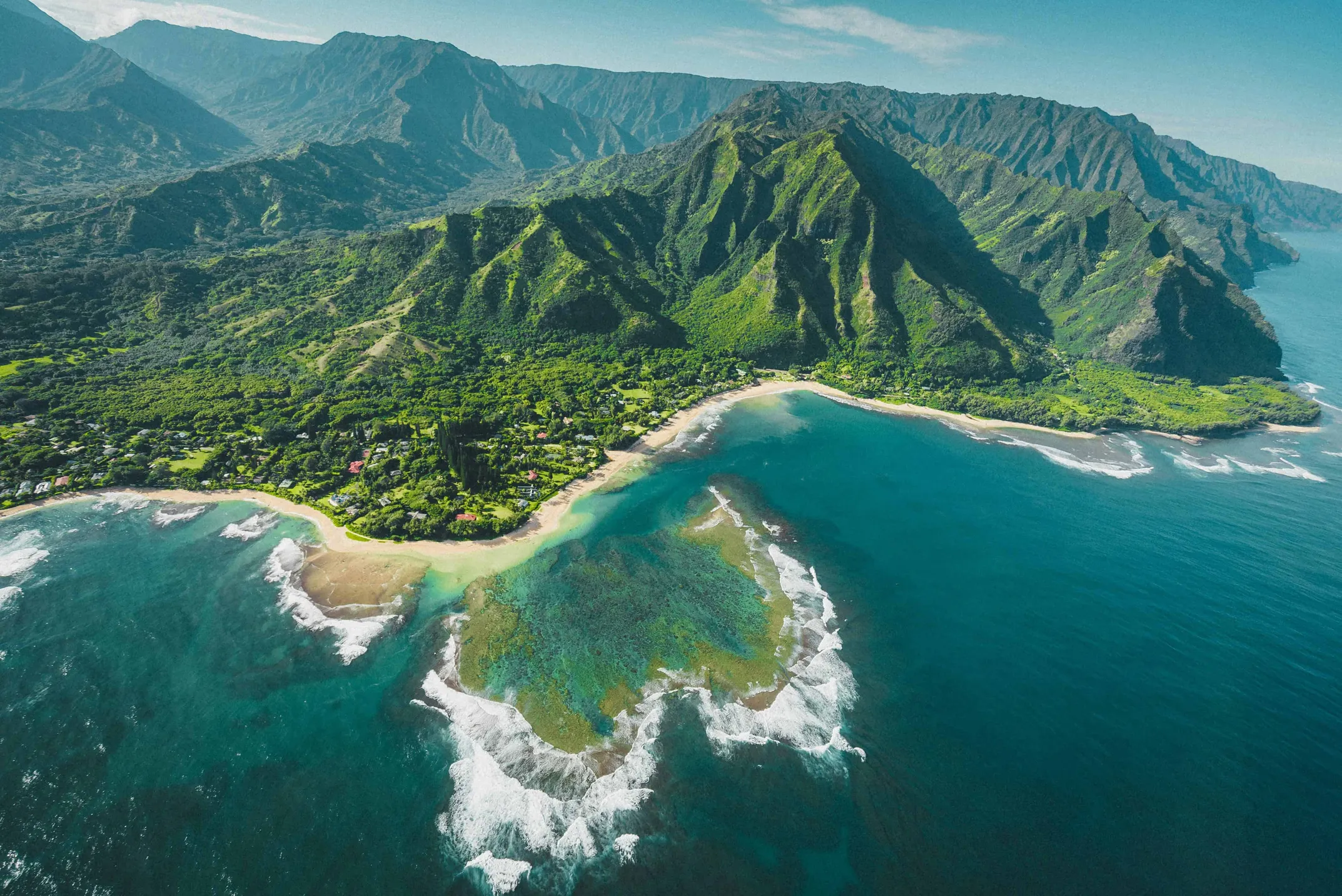
The Sacred Path: Understanding Access
Navigating the complex relationship between safety, sacred space, and community rights in 2024

Written by a Cultural Guide
Leilani AkoA Road That Speaks to Sacred and Safety
The single road into Waipiʻo Valley is more than just a path. It's a symbol of the complex relationship between this sacred place and the outside world. Understanding the current rules isn't just practical for visitors. It's a basic act of respect.
The Waipiʻo Valley Road has been officially closed to the general public since February 2022. The Mayor of Hawaiʻi County ordered the closure. This isn't a decision based on whim or a desire to exclude. It's a direct response to a formal safety assessment that found severe and immediate risks.
The Road Below: Why It's Closed
The report detailed the potential for rockfall from the steep cliffs lining the road. It noted significant slope instability and erosion. It concluded that the road's condition poses a "substantial danger to public health and safety."
In response, the county established a Traffic Emergency Zone. This remains in effect. This declaration gives legal force to the access restrictions. They prohibit all general pedestrian traffic and most vehicle traffic.
Repair work is planned in multiple phases over the coming years. But for the foreseeable future, the era of casual hikes or drives into the valley is over.
🚫 PROHIBITED
General Public - Private/Rental Cars
Road closed to all non-resident vehicles
General Public - Walking/Hiking
Pedestrian traffic prohibited per Emergency Rule
✅ ALLOWED
Hawaiʻi Island Residents
Covered 4WD vehicles only
Native Hawaiian Practitioners
For traditional/customary rights
Permitted Tour Operators
Licensed, insured with Mayor's permit
🚨 Current Status
- Road Status: CLOSED
- Since: Feb 2022
- Authority: Mayor's Order
- Reason: Safety hazards
- Repairs: Multi-year plan
🚗 Vehicle Requirements
Covered, low-range 4WD
All-wheel drive (AWD)
Rental cars
2WD vehicles
🚌 Permitted Tours
Only way for general public to access valley floor
- • Licensed operator
- • Full insurance
- • Mayor's office permit
- • Advance booking required
A Split in the Family: The Access Fight
The road closure, while rooted in safety, has exposed a deep and painful split within the Big Island community. It has become a focus for larger questions about land use, native rights, and the impacts of tourism in Hawaiʻi.
Mālama i ke Kai ʻo Waipiʻo: Fighting for Shoreline Access
Shortly after the initial closure in 2022, a community group named Mālama i ke Kai ʻo Waipiʻo filed a lawsuit against the county. Led by residents like Roland Shackelford who grew up surfing and fishing at the valley's black sand beach but don't own land there, the group argued that the blanket order unfairly cut off their access to a public shoreline. This is a right protected by the state constitution.
Their legal action led to mediation with the mayor. It resulted in the amended rule that now allows access for all Hawaiʻi Island residents in four-wheel drive vehicles.
"All of us need to put our personal wants aside and think of what's best for Waipiʻo. That's the Hawaiian way. That's what our ancestors did – put a kapu (prohibition) on places that needed to rest and rejuvenate."
— Jason Mock Chew, taro farmer and elder
Protect Waipiʻo Valley: Advocating for Rest and Healing
On the other side is a group of valley residents, farmers, and cultural practitioners. They're often represented by the group Protect Waipiʻo Valley. For them, the decades of unchecked tourism had become an unbearable burden.
Kū Kahakalau, a prominent educator and taro farmer whose family has deep roots in Waipiʻo, has voiced the frustration of many residents who felt the valley was being overrun. From this view, the pause on tourism during the pandemic and the road closure provided a much-needed break for the land and the community. It was a chance for the valley to "breathe again."
They argue that the focus should be on long-term management plans. Plans that put the health of the ecosystem and the preservation of the valley's sacred character over recreational access.
This isn't a simple debate with easy answers. It's a heartfelt struggle within the local family to define the future of one of its most cherished members.
🏄 Shoreline Access Advocates
Mālama i ke Kai ʻo Waipiʻo
- • Constitutional right to shoreline access
- • Families with generational beach use
- • Fishing and surfing traditions
- • Current 4WD resident access result of lawsuit
🌱 Valley Protection Advocates
Protect Waipiʻo Valley
- • Decades of tourism burden
- • Land needs time to heal
- • Sacred character preservation
- • Long-term ecosystem health priority
The Helicopter Question: A View from Above, Disruption Below
For visitors unable to enter the valley, helicopter tours are often marketed as the ultimate alternative. They offer spectacular aerial views of Hiʻilawe Falls and the dramatic coastline. While the visual experience can be stunning, it comes at a significant and controversial cost to the very place it showcases.
The issue of helicopter noise pollution is a source of deep anger and frustration for residents, cultural practitioners, and anyone seeking peace on the ground. The constant, invasive roar of helicopter blades shatters the natural quiet that is essential to Waipiʻo's sacred atmosphere.
Residents have described the noise as a "plague" and like "living in a war zone." The problem isn't unique to Waipiʻo. Across Hawaiʻi, communities have organized and filed lawsuits against the Federal Aviation Administration.
From a cultural standpoint, the disruption is even more severe. The noise makes it impossible to conduct ceremonies. To listen to the land. To feel the presence of the ancestors. It's a modern intrusion that fundamentally disrespects the kapu of the valley.
While the decision to take a helicopter tour is personal, it's crucial for visitors to understand that this choice has a direct, negative impact on the environment and the people below. The convenience of an aerial photograph is paid for with the peace of a sacred place.
🚁 Helicopter Impact
- • Disrupts sacred ceremonies
- • Disturbs wildlife and nature
- • Violates cultural protocols
- • Creates noise pollution
- • Disrespects residential peace
🙏 Respectful Alternatives
- • Experience the lookout view
- • Support permitted ground tours
- • Visit during quiet hours
- • Learn cultural stories
- • Practice respectful observation
Understanding the current access situation is essential for all visitors. These rules reflect not just safety concerns but a complex cultural and community dynamic. Respecting these boundaries is part of honoring the sacred nature of Waipiʻo Valley.