Photography & Culture
Capturing Whales Through Lens and Legend
Making the Most of Your Whale Watching Photography
Capture the Magic of the Koholā
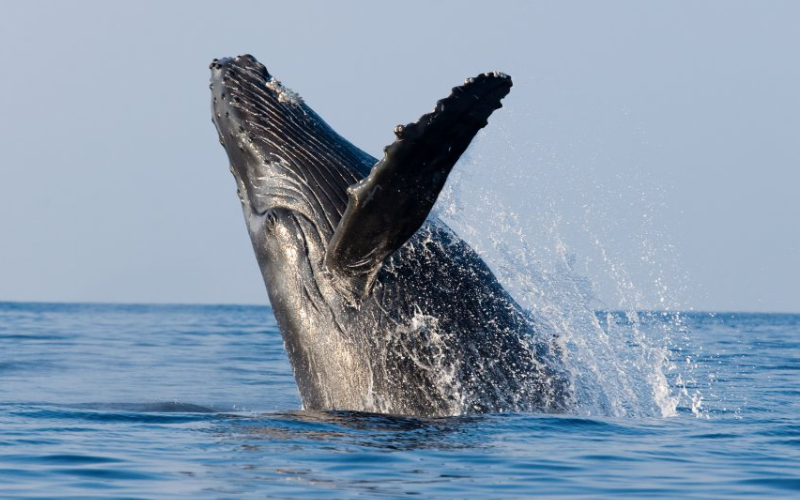
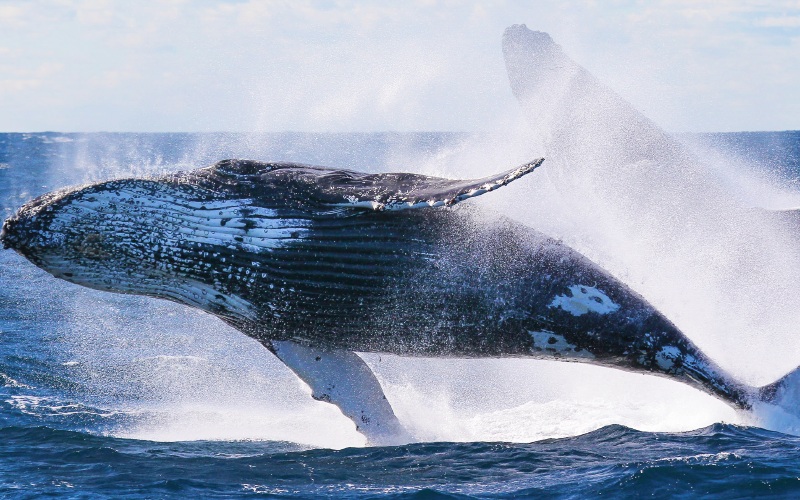
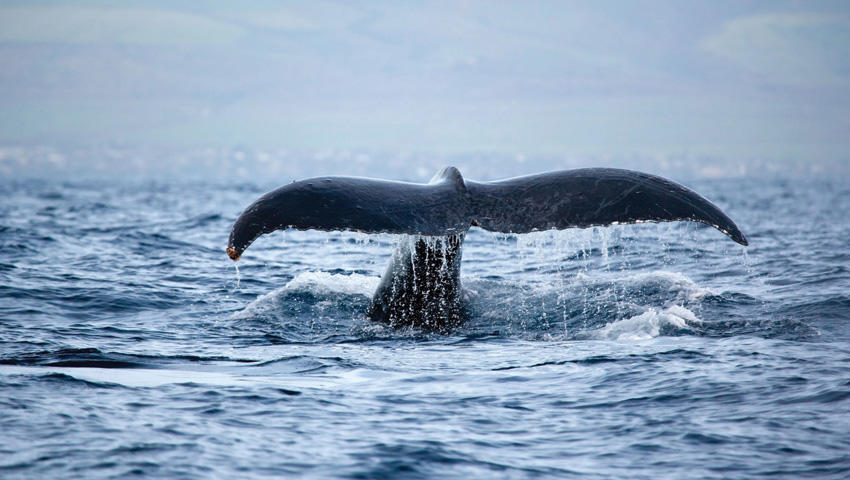
If you're hoping to capture that perfect breach or tail slap, here are some photography tips I've learned from years of chasing whales with my camera.
Camera Settings and Equipment
Use a Fast Shutter Speed
Whales move quickly, especially when breaching. Set your camera to at least 1/500th of a second to freeze the action. If you're shooting in bright daylight, you can go even faster.
Shoot in Burst Mode
When you see a whale surface, start shooting immediately and keep the shutter button pressed. Whales often breach multiple times in succession, and you want to capture the entire sequence.
Bring a Zoom Lens
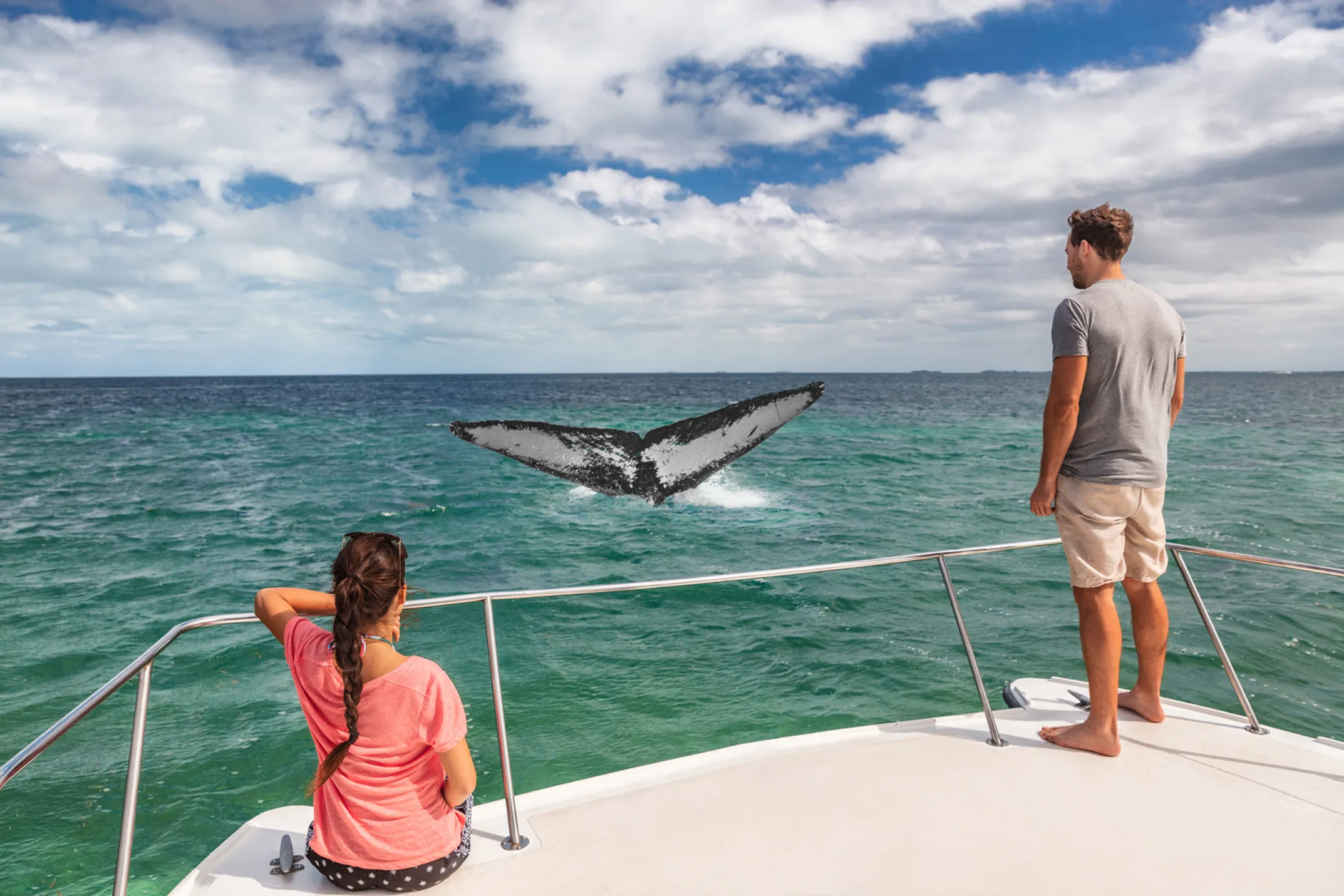
A telephoto lens with at least 200mm reach is essential. Remember, boats must stay 100 yards away, so you need that extra reach to fill the frame.
Consider the Angle
Small boats that sit low to the water provide more dramatic angles for photography. The eye-level perspective makes whales appear more massive and impressive.
Timing and Technique
Watch for Signs
Learn to recognize the subtle signs that a whale is about to breach. Often, there's increased activity below the surface, or you might see the whale's head or back arch before the full breach.
Focus on the Water
Pre-focus your camera on the spot where you last saw whale activity. This saves precious seconds when the action happens.
Don't Forget the Environment
While the whale is the star, don't forget to capture some wider shots that show the beautiful Hawaiian backdrop of mountains and coastline.
Be Patient
The best whale photos require patience. Be ready to wait and keep your camera ready at all times.
Advanced Photography Tips
Composition
Use rule of thirds and include environment for storytelling
Challenging Conditions
Protect gear from spray, use fast shutter for boat movement
Post-Processing
Enhance contrast, saturate blues, sharpen carefully
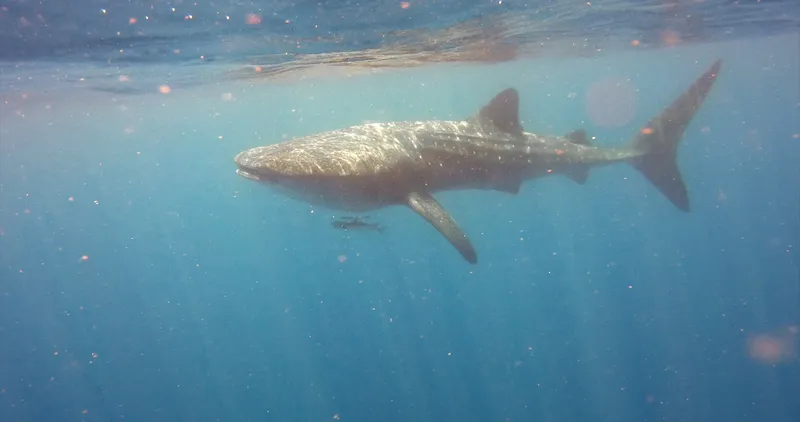
Perfect underwater photography composition - this whale shark demonstrates the kind of stunning marine life encounters that make Hawaiian waters a photographer's paradise, where patience and respect yield incredible results.
Understanding Hawaiian Whale Culture and Mythology
Ancient Wisdom, Sacred Connections
The relationship between Native Hawaiians and whales runs deep, woven into the very fabric of island culture and spirituality. Understanding this connection adds profound meaning to your whale watching experience.
Whales as Aumākua
In Hawaiian tradition, some families consider whales to be aumākua—family guardian spirits that take animal form. These spiritual guardians are believed to watch over and protect family members, offering guidance and assistance in times of need.
For families with whale aumākua, the annual return of the humpbacks is not just a natural phenomenon but a spiritual homecoming.
Kanaloa and the Ocean Connection
The god Kanaloa is one of the four major Hawaiian deities, representing the ocean and all its creatures. Whales are often seen as manifestations of Kanaloa's power and presence.
This divine connection explains why traditional Hawaiian culture has always emphasized respect for marine life and the ocean environment.
Traditional Chants and Songs
Many traditional Hawaiian chants (oli) and songs (mele) reference whales and their behaviors. These cultural expressions served not only as entertainment but as ways to pass down knowledge about whale migration patterns, behaviors, and the proper way to interact with these magnificent creatures.
The famous chant "E Ho Mai" is often sung at the beginning of ocean journeys, asking for safe passage and respectful encounters with all marine life, including whales.
Modern Cultural Preservation
Today, many Native Hawaiian practitioners continue to honor these traditions. Some whale watching tour operators begin their trips with traditional chants or blessings, acknowledging the spiritual significance of the encounter and asking for permission to observe these sacred animals.
This cultural foundation is why the concept of mālama ʻāina (caring for the land and sea) is so central to responsible whale watching in Hawaii. It's not just about following regulations—it's about approaching these creatures with the reverence and respect they deserve as spiritual beings and integral parts of the Hawaiian ecosystem.
The Science Behind Whale Song
Nature's Most Mysterious Symphony
One of the most mysterious and beautiful aspects of humpback whales is their complex songs. These haunting melodies have captivated scientists and ocean lovers for decades, and recent research has revealed fascinating insights into this underwater symphony.
The Structure of Whale Song
Humpback whale songs are incredibly complex musical compositions. A single song consists of a series of themes, each theme made up of phrases, and each phrase containing individual sounds or "units." A complete song can last 10-30 minutes, and whales often repeat the same song for hours on end.
What makes these songs even more remarkable: All male humpbacks in the North Pacific sing the same song during a given season, but the song gradually changes over time. By the end of the season, the song may be completely different from how it started.
The Purpose of Song
While scientists still debate the exact purpose of whale song, the leading theories include:
Mating Display
Since only males sing, and singing is most intense during breeding season, the songs likely serve as a way to attract females or establish dominance among males.
Long-Distance Communication
Whale songs can travel for miles underwater, potentially allowing whales to communicate across vast distances in the ocean.
Navigation Aid
Some researchers believe the songs might help whales navigate during their long migrations, using sound to map their underwater environment.
Listening to Whale Song
Many whale watching tours now carry hydrophones—underwater microphones that allow passengers to listen to whale songs in real time. The experience of hearing these ethereal melodies while watching whales surface around your boat is truly otherworldly.
The songs sound like a combination of moans, cries, and chirps, rising and falling in pitch with an almost musical quality. Some people describe them as haunting, others as beautiful, but everyone agrees they're unlike anything else in nature.
Whale Watching Etiquette: Beyond the Legal Requirements
While federal laws establish minimum requirements for whale watching, true respect for these animals goes beyond what's legally required. Here's how to be a model whale watcher.
🚤 On the Boat
- • Move quietly to avoid startling whales
- • Share viewing spots with other passengers
- • Listen to crew guidance about whale behavior
- • Stay seated when asked for boat stability
📷 Photography Ethics
- • Don't use flash - it can disturb marine life
- • Avoid drones - they're illegal near whales
- • Share the view while getting your shot
- • Be considerate of families with children
🌊 Environmental Responsibility
- • Pack out everything - even biodegradable items like apple cores. What seems harmless to you might be harmful to marine life
- • Use reef-safe sunscreen only
- • Minimize plastic use to protect ocean life
- • Respect the ocean environment
Continue Your Whale Watching Journey
Explore conservation efforts and advanced planning strategies
🐋 Whale Season Info
- Peak Season: Jan - Mar
- Best Months: Feb - Mar
- Tour Duration: 2.5-4 hours
- Price Range: $75 - $150+
- Success Rate: 95%+ in season
🎒 What to Bring
- Reef-safe sunscreen
- Polarized sunglasses
- Camera with zoom lens
- Motion sickness medication
- Binoculars (for shore viewing)
- Layers for weather
📍 Best Shore Viewing
2-mile paved hike with panoramic views
Drive-up lookout with sea cliff views
Rugged hike, fewer crowds
⚖️ Marine Protection Laws
- 100-yard rule: Vessels must stay 100+ yards away
- No swimming: Never attempt to swim with whales
- Aircraft: Minimum 1,000 feet altitude
Report violations: (888) 256-9840
📖 Complete Guide
📧 Whale Alerts
Get notified about peak whale activity and exclusive tour discounts.
Ready for Your Oahu Whale Adventure?