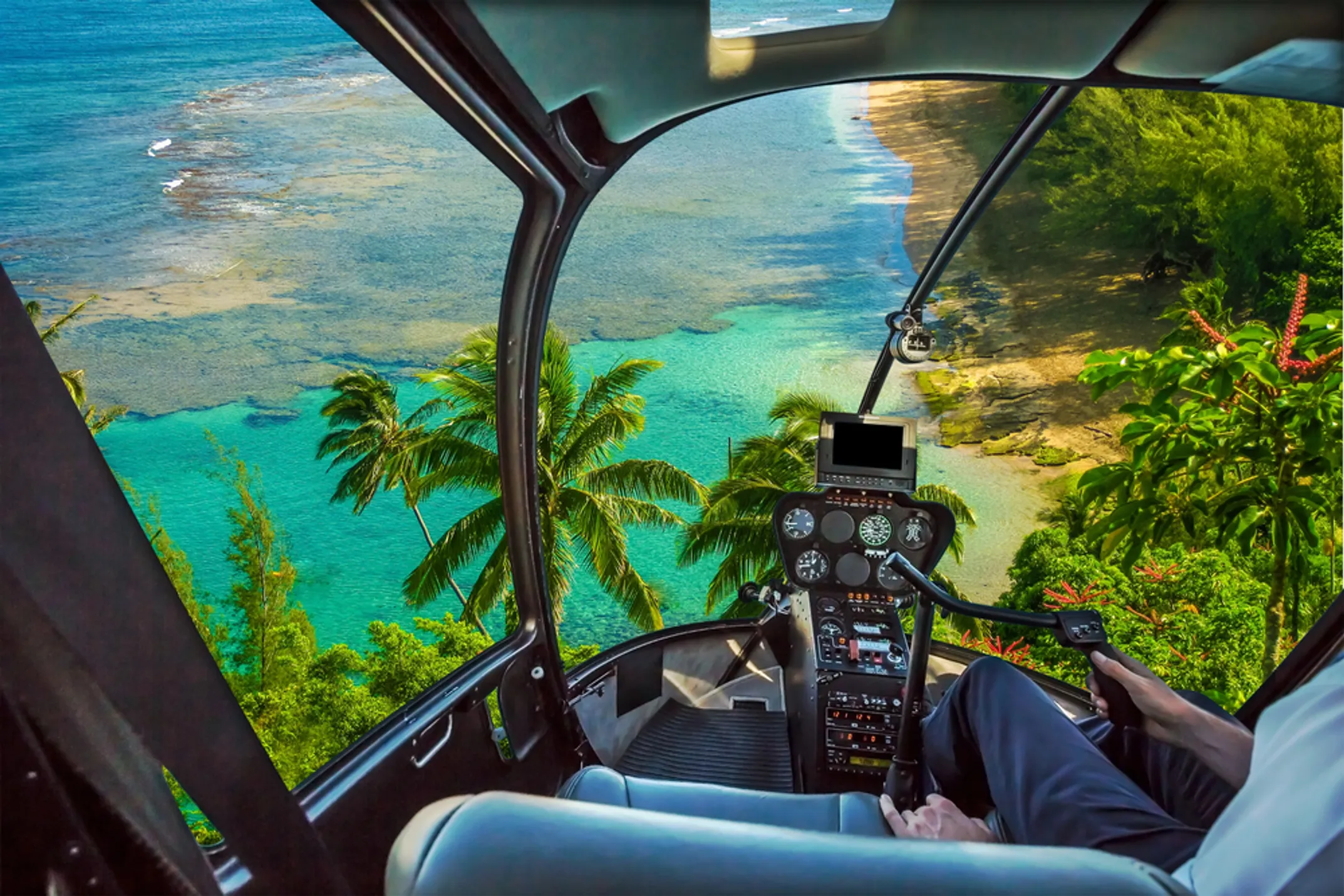
The Complete Lanai FAQ
Everything You Need to Know About Hawaii's Most Exclusive Island
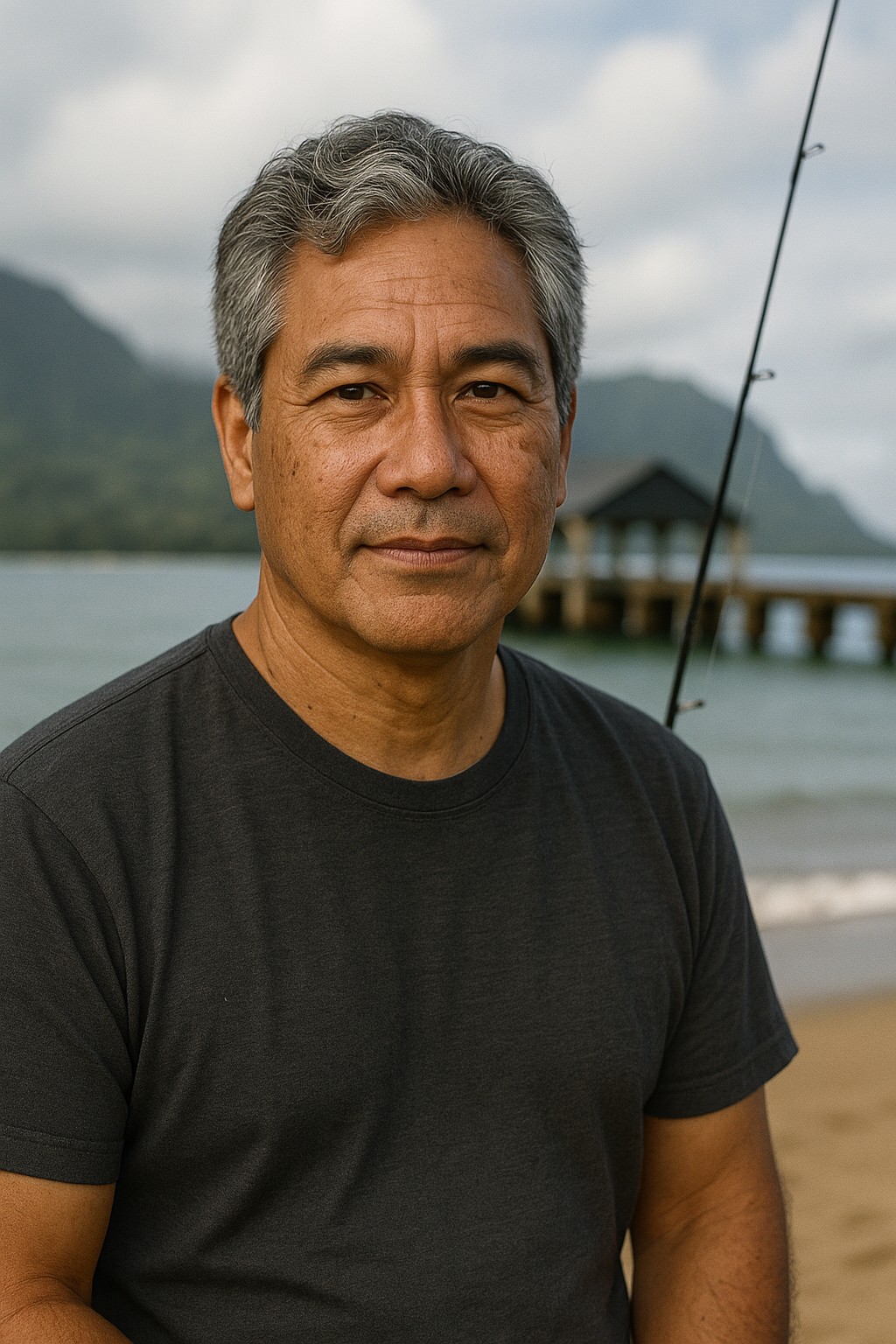
Written by a Local Hawaii Expert
Kalani MillerYour Complete Guide to Lanai
The sound of slack-key guitar drifting on the trade winds, the rhythmic crash of waves against ancient lava rock, the sweet scent of plumeria mixing with salt air—these are the sensory threads that weave through my daily life here on Kauai, and they're the same elements I try to bring into every story I share.
Aloha! I'm Kalani Miller, and for years, I've had the privilege of calling these islands home. One of the questions I get most often, from friends visiting the mainland and even locals on other islands, is about Lanai. People see the stunning photos, they hear the stories about the "Private Island," and they wonder, "Is it really for me?" It's a place shrouded in a bit of mystery, and that's part of its charm.
This page is my answer to all those questions and more. I'm going to walk you through everything—the big-picture questions that help you decide if Lanai is your kind of paradise, the nitty-gritty logistics of getting there and getting around, and the little secrets that turn a good trip into an unforgettable one. Think of this as the same conversation we'd have over a cup of coffee at a local spot. My goal is to demystify Hawaii's most exclusive island and help you plan a trip that truly connects you to its unique soul. Let's dive in.
This comprehensive FAQ is organized into easy-to-navigate sections. Use the navigation buttons below to explore specific topics, or read through each section to get the complete picture of what makes Lanai so special.
The Big Picture: Understanding Lanai's Soul
Is Lanai really worth visiting?
I get this question all the time, and my honest answer is always the same: yes, but it's not for everyone. Lanai's magic is potent, but you have to be the right kind of traveler to appreciate it. If you're looking for the vibrant energy of Waikiki, with its bustling nightlife and endless shopping, or the resort-lined shores of Ka'anapali on Maui, Lanai might feel too quiet, too slow.
So, who is the ideal Lanai visitor? It's someone who finds luxury in solitude and adventure in the unpaved path. It's for the traveler who craves a genuine escape from commercialism, a place where there isn't a single traffic light to rush you along. If your idea of a perfect day involves exploring a rugged, red-dirt road to find a deserted beach, followed by a world-class meal, then Lanai is absolutely worth it. The island offers this incredible duality: you can experience the pinnacle of five-star luxury at the Four Seasons resorts and then, just miles away, feel like the only person on earth in its wild, untouched landscapes.
I always tell people, Lanai's value is in its contrasts, and you're not just paying for what's there; you're investing in what isn't. You are paying for the absence of crowds, the lack of noise, and the freedom from a packed itinerary. It's a place that gives you space to breathe and reconnect—with nature, with your travel companions, and with yourself. If that sounds like paradise to you, then yes, Lanai is more than worth it.
What is Lanai best known for?
To understand Lanai, you need to know its two nicknames, because they tell the story of its past and its present. For most of the 20th century, Lanai was known as "The Pineapple Isle." In 1922, a visionary businessman named James Dole purchased nearly the entire island for $1.1 million and transformed it into the world's largest pineapple plantation. At its peak, this small island was producing over 75% of the world's pineapples, shipping them out from the purpose-built Kaumalapau Harbor. This era didn't just shape the land; it built the community. The charming town of Lanai City, with its neat grid of streets surrounding Dole Park, was master-planned for the plantation workers who came from Japan, the Philippines, Korea, and beyond. Today, it stands as the last intact plantation town in all of Hawaii, a living monument to that history.
When the pineapple industry declined in the 1980s and 90s, the island began its transformation into what it's known as today: "The Private Island." This identity was cemented in 2012 when tech billionaire Larry Ellison purchased 98% of Lanai. His vision has been one of sustainable luxury, focusing on high-end tourism and conservation. This has centered the island's modern identity around its two world-class Four Seasons resorts, which offer unparalleled privacy and exclusivity. The history of Lanai is unique because its destiny has largely been guided by a single, centralized vision—first Dole's agricultural empire, now Ellison's luxury retreat. This is why the island feels so cohesive and different from the piecemeal development of other islands. It hasn't just been developed; it has been carefully cultivated. To truly appreciate this journey, I highly recommend a visit to the Lanai Culture & Heritage Center in Lanai City.
How is Lanai different from Maui, Kauai, or Oahu?
I like to think of the main Hawaiian islands as having distinct personalities. If you're trying to choose, it helps to know which one matches your own.
Lanai vs. Oahu: This is the most dramatic comparison. Oahu is "The Gathering Place," and it lives up to its name. It's home to Honolulu, a bustling, cosmopolitan city with world-famous nightlife, shopping, and, yes, traffic. With a population of nearly one million, it's the energetic center of Hawaii. Lanai is its polar opposite. It's a quiet, rural sanctuary with a tight-knit community of just over 3,000 people. The loudest sound you'll hear in Lanai City is the wind rustling through the tall Cook pine trees. If Oahu is a vibrant metropolis, Lanai is a secluded country estate.
Lanai vs. Maui: Many people visit Lanai from Maui, so they know the "Valley Isle" well. Maui strikes a balance between resort life and natural wonders, but it is significantly more developed and crowded. Think of the traffic on the Road to Hana or the bustling beaches of Ka'anapali. Lanai feels like a more exclusive, distilled version of Maui's most serene parts. It offers that same stunning view across the channel but without the crowds. It's where you go when you want the beauty of Maui but with the volume turned all the way down.
Lanai vs. Kauai: Kauai is the "Garden Isle," a nickname it earns with its incredibly lush, green, and often wet landscapes. It's defined by the dramatic cliffs of the Na Pali Coast and the deep, verdant chasms of Waimea Canyon. Lanai, by contrast, is much more arid and volcanic. Its beauty is rugged and raw, found in the windswept, red-earth landscapes of Keahiakawelo and the vast, dry plains dotted with thorny kiawe trees. While Kauai's beauty is often shrouded in mist and rain, Lanai's is baked in sunshine, offering a different kind of pristine, wild nature.
When I try to explain the difference, I often talk about the sensory experience. On Oahu, you feel the pulse of the city. On Kauai, you smell the rain and the flowers. On Lanai, you feel the sun and the wind, and you hear the profound quiet.
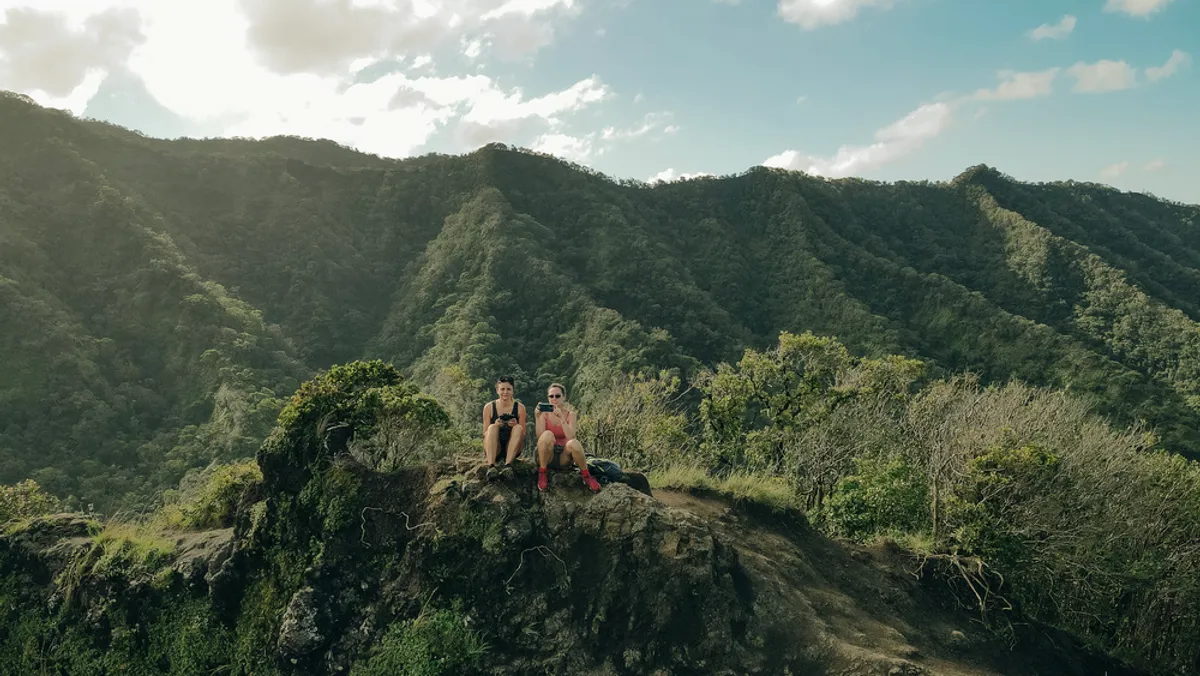
Explore the Complete Lanai FAQ
Dive deeper into specific topics to plan your perfect Lanai adventure.
ℹ️ Quick Facts
- Population: ~3,000
- Size: 141 sq miles
- Nickname: Private Island
- Main Town: Lanai City
- Airport Code: LNY
📋 FAQ Sections
📅 Best Time to Visit
- Spring Apr-Jun
- Summer Jun-Aug
- Fall Sep-Nov
- Winter Dec-Mar