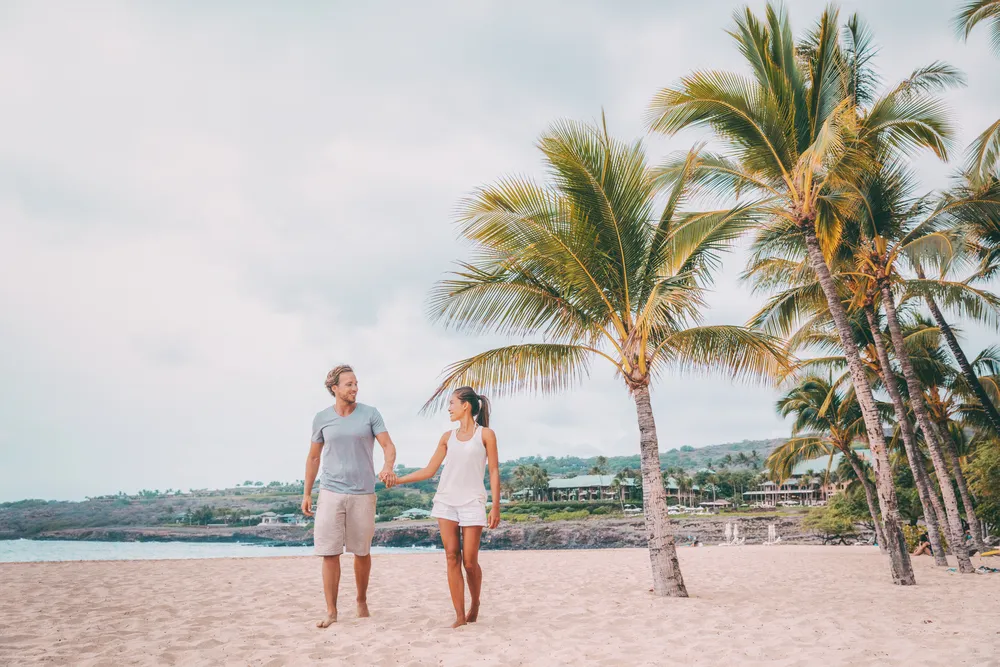
Hulopoe Bay: Lanai's Protected Paradise
Swim with spinner dolphins in pristine waters, explore legendary tide pools, and discover the sacred story of Sweetheart Rock
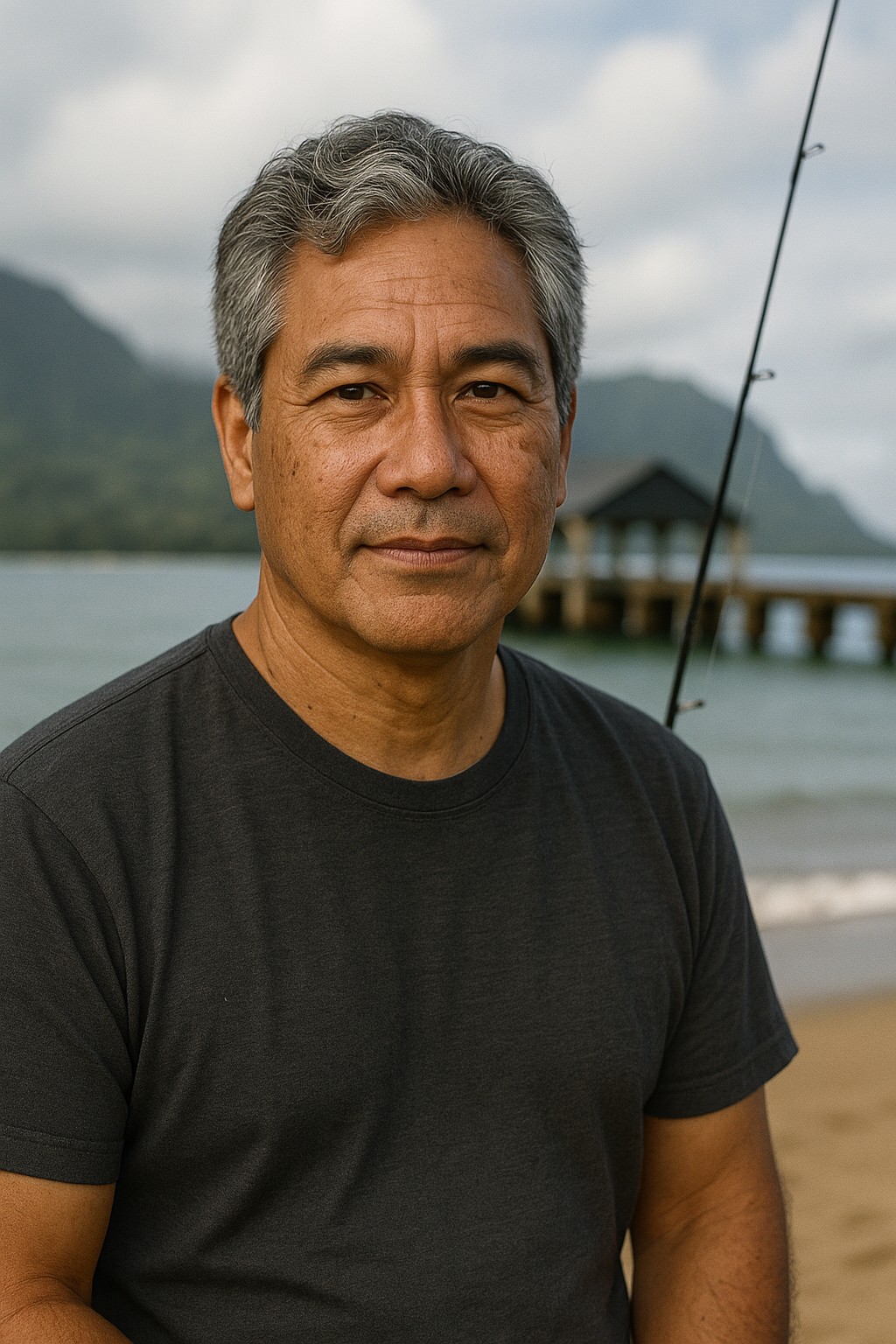
Written by a Local Cultural Guide
Kalani MillerA Sacred Place of Incredible Mana
Aloha mai kākou. My name is Kalani Miller, and I have the privilege of sharing the stories of our islands with you. Of all the places I've been blessed to know, few hold the same kind of mana, or spiritual energy, as Hulopoe Bay on the island of Lanai.
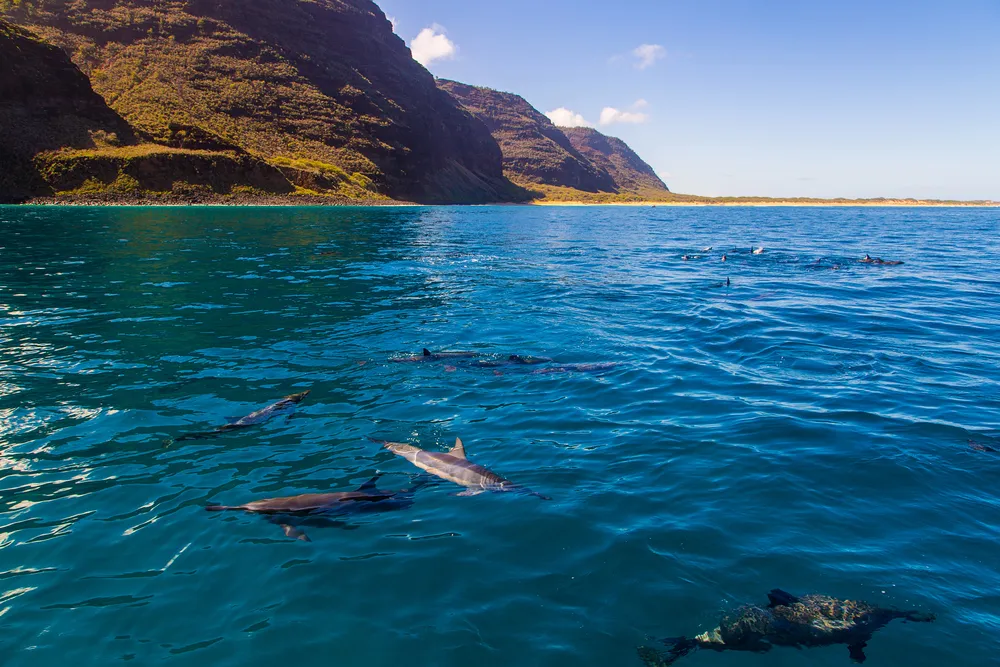
I remember the first time my tūtū (grandfather) took me here. The sun was just peeking over the rust-colored cliffs of Puʻu Pehe, and a pod of naiʻa, spinner dolphins, began leaping from the water as if to greet the morning. He put his hand on my shoulder and told me, "This place, it has a special life. It gives us so much, so we must always give back." That lesson has stayed with me my entire life.
Hulopoe is far more than just Lanai's most beautiful beach, a title it has rightfully earned. It is a wahi pana, a storied place, a thriving marine sanctuary, and a window into the heart of Lanai. It's a place where you can witness the vibrant dance of life beneath the waves, explore miniature universes in ancient tide pools, and feel the weight of history in the legends whispered on the wind.
This story is my invitation to you. I want to share not just what to do at Hulopoe Bay, but how to experience it with the deep respect and appreciation it deserves, so that you too can feel its incredible mana.
ℹ️ Quick Info
- Location: South Lanai
- Beach Type: Protected Bay
- Best For: Snorkeling
- Facilities: Full Amenities
- Parking: Free
- Lifeguards: None
📖 Explore Hulopoe Bay
📅 Best Times
Early morning, summer
Morning hours
Low tide (check chart)
A Protected Treasure: The Mānele-Hulopoʻe Marine Life Conservation District
When you step onto the pearl-white sand at Hulopoe, you're entering more than just a park. You're a guest in one of Hawaii's most precious marine nurseries. In 1976, the waters of this coastline were officially designated as the Mānele-Hulopoʻe Marine Life Conservation District (MLCD), a protected area spanning 309 acres. This designation is the reason the bay teems with such abundant and trusting marine life.
Understanding the rules of the MLCD isn't about limitations. It's about participating in the protection of this paradise.
The district is divided into two sections, and Hulopoe Bay itself falls within the most protected area, known as Subzone A. This zone extends from the highwater mark out to a line connecting Kaluakoʻi Point, Flat Rock, and the iconic Puʻu Pehe Rock. The regulations here are clear and strict, designed to create a true sanctuary.
The Sacred Trust: What Every Visitor Must Know
As a frequent visitor who brings my own keiki here regularly, I can tell you that following these rules is the first and most important step in practicing mālama ʻāina (caring for the land). These rules are enforced, and violations are considered a petty misdemeanor with fines starting at $250 and increasing for subsequent offenses.
🚫 Take Nothing, Harm Nothing
It is strictly illegal to fish for, take, or injure any marine life, including eggs. This protection extends to the physical environment as well. You may not take or alter any sand, coral, rocks, or shells. "Take only pictures, leave only bubbles."
🎣 No Fishing Gear
With one specific exception for shoreline pole-and-line fishing in other parts of the MLCD, no fishing gear of any kind is permitted in the water within Hulopoe Bay.
⚓ A Boat-Free Sanctuary
No motorized or anchored vessels are allowed to operate, anchor, or moor within Subzone A. The only exception is for manually-propelled Hawaiian outrigger canoes, which may pass through but cannot anchor.
🍞 Do Not Feed the Fish
It is prohibited to introduce any food or other substances into the water to feed or attract marine life. This disrupts their natural behaviors and the delicate balance of the reef ecosystem.
A Story Written in Stone and Sea: Conservation Beyond the Shoreline
The incredible clarity of the water and the health of the coral you see at Hulopoe are not just the result of these marine-based rules. The protection of this bay is a testament to a holistic, island-wide conservation philosophy that connects the land (mauka, toward the mountain) to the sea (makai, toward the ocean).
Recently, a massive conservation project installed a 3.75-mile fence across 940 acres of the land sloping down towards the bay. The purpose of this fence is to remove invasive axis deer and mouflon sheep, which have overgrazed the landscape for decades. This overgrazing has led to significant soil erosion, causing sediment to wash down into the bay during heavy rains. This runoff smothers the coral reef, degrades water quality, and buries important cultural sites.
By fencing the area and allowing native vegetation to regrow, conservationists are directly reducing the sediment flow into the MLCD. This is a powerful, tangible example of mālama ʻāina in action. The health of the land and the health of the sea are inextricably linked, and the thriving ecosystem you enjoy at Hulopoe is a direct result of this comprehensive, mauka-to-makai stewardship.
Because of these decades of protection both on land and in the water, Hulopoe Bay stands as a shining example of a successful marine preserve. The fish populations are robust, the coral is healthy, and the animals show little fear of humans, creating the world-class snorkeling conditions that make this bay a true natural treasure.
The Complete Snorkeling Experience: Swimming in a Living Aquarium
Snorkeling in Hulopoe is like being invited to a vibrant underwater party where you're the honored guest. The key is knowing where to go and who you'll meet. The bay is widely considered the best snorkeling spot on Lanai, with water depths ranging from a comfortable 6 to 22 feet, making it perfect for nearly every skill level.
Conditions are generally calmest during the summer months and in the mornings throughout the year, before the afternoon trade winds pick up. Let me be your personal water navigator. The best spot, where I always take my family, is just off the left (eastern) side of the beach as you face the ocean.
Reading the Water: Understanding Hulopoe's Layout
To make the most of your time, it helps to understand the layout of the bay like a local fisherman would. The easiest and safest entry point for beginners is directly from the main sandy beach. The center of the bay has a sandy bottom, perfect for getting comfortable with your gear and building confidence in the water.
For more experienced snorkelers, the real magic happens along the rocky lava ledges that frame the bay on both the eastern and western sides. This is where the coral reef is most abundant and the fish congregate in the greatest numbers.
Picture it this way: the beach park sits at the top like a crescent moon. The sandy center is your "Beginner Zone" where families can play safely. Along the left and right edges are the "Intermediate and Advanced Zones," where the reef thrives and experienced snorkelers can explore deeper waters. And tucked into the far left corner, you'll find the famous tide pools that deserve their own exploration.
Meeting the Neighbors: Your Underwater ʻOhana
The sheer diversity of life here is astounding, a direct result of the bay's protected status. The healthy coral reef system, composed of species like Rice Coral (Montipora), Cauliflower Coral (Pocillopora), and massive Lobe Coral (Porites), provides the foundation for this bustling underwater community.
Remember, coral is a fragile living animal. Please admire it without touching or standing on it. Here's your field introduction to some of the incredible residents you are likely to meet:
🐠 Parrotfish (Uhu)
These large, often brilliantly colored fish are the architects of the reef. You can often hear the distinct crunching sound of their beak-like mouths scraping algae off the coral. They're like underwater landscapers, constantly reshaping their world.
🟡 Yellow Tang (Lauʻīpala)
A quintessential Hawaiian reef fish, these bright yellow, disc-shaped beauties often travel in dazzling schools, adding a splash of sunshine to the underwater landscape. When you see a school of them, it's like swimming through liquid gold.
🦓 Convict Tang (Manini)
Easily identified by their silvery-white bodies and black vertical stripes, like an old-fashioned prison uniform. They are commonly seen grazing on algae in large schools, moving across the reef like a well-organized cleaning crew.
🦋 Raccoon Butterflyfish (Kīkākapu)
Named for the distinctive black "mask" over its eyes, this yellow-orange fish is a common and beautiful sight, often seen flitting among the coral branches like a tropical butterfly.
🐟 Reef Triggerfish (Humuhumunukunukuāpuaʻa)
Hawaii's official state fish! This triggerfish has a unique, angular body, vibrant blue and yellow markings, and a personality as big as its name. Spotting one is always a highlight for visitors and locals alike.
🐢 Green Sea Turtle (Honu)
These ancient, graceful reptiles are a sacred sight in Hawaiian waters. You may see them gliding effortlessly through the bay or resting peacefully on the sandy bottom. It is a profound gift to share the water with them, and they command our deepest respect.
🐬 Spinner Dolphin (Naiʻa)
Hulopoe Bay is a known resting place for pods of spinner dolphins. They often enter the bay in the mornings, and their acrobatic leaps are an unforgettable spectacle. They are here to rest and recover, so please admire them from a respectful distance.
Water Safety and Ocean Respect: Lessons from a Local Father
Your safety and the safety of the marine life are paramount. Please remember there are NO lifeguards on duty at Hulopoe Beach. Always check the ocean conditions before entering. While usually calm, the winter months can bring high surf and strong currents. The best practice is to always snorkel with a buddy.
🧴 Reef-Safe Sunscreen
Use only reef-safe sunscreen. Chemicals in regular sunscreen are toxic to coral reefs and can destroy the very ecosystem you've come to admire.
📏 Give Wildlife Space
Never touch, chase, or harass any marine life. Federal law protects sea turtles and marine mammals. Observe them quietly from a respectful distance of at least 10 feet.
🐌 Move Slowly
Move slowly and deliberately in the water. Quick movements can startle fish and disrupt their natural behaviors. Remember, you're a visitor in their world.
Discover More of Hulopoe Bay
From legendary tide pools to the sacred story of Sweetheart Rock, explore every corner of this protected paradise.