
The northern part of Lānaʻi is a wild, windswept landscape of red earth and ancient stories. This is where your 4x4 becomes your key to unlocking some of the most dramatic and sacred sites in Hawaiʻi. The journey here is an adventure in itself, a pilgrimage into a land that feels untouched by time.
The legends of Lānaʻi are not just quaint stories. They are ancient frameworks for understanding the island's unique and sometimes harsh geology. The landscape you see is the physical evidence of the stories. The barren, windswept nature of Keahiakawelo is a direct result of a priest's desperate act, and the towering rock of Puʻupehe is a tomb because a grief-stricken warrior made it so. To visit these places is to step into the legend itself.
The Drive to Keahiakawelo (Garden of the Gods)
The journey begins on the paved road leading north from Lānaʻi City, which soon gives way to the unpaved Polihua Road. For the next 45 minutes, you will navigate a bumpy, winding red-dirt trail through groves of ironwood trees. The landscape gradually becomes more arid and open until you arrive at a place that feels like another planet.
The drive itself is part of the experience. As you leave the pine-covered hills around Lānaʻi City, the vegetation changes dramatically. The lush greenery gives way to scrubland adapted to the drier conditions. Kiawe trees, introduced during the ranching era, dot the landscape with their distinctive thorny branches and small leaves.
The road can be challenging, especially after recent rains. Deep ruts and loose rocks require careful navigation and a steady pace. This is not a drive to rush. Take time to stop at scenic overlooks and appreciate the changing landscape. The journey is as important as the destination.
Wildlife sightings are common along this route. Axis deer, introduced in the 1950s, often graze in open areas. These beautiful animals have adapted well to Lānaʻi's climate and can sometimes be seen in large herds. Wild turkeys also inhabit this area, and their calls often echo across the landscape.
As you climb higher, views of the neighboring islands begin to appear. On clear days, you can see Molokaʻi's sea cliffs rising dramatically from the ocean. The channel between the islands often shows white caps, evidence of the strong trade winds that shape this region's climate.
Keahiakawelo: Where Fire Met Earth
Keahiakawelo, the Garden of the Gods, is a vast, lunar-like rock garden. Thousands of years of wind erosion have sculpted the red earth and scattered boulders into an array of mysterious spires and formations. The scene is at its most magical in the golden light of early morning or late afternoon, when the setting sun ignites the rocks in brilliant shades of red, orange, and purple.
From this high elevation, you are rewarded with breathtaking views of our neighbor islands, Molokaʻi and, on a clear day, even Oʻahu. The perspective from here emphasizes Lānaʻi's position in the island chain and provides context for understanding its geological formation.
The Legend of Keahiakawelo
As a storyteller, this place holds a special power. Its Hawaiian name, Keahiakawelo, means "the fire of Kawelo." The name comes from a legend of a great contest between the kahuna of Lānaʻi and Molokaʻi. Each was challenged to keep a sacred fire burning on their respective island longer than the other. The Lānaʻi priest, Kawelo, seeing his fire begin to fade, desperately used every last piece of vegetation in this area as fuel. He won the contest, but in doing so, left the land barren forever. It's a powerful reminder of sacrifice and consequence.
The geological reality behind the legend is equally fascinating. This area represents some of the oldest exposed rock on Lānaʻi, dating back millions of years to the island's volcanic formation. The red color comes from iron oxide in the rock, which has been exposed and oxidized over countless centuries of weathering.
The rock formations here take on fantastical shapes that spark the imagination. Some visitors see animals, faces, or architectural structures in the wind-carved stone. The formations change appearance throughout the day as shadows shift and light plays across their surfaces.
This is a sacred place. It is kapu (forbidden) to move, stack, or alter the rocks in any way. Please, leave this divine garden exactly as you found it. This is not just about respect for Hawaiian cultural traditions, but also about preservation. Each rock has been shaped by thousands of years of natural processes, and human interference disrupts these ancient patterns.
The area around Garden of the Gods offers several walking trails that allow closer exploration of the formations. These trails are not marked or maintained, so proceed carefully and always stay within sight of the main viewing area. The rocks can be sharp and unstable, making proper footwear essential.
Sunset at Garden of the Gods is particularly spectacular. The western exposure provides unobstructed views of the sun setting over the Pacific. As the sun drops toward the horizon, the rocks seem to glow from within, creating an almost supernatural atmosphere. Many visitors consider sunset here among the most beautiful they've ever witnessed.
The Ultimate Seclusion of Polihua Beach
For the truly adventurous, the journey does not end at Keahiakawelo. The dirt road continues, becoming even more rugged and challenging for another 30-45 minute drive to the island's northernmost tip. The final two miles are particularly rough, demanding careful navigation.
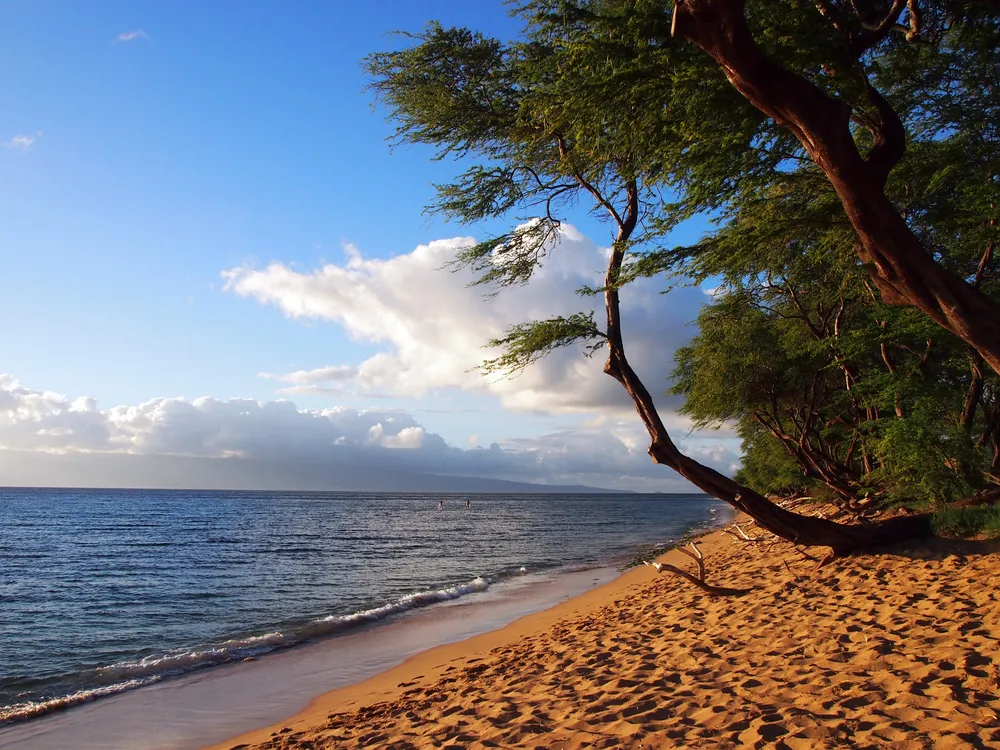
Your reward for this difficult trek is Polihua Beach, a stunning and often completely deserted 1.5-mile stretch of pristine white sand. This is the definition of solitude. It is a place to walk, to picnic, to feel the immense power of the ocean, and to be utterly alone with nature.
The beach faces northwest, directly into the Kalohi Channel that separates Lānaʻi from Molokaʻi. The exposure to open ocean swells creates dramatic wave action that is mesmerizing to watch but dangerous to enter. The beach's name, Polihua, means "eggs in the bosom," referring to the Hawaiian green sea turtles that nest here.
Turtle nesting season typically runs from May through September, with peak activity in June and July. If you're fortunate enough to visit during this time, you might see evidence of nesting activity. Look for distinctive tracks in the sand leading from the water to the dunes, where females dig nests for their eggs.
The beach offers incredible opportunities for beachcombing. The open ocean exposure means that currents deposit interesting items here from across the Pacific. You might find glass fishing floats from Japan, unusual shells, or pieces of driftwood sculpted by years in the sea. Remember to look but not take, as this area is protected habitat.
Photography at Polihua Beach offers unique opportunities. The combination of white sand, deep blue ocean, and often dramatic sky creates striking compositions. The beach's remote location means you can often photograph pristine shoreline without any evidence of human presence.
The isolation of Polihua Beach makes it perfect for meditation and reflection. The sound of crashing waves, the feel of trade winds, and the vast expanse of ocean create a natural cathedral for contemplation. Many visitors describe profound spiritual experiences here, connected to the raw power and beauty of nature.
⚠️ CRITICAL SAFETY WARNING
DO NOT SWIM AT POLIHUA BEACH. The beach is fully exposed to the powerful, open-ocean currents of the Kalohi Channel. These currents are treacherous and can easily sweep even the most experienced swimmer out to sea. There are no lifeguards or rescue services here. This is a place to admire the ocean from the safety of the shore, not to enter it.
The waves at Polihua can reach heights of 10 feet or more, even on relatively calm days. The undertow is extremely strong, and the bottom drops off quickly just offshore. Local residents treat this beach with great respect and never enter the water for swimming or surfing.
If you want to cool off after the hot, dusty drive, bring plenty of water for drinking and perhaps a spray bottle for misting. The trade winds provide natural cooling, and the shade of your vehicle offers relief from the sun.
ℹ️ Quick Info
- Drive Time: 45 min to Garden
- To Beach: +30-45 min
- Road Type: Rough 4x4 only
- Best Time: Sunrise/sunset
- Swimming: NO - Dangerous
🎒 What to Bring
- ✓ Plenty of water
- ✓ Snacks & picnic lunch
- ✓ Sunscreen & hat
- ✓ Sturdy shoes
- ✓ Physical map
- ✓ Camera
🦌 Wildlife
Often seen in herds
Calls echo landscape
Nest at Polihua (May-Sep)