Exploring Keahiakawelo
A Mindful Visitor's Experience

Written by a Local Cultural Guide
Kalani MillerExploring Keahiakawelo: A Mindful Visitor's Experience
Once you've parked your Jeep and stepped onto the red earth, the real experience begins. This isn't a developed park with marked trails and interpretive signs. It's an open, sacred landscape that invites quiet exploration and personal discovery.
Capturing the Magic: Photography Secrets
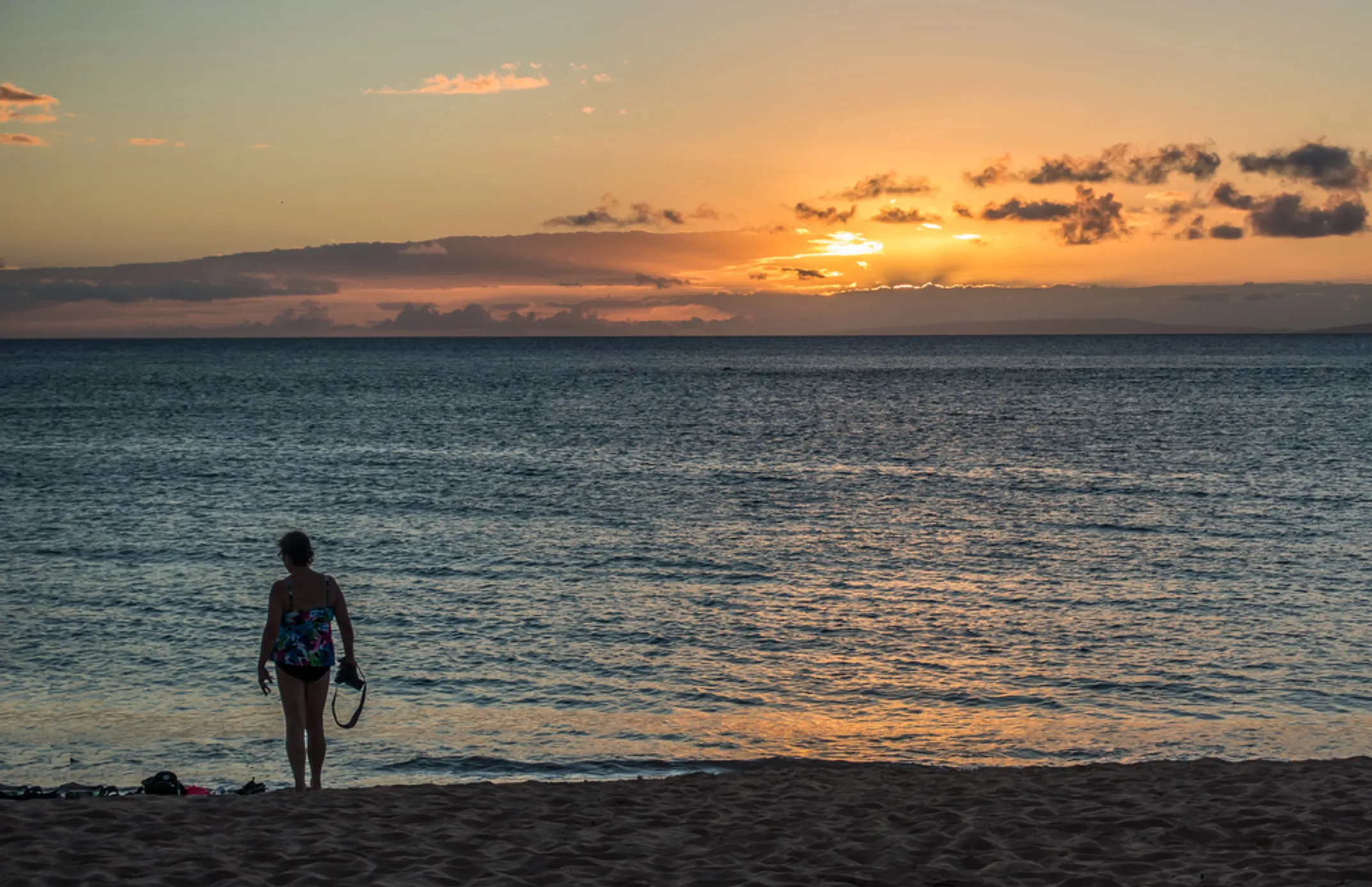
Having co-founded a brand where visuals matter deeply, I understand the power of good light. The best time to visit and photograph Keahiakawelo is during golden hours—the first hour after sunrise or the last hour before sunset.
During these magical times, low-angled sun ignites the iron-rich earth and rocks in fiery shades of red, orange, and purple. Light casts long, dramatic shadows that give the landscape incredible depth and texture. Midday sun, by contrast, can be harsh and wash out colors, flattening the entire scene.
Golden Hour Magic
When composing shots, focus on details that make this place unique. Look for rocks that seem impossibly balanced on one another—testament to erosion's slow, patient work. Use wide, panoramic views of the ocean and neighboring islands of Molokaʻi and Maui as stunning backdrops framing foreground boulders. The contrast between red earth, blue ocean, and green distant islands creates breathtaking compositions.
🌅 Sunrise
Cool, clean light with fewer visitors. Arrive 30 minutes early for setup and initial exploration.
🌄 Sunset
Warm golden tones ignite the red earth. Watch for afternoon clouds that can block dramatic light.
📸 Composition
Include scale references, use leading lines, capture balanced rocks, and frame with ocean views.
Essential Packing Beyond Water
The remoteness and exposure of Keahiakawelo demand complete self-sufficiency. No visitor centers, restrooms, or trash cans exist here. What you bring is all you have.
Proper Footwear
Leave flip-flops in your vehicle. Ground is uneven, rocky, and covered in fine dust. Sturdy, closed-toe shoes or hiking boots are essential for safe, comfortable exploration.
Layered Clothing
Weather can deceive you here. Even on warm days, the area experiences extremely strong winds. Pack a light jacket or windbreaker for when gusts intensify.
Sun Protection
Intense sun combines with virtually no shade. Pack high-SPF, reef-safe sunscreen (protecting our oceans protects the ʻāina), a wide-brimmed hat that won't blow away easily, and quality sunglasses.
Essential Supplies
Bring more water than seems necessary. Pack snacks or a full picnic lunch for enjoying while taking in views. Keep your phone fully charged for navigation and photography—a portable battery pack proves invaluable. Most importantly, bring a dedicated bag for packing out every piece of trash.
Mālama ʻĀina: Sacred Site Etiquette
More important than anything in your pack is the mindset you bring. Visiting any sacred Hawaiian site means accepting the responsibility of Mālama ʻĀina—caring for the land. This core Hawaiian value believes in reciprocal relationship: when we care for the land, the land cares for us in return.
🚫 The Most Important Rule
Do not move, stack, or take any rocks. This cannot be stressed enough. Keahiakawelo is not just a geological wonder—it's a sacred landscape of immense spiritual importance.
In Hawaiian belief, moving or stacking stones disturbs the place's mana, disrespects ancestral spirits that may reside there, and disrupts balance maintained for centuries. Building rock towers or "cairns" is not a local practice and constitutes desecration of the site. Leave every stone exactly as you found it.
🌿 Leave No Trace
Pack out all trash completely. Stay on visible, well-worn paths and roads. The red earth is fragile. Wandering off-trail causes erosion and can damage unseen cultural sites lying just beneath the surface.
🙏 Quiet Contemplation
Find a spot, put your camera away briefly, and simply be present. The eerie silence and constant wind hum are part of the site's spiritual power. Take time to listen, feel, and reflect.
Showing respect through quiet contemplation creates one of the most meaningful ways to connect with sacred ground. The eerie silence and constant wind hum are part of the site's spiritual power.
📖 Page Sections
⏰ Photography Times
6:00-7:00 AM (seasonal)
6:00-7:30 PM (seasonal)
30 min before golden hour
🌺 Mālama ʻĀina
- Never move rocks
- Pack out all trash
- Stay on paths
- Speak quietly
- Take time to reflect
- Leave no trace
📷 Camera Tips
- Metering:
Use spot metering for contrast
- Shutter Speed:
Faster speeds for wind
- Polarizer:
Enhance sky & reduce glare
- Composition:
Use natural leading lines
- Scale:
Include people for size reference
🦌 Wildlife
Early morning & late afternoon
Listen for distinctive calls
Dusk hunting insects