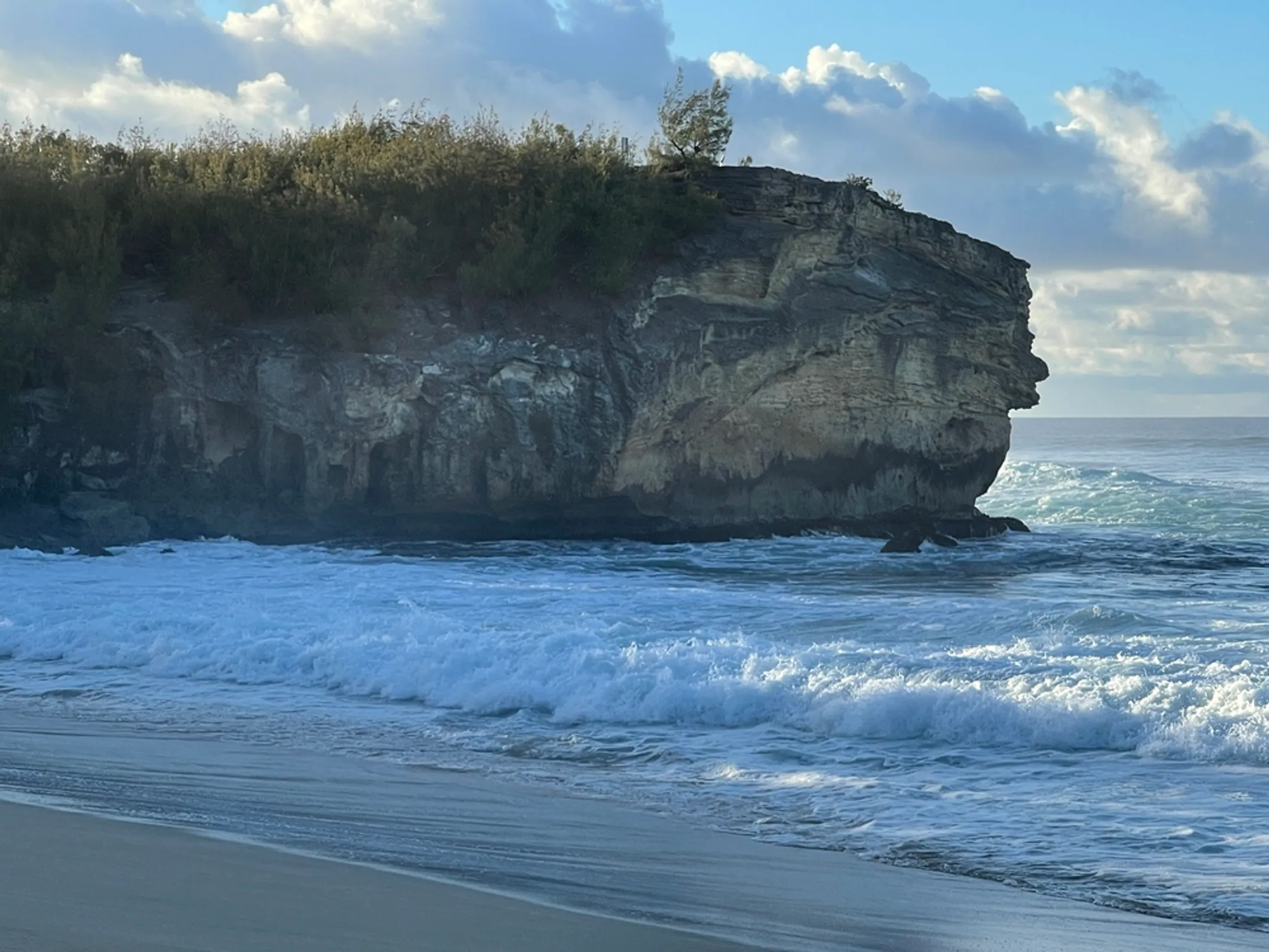
Kaiolohia Shipwreck Beach
The Rugged Road to YOGN-42 and Ancient Petroglyphs
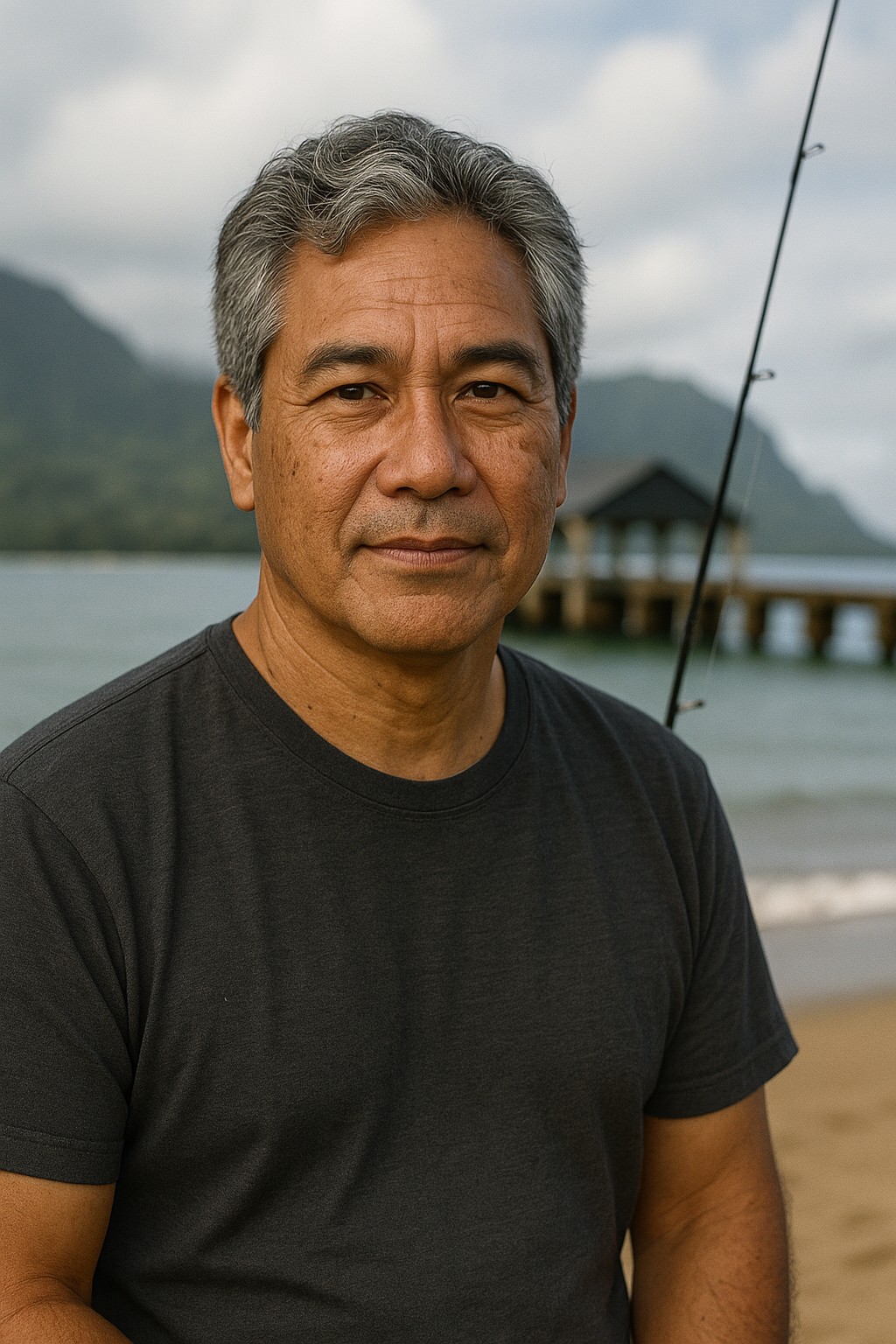
Written by a Local Historian
Kalani MillerWhere the Veil Between Past and Present Feels Thin
There are places in our islands where the veil between past and present feels thin. Places where the raw, elemental forces of nature are the primary storytellers. Kaiolohia, the long, windswept coast on the north shore of Lānaʻi, is one such place. Here, the trade winds, funneled with relentless force through the Kalohi Channel, never seem to rest. They carry the taste of salt and the sound of surf crashing against a shallow, unforgiving reef. Standing sentinel in that surf, a ghost against the majestic backdrop of Molokaʻi and Maui, is the rusted, skeletal hull of a ship from a bygone war.
This is Shipwreck Beach. But to call it a "beach" in the way one thinks of Waikīkī or Hulopoʻe is to miss the point entirely. This is not a place for casual sunbathing or swimming. This is an expedition. The journey to stand on this shore is a test of your vehicle, your preparation, and your resolve. The very forces that make the drive a challenge are the same forces that created this ship graveyard over the course of nearly two centuries.
Aloha, friends. I'm Kalani Miller, and I've been drawn to places like this my whole life. Growing up in Hanalei on Kauaʻi, I learned from my papa that the best stories come from the places where nature still holds sway. Where the modern world hasn't quite tamed the ancient rhythms of wind and wave. Kaiolohia is such a place.
As a historian, I've always been drawn to places where the elements tell the story. Here, at Kaiolohia, the wind and the waves are the primary narrators. They speak of the Kalohi Channel's fury, a power so great that for over a century, mariners chose this coastline as a final resting place for their weary vessels. To get here, you must contend with that same raw nature. This isn't just a drive. It's a pilgrimage to a place where Hawaiʻi's untamed spirit endures.
This story is your map and your history book for that pilgrimage. We will cover every detail, from securing the right vehicle to navigating the treacherous road, mile by mile. We will uncover the true, fascinating stories of the wrecks. Not just the one you can see, but the many others that lie in watery graves. And we will explore how to experience this powerful place safely and with the respect it deserves. The journey is the destination, and it begins long before your tires ever leave the pavement.
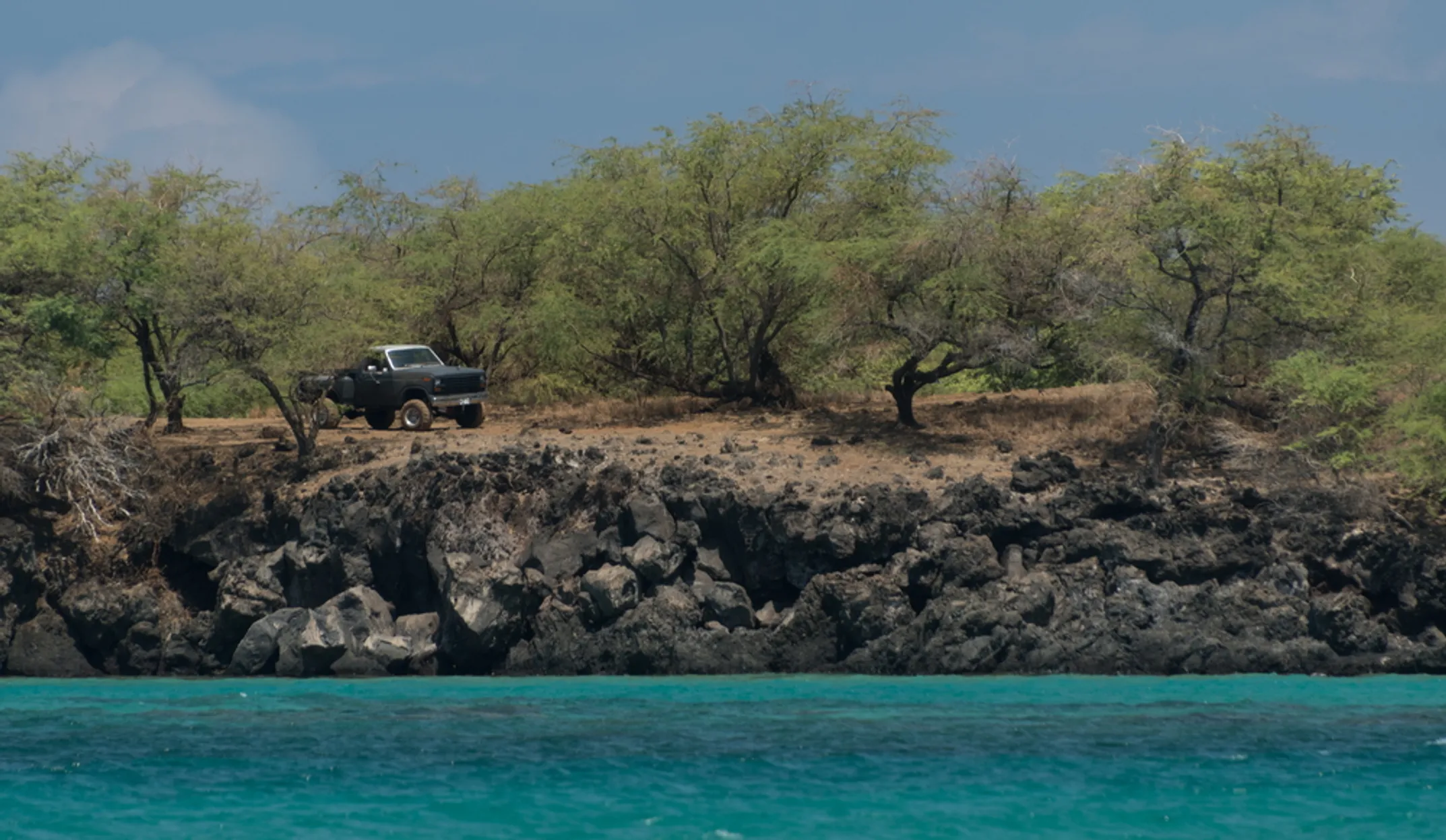
The Journey is the Destination: An Off-Road Odyssey to Kaiolohia
The adventure of Shipwreck Beach begins in Lānaʻi City, with the single most important decision you will make for this trip: your vehicle. This section is designed to be the most comprehensive information available. It ensures you are prepared for every bump, rut, and sandy patch on the road to Kaiolohia.
My papa used to say that respecting the land means coming prepared. That wisdom rings especially true for this journey. The final stretch of road to Kaiolohia demands respect, preparation, and the right equipment.
Gearing Up: Renting Your Lānaʻi 4x4
Let me be clear: a high-clearance, four-wheel-drive vehicle is not a recommendation. It is a mandatory requirement for this journey. The final stretch of road to Kaiolohia is an unpaved, sandy, and often deeply rutted track that is impassable for a standard car. Attempting this drive in anything less than a capable 4x4 is irresponsible. You will almost certainly get stuck, face a significant tow fee, and potentially damage a vehicle you are liable for.
Lānaʻi City is the hub for all vehicle rentals on the island. While options are limited compared to larger islands, there are several excellent local operators. Book your vehicle weeks, or even months, in advance. This is especially important if you are visiting during peak season or planning a day trip from Maui on the Expeditions ferry. Most rental agencies are located in town, and shuttles are available to transport you from Mānele Harbor, where the ferry docks.
Lānaʻi Car Rental
Jeep Wrangler Sahara models for around $175 per day. Age requirement: 25+. Prohibited for hunting use.
Lanai Cheap Jeeps
4-Door Jeeps and Gladiator Trucks for approximately $195 per day. Age requirement: 25+. Paved and graded dirt roads only.
Four Seasons Resorts
4-Seater Jeeps for around $175 per day. Resort guests only. Age requirement: 25+.
The Lānaʻi Contradiction: When you rent your vehicle, you will encounter a fundamental contradiction of the Lānaʻi off-road experience. The island is marketed as a rugged 4x4 paradise. A place to explore wild, unpaved roads. However, the rental agreements you sign are, for sound legal and financial reasons, quite restrictive. Policies often state that renters must stay on "paved and graded dirt roads only." They explicitly forbid driving on beach sand, which is the number one cause of vehicles getting stuck. A tow-out from a remote location like Kaiolohia can cost upwards of $500. You would be entirely responsible for this fee.
Many sources gloss over this critical detail. Understanding it is key to a successful and stress-free adventure. The advice that follows in this story is designed to get you to your destination while respecting these rental agreements. Most importantly, it ensures your safety and the safety of your wallet.
The Drive from Lānaʻi City: A Mile-by-Mile Journey to Shipwreck Beach
The drive from the cool uplands of Lānaʻi City to the windswept coast of Kaiolohia takes approximately 30 to 45 minutes. It covers a world of changing landscapes and road conditions. Think of it in three distinct parts: the paved descent, the critical turnoff, and the final off-road test.
Part 1: The Paved Descent
Your journey begins in the heart of Lānaʻi City. From Dole Park, you will head north on Lānaʻi Avenue, which becomes Highway 440. As you pass the Sensei Lānaʻi, A Four Seasons Resort, the road becomes Keōmoku Road, also signed as Highway 430. This initial leg of the trip covers approximately 7 to 8 miles on a well-maintained, paved road that winds its way down from the island's central plateau towards the sea.
As you descend, the landscape transforms dramatically. The misty heights of the Cook pines give way to a drier, more arid environment. The road serpentines down the mountainside, and the views are nothing short of breathtaking. On your left, you will be treated to sweeping panoramas of the Kalohi Channel. The entire 38-mile coastline of Molokaʻi stretches out before you like an ancient tapestry. To your right, the majestic peak of Haleakalā on Maui rises from the ocean like a sleeping giant.
There are several lookouts along this stretch. I highly recommend pulling over to take in the view and snap some photos before the driving requires your full attention. The perspective from up here tells the story of why this channel has claimed so many ships. You can see how the winds funnel between the islands, creating the conditions that make the waters below so treacherous.
During your descent, keep your eyes open for the island's wildlife. You can often spot axis deer in the canyons below. During the winter months, from December through April, humpback whales breach and play in the channel. Their massive forms appear as distant splashes against the deep blue of the channel. It's a reminder that this place has always been about the intersection of land and sea, the meeting of different worlds.
Part 2: The Turnoff and The Point of No Return
After several miles of descent, the paved road will finally level out near the coast. You will approach a critical junction that marks the true beginning of your adventure. The road forks here, presenting you with a choice that will determine your destination.
To the right, the road continues toward the historic ghost town of Keōmoku. This is a fascinating destination in its own right, home to the ruins of what was once a thriving settlement. But for Shipwreck Beach, you must bear left. Look for a sign that directs you onto a dirt road for Kaiolohia. This is where the true off-roading begins.
Before you proceed past this point, take a moment to prepare yourself and your vehicle. Check your map and ensure you understand the route ahead. Engage your vehicle's 4-wheel drive system if you haven't already. Most importantly, mentally prepare for the challenge ahead. The next section of road will test both your vehicle and your driving skills.
This is also a good place to check your supplies. Make sure you have plenty of water, especially if you're traveling during the warmer months. The sun can be intense on this exposed coastline, and there are no facilities where you're going. A hat, sunscreen, and sturdy shoes are essential. If you plan to explore beyond the immediate beach area, bring snacks and extra water.
Part 3: The Off-Road Challenge
The final 1.5 miles of the journey is what transforms this from a simple drive into a true adventure. The road immediately deteriorates into a narrow, single-lane track. This rugged path is a challenging mix of deep, soft sand, jarring lava rock, and deep ruts carved by previous vehicles. This is not a place to be timid, but it is also not a place for speed.
The track demands your complete attention and respect. Engage your 4x4 system fully and proceed slowly and deliberately. Allow your vehicle's suspension to do its work as you navigate the constantly changing terrain. The sand can be particularly tricky. It shifts and changes with each passing vehicle and weather event. What was firm ground yesterday might be a soft trap today.
The track is flanked by dense thickets of thorny kiawe trees. These hardy plants thrive in this harsh coastal environment, but they present a hazard to your rental vehicle. Be mindful of overhanging branches, as they can easily leave long scratches down the side of your vehicle. Such damage would be charged to you by the rental company.
While traffic is extremely rare on this remote track, the road is so narrow that you should remain alert for the possibility of an oncoming vehicle. Meeting another car would require careful maneuvering to pass safely. The kiawe thickets on either side leave little room for error.
Part 4: Arrival and the Critical Parking Decision
After what will feel like a much longer drive than 1.5 miles, the claustrophobic kiawe track will suddenly open up into a wider, sandy area near the shoreline. You have arrived at one of Hawaiʻi's most remote and dramatic destinations. You will likely see a large boulder painted with the words "Shipwreck Beach." This also marks the trailhead for the Poaiwa Petroglyphs, another treasure that awaits your exploration.
This moment represents the most critical decision of your entire journey. Where and how you park your vehicle will determine whether your adventure ends in triumph or disaster. Find the most firmly packed ground you can and park your vehicle there. Under no circumstances should you attempt to drive further onto the loose sand of the beach itself.
Critical Warning: This is precisely where inexperienced drivers get their vehicles stuck. The sand near the shore looks inviting and firm, but it's deceptively soft. Once your wheels sink into it, getting unstuck requires either another 4x4 vehicle to pull you out or an expensive tow truck that must navigate the same challenging road you just completed. Either option violates your rental agreement and results in significant charges.
The final approach to the best viewpoint of the YOGN-42 and the walk along the beach must be done on foot. This is not a hardship but rather part of the authentic experience. The walk allows you to truly appreciate the dramatic landscape and approach the wreck with the reverence it deserves.
Explore the Maritime History of Kaiolohia
Discover the true stories of the YOGN-42 concrete barge, the underwater graveyard, and centuries of shipwrecks along this dramatic coastline.
ℹ️ Quick Info
- Drive Time: 30-45 minutes
- Vehicle Required: 4x4 Only
- Rental Cost: $175-$195/day
- Age Requirement: 25+ to rent
- Swimming: Not Safe
🎒 What to Bring
- Plenty of water
- Sunscreen & hat
- Sturdy closed-toe shoes
- Camera
- Snacks
- Map or GPS
🔗 Explore Kaiolohia
✍️ About the Author
Historian & Storyteller
A Kauaʻi-based historian and storyteller drawn to places where nature still holds sway and ancient rhythms endure.