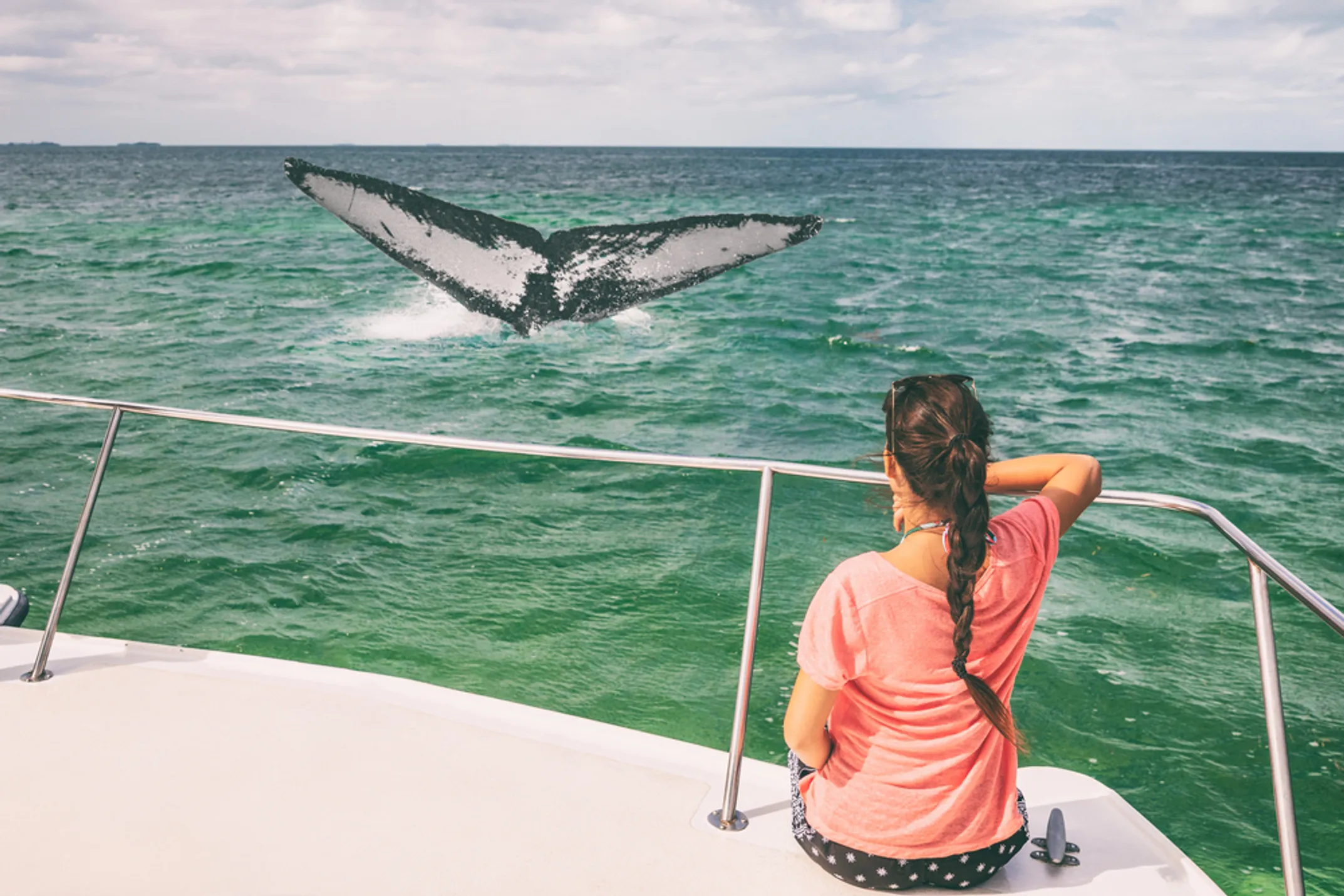
Whale Watching in Kauai
Where Ocean Giants Return Home Each Winter

Written by an Ocean Expert
Kalani MillerThere's a certain energy that shifts on Kauai when the first whale spout is spotted on the horizon. It's a quiet thrill that passes through the community, a collective exhale of anticipation. The koholā, our magnificent humpback whales, have returned.
For me, someone whose life has been shaped by the rhythms of the ocean, this annual homecoming is more than just a spectacle. It's a deeply moving, almost spiritual event that marks the changing of the seasons. It's a reminder of the vast, wild world that exists just beyond our shores.
This is my personal invitation to you to share in that magic. After years of working in ocean conservation and experiencing these incredible creatures, I've learned what separates a simple boat ride from a truly unforgettable encounter. This isn't just a list of things to do. It's a curated collection of knowledge designed to help you connect with these gentle giants in a meaningful and respectful way.
We'll explore their incredible 3,000-mile journey from the frigid waters of Alaska. This is a pilgrimage they make not to feed, but to find sanctuary in Kauai's warm, protected shallows to mate, give birth, and nurture their young. This article contains everything you need to plan your adventure, from the best times and places to see them to my personal tips for choosing the perfect tour and making the most of your day on the water.
The Art of Whale Watching: A Deeper Connection
To truly appreciate the experience of whale watching, it helps to understand the profound story unfolding before your eyes. This isn't just a random visit. It's the culmination of an epic journey and a critical chapter in the life of one of the planet's most majestic creatures. By understanding the context—the migration, the behaviors, the deep cultural roots—your experience transforms from passive observation into a rich, interpretive connection with the natural world.
The Magnificent Migration
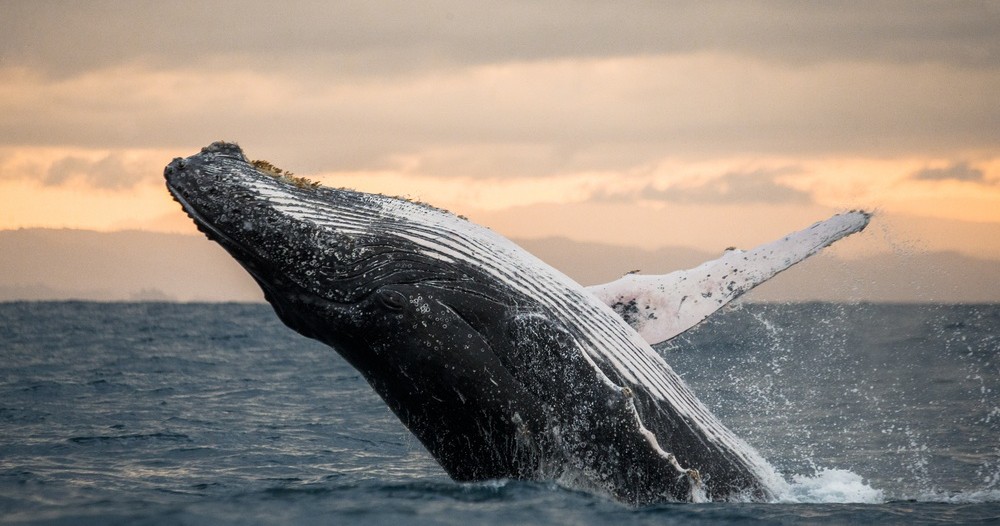
The journey of the koholā is one of nature's great epics. Each year, an estimated 10,000 to 12,000 North Pacific humpback whales travel over 3,000 miles from their summer feeding grounds in Alaska to the Hawaiian Islands. This is one of the longest migrations of any mammal on Earth, a testament to their incredible endurance and instinct.
They don't come to Hawaii to eat. The krill and small fish they feast on are abundant in the nutrient-rich northern waters, not here. Instead, they come for the sanctuary our islands provide. The warm, shallow, and relatively predator-free waters around Kauai are the perfect nursery for them to carry out the most important parts of their life cycle: breeding, giving birth to new calves, and nursing their young in safety. They arrive having built up immense fat reserves, which will sustain them, and especially the nursing mothers, for their entire stay.
The scale of this migration is breathtaking. Picture a creature the size of a school bus swimming the equivalent distance from Los Angeles to New York City, all while fasting for months. During their time in Hawaiian waters, adult whales can lose up to 40% of their body weight. Pregnant and nursing mothers face even greater challenges, as they must sustain themselves and their calves entirely on stored energy.
What drives them to make this epic journey? Scientists believe it's primarily about temperature and safety. The warm Hawaiian waters provide the perfect environment for newborn calves, who are born with relatively thin blubber layers. In the cold Alaskan waters, these babies would struggle to maintain their body temperature. The protected bays and channels around Kauai also offer refuge from the orcas and other predators that prowl the northern feeding grounds.
The timing of their arrival is remarkably consistent. The first scouts usually appear in late October or early November, followed by waves of adults throughout the winter months. Pregnant females often arrive last, having stayed in Alaska as long as possible to feed before making the journey south.
Ready to Meet the Koholā?
From understanding their behaviors to booking the perfect tour, explore our complete whale watching guide sections below to plan your unforgettable encounter with these ocean giants.
ℹ️ Quick Info
- Best Season: Jan-Mar
- Full Season: Nov-May
- Tour Duration: 2-5.5 hours
- Price Range: $85-$315+ pp
- Best Departure: Port Allen
📅 Whale Season
- Nov-Dec Early arrivals
- Jan-Feb Peak season
- March Mother & calves
- Apr-May Late season
🏝️ Best Shore Views
Elevated cliffside views
Easy access, consistent
Miles of coastline
🔗 Explore This Guide
Understanding their actions
Cultural SignificanceHawaiian whale traditions
When to VisitSeason timing guide
Boat ToursTop-rated operators
Shore ViewingFree land-based spots
Preparation GuideWhat to bring & wear
Responsible WatchingConservation & ethics
FAQCommon questions
More Kauai Whale Adventures


