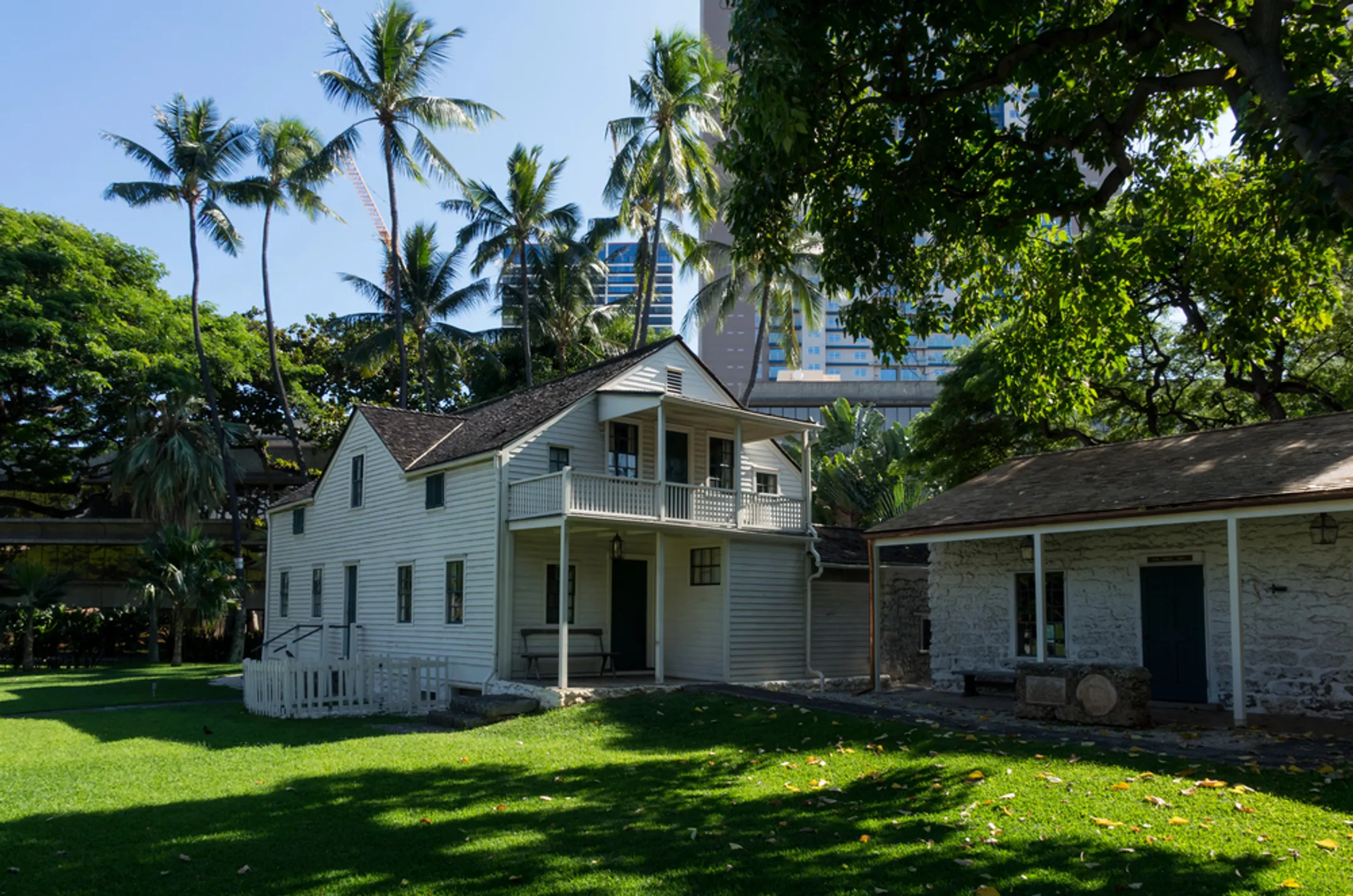
Cultural Insights & Living History
How the past shapes the present and the sacred art of preservation
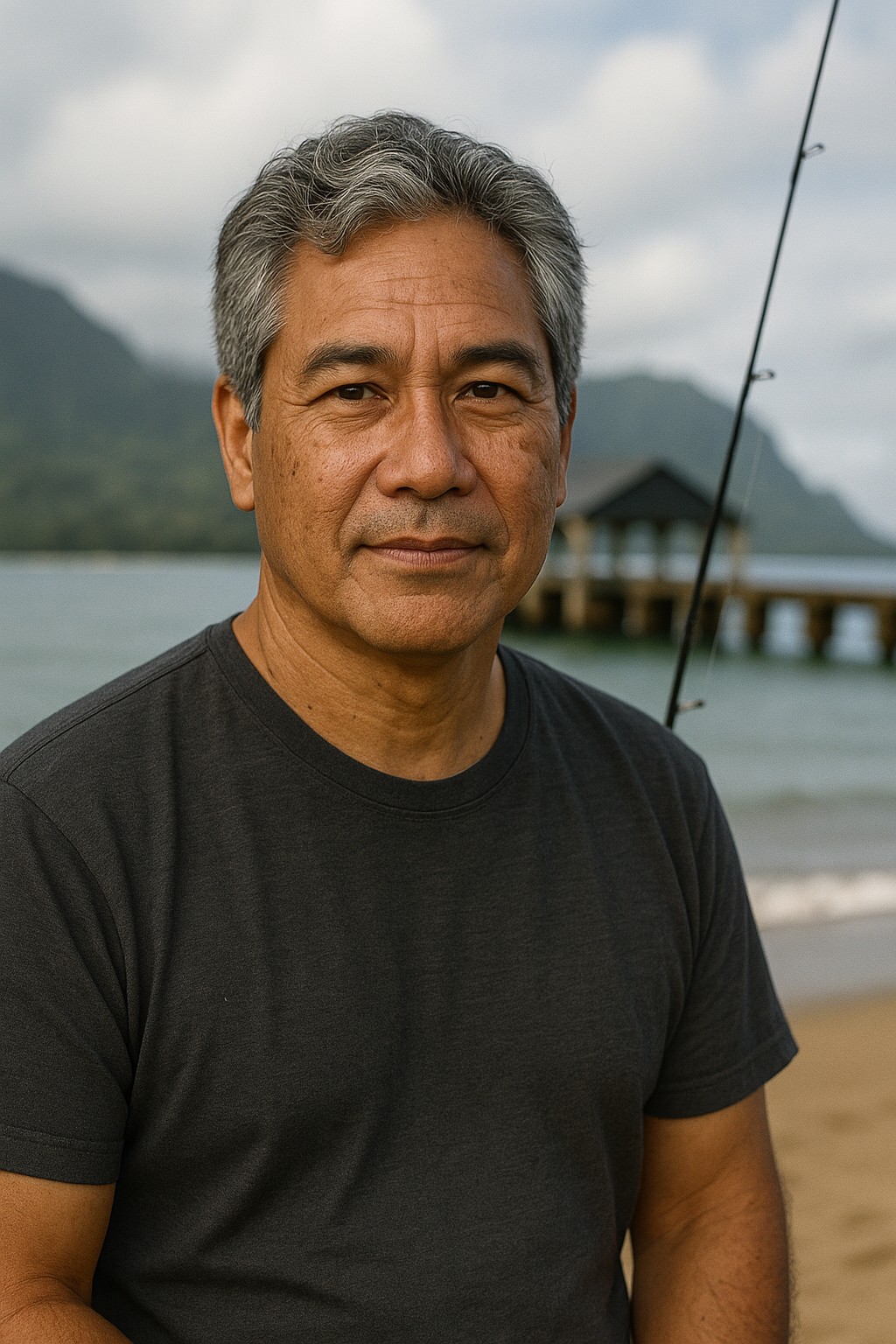
Written by a Local Expert
Kalani MillerThe Sacred Art of Storytelling
What strikes me most about these museums and historical sites is how they preserve not just artifacts, but the sacred art of storytelling itself. In Hawaiian culture, stories aren't just entertainment. They are vessels of wisdom, carriers of values, and bridges between generations.
At Grove Farm, when you hear about Miss Mabel Wilcox living alone in that grand house until 1978, you're not just learning facts. You're connecting with a woman who chose to preserve her family's legacy for strangers like us to understand. When you stand at the Alekoko Fishpond and hear about the Menehune's midnight construction project, you're receiving wisdom about the power of community and the magic that happens when people work together toward a common goal.
The Kauaʻi Museum's XR exhibits represent something beautiful about how storytelling evolves. Technology doesn't replace the human need for connection and meaning. Instead, it can amplify it, making ancient voices feel present and immediate. When a virtual kūpuna appears to share their story, you're experiencing the same impulse that drove my papa to tell stories under the ironwood trees—the deep human need to pass wisdom from one generation to the next.
Living History in Today's Kauaʻi
These historical sites don't exist in isolation. They're woven into the fabric of contemporary island life in ways that visitors often miss. The Waiʻoli Mission House sits surrounded by taro fields that have been continuously cultivated for centuries. The farmers working those fields today are part of an unbroken chain stretching back to pre-contact Hawaiʻi.
When you see children taking hula classes at the Kauaʻi Museum, you're witnessing cultural preservation in action. These aren't museum pieces being dusted off for tourists. These are living traditions being passed to the next generation. The same hands that learn to weave lauhala at the museum might create the baskets that hold produce at the Kauaʻi farmers markets.
The transformation of Kilohana Plantation from a sugar baron's mansion to a cultural center reflects how Kauaʻi has adapted to economic change while honoring its past. The Kauai Plantation Railway that now carries tourists through the grounds follows the same routes that once carried sugar cane to the mills. The artisans in the shops might be descendants of the plantation workers who once lived in the surrounding camps.
Understanding the Complexity
One thing these museums do well is presenting the complexity of Hawaiian history without simple heroes or villains. The missionary period, for instance, brought both tremendous benefits and devastating losses. The Waiʻoli Mission House acknowledges this complexity by showing how missionaries and Hawaiian aliʻi worked together to create a written Hawaiian language, leading to remarkable literacy rates. But it doesn't shy away from the fact that foreign diseases and cultural disruption came with these same missionaries.
The plantation era similarly defies simple narratives. Grove Farm shows both the innovation and prosperity that sugar brought to the islands and the difficult working conditions faced by laborers. The diversity of immigrant groups represented in Kōloa's memorial sculpture reflects how the plantation era created modern Hawaiʻi's multicultural identity, even as it displaced Native Hawaiian agriculture and changed the islands forever.
King Kaumualiʻi's decision to peacefully cede his kingdom demonstrates the impossible choices Hawaiian leaders faced during this period of rapid change. His story, preserved at sites like Russian Fort Elizabeth, shows leadership defined not by conquest but by protecting his people from bloodshed.
Connecting with Contemporary Hawaiian Culture
While these historical sites preserve the past, they also connect you to living Hawaiian culture. The weekly classes at the Kauaʻi Museum aren't just demonstrations—they're opportunities to learn skills that local families still practice today. When you watch a lei-making class, you're learning an art form that island residents use for everything from welcoming visitors to honoring graduates.
The hula classes offered at the museum connect you to a dance tradition that serves as both entertainment and historical record. Every hula tells a story, often about the very places you're visiting. The movements might describe the wind patterns over Hanalei Bay or the way morning light hits Waimea Canyon.
Many visitors don't realize that Hawaiian language is experiencing a renaissance. The literacy traditions that began at places like the Waiʻoli Mission House continue today in Hawaiian immersion schools across the island. When you see Hawaiian place names and words throughout these museums, you're encountering a living language that children are learning as their first language in schools just minutes from these historical sites.
Mālama ka ʻĀina: Caring for the Land
We've journeyed from the island's volcanic birth to the legends of the Menehune, from the quiet dignity of King Kaumualiʻi to the complex legacy of the missionaries and the tireless work of the plantation laborers. We've seen how every era has left its mark on the land and the people.
As you visit these special places, I ask that you do so with a spirit of mālama ʻāina—a deep sense of caring for the land. These museums and historical sites are not just tourist attractions. They are the cherished heritage of our community, the keepers of our collective memory. They are sacred.
When you walk through Grove Farm, you're walking on land that has been cultivated for over 150 years. When you stand at the Alekoko Fishpond, you're seeing engineering that has survived for centuries. When you listen to stories at the Kauaʻi Museum, you're receiving gifts from generations of people who believed their experiences mattered enough to preserve.
Your visit contributes to this preservation. Every admission fee, every purchase in a museum gift shop, every respectful moment spent listening to a docent's story helps ensure these places survive for the next generation. But more than financial support, these places need your understanding and respect.
Don't just take photos. Take time to really listen. Ask questions. Try to understand not just what happened, but why it mattered to the people who lived it. When you see a sign asking you not to touch an artifact or step on a sensitive area, honor it. These aren't arbitrary rules—they protect irreplaceable pieces of human history.
Your Role in the Story
For me, knowing these stories changes everything. Every wave I surf off Poʻipū carries echoes of the ancient Polynesian navigators who first found these shores. Every hike into the mountains follows paths first carved by people who saw this land as sacred. Every sunset over Hanalei Bay feels deeper when I remember the missionaries who watched the same sun set while writing letters home about this paradise they'd found.
The red dirt under my feet at Waimea Canyon holds the same iron that colored the soil when the Menehune were said to build their impossible structures in single nights. The trade winds that bring the scent of plumeria to my lanai carried the same fragrance to King Kaumualiʻi as he made the difficult decision to preserve his people's lives over his own sovereignty.
You're not just seeing a beautiful island when you visit these places. You're feeling the presence of all the generations who came before. I hope this journey helps you feel it too.
The stories preserved in Kauaʻi's museums and historical sites aren't just about the past. They're about understanding who we are today and who we might become tomorrow. They remind us that every generation faces challenges and makes choices that echo through time. They teach us that preservation isn't about freezing the past in place, but about carrying forward the wisdom and beauty that each era offers.
Aloha
As the trade winds carry the sweet scent of plumeria across the island tonight, they're carrying the same message they've always carried: this land is alive with stories, and those stories are gifts waiting to be received by anyone who approaches with respect, curiosity, and an open heart.
Back to Overview📖 Museum Guide
Current page
🌺 Key Concepts
- Moʻolelo: Stories & legends
- Mālama ʻĀina: Care for the land
- Kūpuna: Ancestors & elders
- Kuleana: Responsibility & privilege
💚 Ways to Help
- Visit & pay admission
- Shop gift stores
- Make donations
- Attend cultural classes
- Share respectfully
- Listen deeply
🌿 Cultural Classes
The Kauaʻi Museum offers weekly classes:
- Lei making
- Lauhala weaving
- Hula lessons
- Hawaiian language