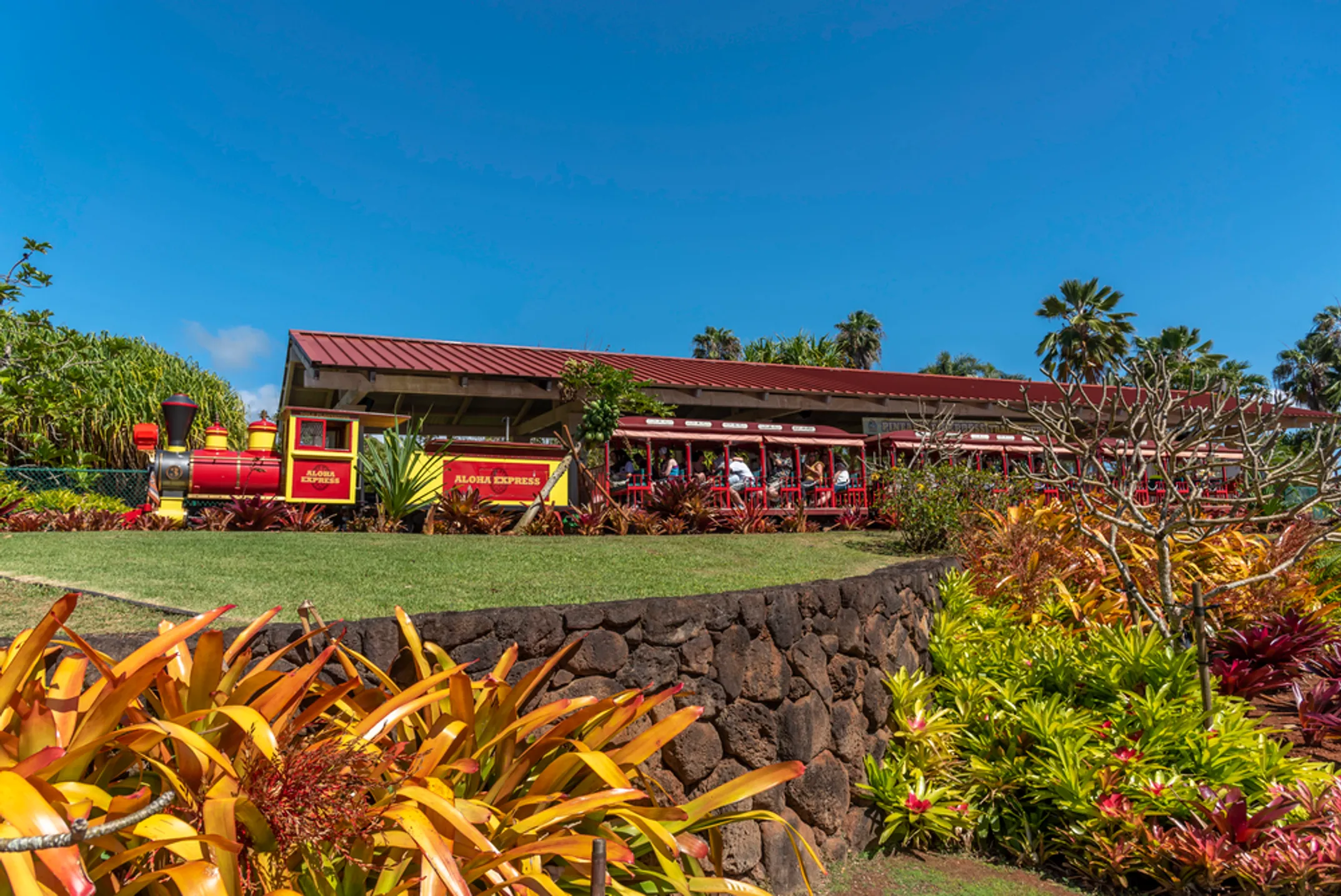
Living History: How the Past Shapes the Present
Ancient values guiding modern life on the Garden Isle
Written by a Local Expert
Kalani MillerLiving History: How the Past Shapes the Present
The historic sites of Kauai are not museum pieces frozen in time. They are living parts of a community that continues to evolve and grow. Understanding this history helps explain many aspects of modern Kauai, from land use patterns to cultural practices to contemporary political issues.
Land and Water Rights
Many of the ancient sites on Kauai are connected to traditional Hawaiian concepts of land and water management. The fishponds, agricultural terraces, and irrigation systems developed by ancient Hawaiians represent sophisticated approaches to sustainable resource use. These traditional practices are increasingly relevant as modern Hawaii grapples with issues of food security, water scarcity, and environmental sustainability.
The ahupuaʻa system, which divided land from mountain to sea, ensured that communities had access to all the resources they needed for survival. This traditional approach to land management influences contemporary discussions about development, conservation, and Native Hawaiian rights.
Cultural Revitalization
Sites like the Kāneiʻolouma Complex represent more than historical preservation—they're part of an ongoing cultural revitalization movement. Young Hawaiians are learning traditional skills like canoe building, traditional navigation, and native plant cultivation. These activities often take place at or near historic sites, creating a direct connection between past and present.
The restoration work at these sites is done primarily by volunteers from the local community, many of whom are learning about their own cultural heritage as they clear invasive plants and uncover ancient foundations. This hands-on connection to the past is creating a new generation of cultural practitioners and stewards.
Environmental Stewardship
The Hawaiian concept of mālama ʻāina—caring for the land—is deeply rooted in the spiritual beliefs centered at sites like the heiau. Modern environmental movements in Hawaii often draw on these traditional values, arguing that caring for the environment is both a cultural responsibility and a practical necessity.
Many of the plants and animals that you see at historic sites are part of restoration efforts to bring back native ecosystems. The native seabirds nesting at Makawehi Dunes, the native plants being restored at Kāneiʻolouma, and the endangered monk seals and sea turtles at Poʻipū Beach all represent ongoing efforts to heal the environmental damage caused by centuries of introduced species and habitat destruction.
Tourism and Cultural Respect
The challenge of sharing these sacred and historic sites with visitors while maintaining their integrity and cultural significance is ongoing. Many sites have been developed with input from Native Hawaiian cultural practitioners to ensure that tourism doesn't compromise their spiritual or historical value.
The interpretive programs at these sites increasingly emphasize Hawaiian perspectives on history, moving beyond the simple chronologies of discovery and development to include indigenous viewpoints on cultural change and survival. This shift reflects broader changes in how Hawaiian history is understood and taught.
The Stories Continue
The historic sites of Kauai tell stories that are still being written. Archaeological work continues to reveal new information about how people lived on the island in the past. Climate change is affecting these sites in new ways, from rising sea levels threatening coastal archaeological sites to changing rainfall patterns affecting the plants that grow around ancient temples.
New generations of Hawaiian scholars, many educated both in Western universities and in traditional knowledge systems, are bringing fresh perspectives to these old stories. They're asking different questions and finding different meanings in the same stones and landscapes that have been studied for decades.
The conversation about how to preserve these sites while making them accessible to visitors continues to evolve. New technologies like 3D scanning and virtual reality are creating new ways for people to experience historic sites without causing physical damage. Community input processes are ensuring that local voices have a say in how their heritage is presented and preserved.
Conclusion: The Enduring Spirit of Kauai
The stories of Kauai are not just relics; they are the island's heartbeat. They live in the stones of the heiau, in the crash of the waves at Spouting Horn, and in the spirit of the people. These places are more than just stops on a map; they are portals to the past that continue to shape our present and future.
Walking through these historic sites, you're participating in an ongoing conversation between past and present. The Menehune fishpond still functions as a wildlife refuge. The sugar plantation sites now host shops and restaurants. The missionary church continues to hold services. The ancient heiau still receive visitors who come to pray and leave offerings.
This continuity is what makes Kauai's historic sites so powerful. They're not just about what happened long ago; they're about the continuous human relationship with this land. Every stone wall along Hapa Road, every foundation stone at Kāneiʻolouma, every offering left at a heiau represents someone's connection to this place.
As you explore these incredible places, I hope you'll do more than just see the sights—I hope you'll listen. Listen to the history. Feel the mana in the quiet groves and on the sacred ground. Pay attention to the wind in the ironwood trees and the sound of the waves on the ancient rocks. These are the same sounds that have echoed across this landscape for centuries.
Travel with Aloha
And in return, I ask that you travel with aloha. In Hawaiʻi, we learn to share what we have and to be giving, because we are all part of a larger community. By practicing mālama ʻāina—caring for the land as it cares for us—you help preserve this magic for generations to come.
- ✓ Take only pictures and memories
- ✓ Leave only footprints and aloha
- ✓ Stay on marked trails
- ✓ Respect all kapu signs
- ✓ Don't touch or climb on sacred structures
- ✓ Always remember you're a guest in someone else's home
The stories of Kauai are your stories too, now that you've walked these paths and stood in these sacred places. You're part of the continuing narrative of this island, and how you treat these places and share these stories will influence how they're preserved and understood by future generations.
These sites have survived hurricanes, tsunamis, wars, and countless changes in the human community. They've endured because people have cared for them, protected them, and passed their stories down through generations. Now that responsibility extends to you.
The next time you see a sunrise, think of the priests at Hikinaʻakalā Heiau greeting each new day with prayers and chants. When you see a fishpond or taro field, remember the ingenious engineering of the Menehune and their successors. When you visit any sacred place, anywhere in the world, remember the respect and reverence that these sites deserve.
The spirit of Kauai—the aloha spirit that connects all things—is something you can take with you wherever you go. It's the understanding that we're all connected, that the land and sea and sky are not just resources to be used but partners in the dance of life. It's the knowledge that every place has stories, and every story deserves to be heard with respect and understanding.
Mahalo for letting me share my home with you. May these stories live on in your heart and guide your steps wherever your journey takes you next. And remember—once you've experienced the mana of Kauai, you'll always be part of our ohana. Welcome home.
— Kalani Miller
Begin Your Journey Through Kauai's Sacred Past
Start exploring the moʻolelo that shape the Garden Isle
📖 Complete Guide
Currently reading
🌿 Key Concepts
- Mālama ʻāina: Care for land
- Ahupuaʻa: Land division
- Kuleana: Responsibility
- Ohana: Family
🙏 Travel with Aloha
- Take only photos
- Leave only footprints
- Respect kapu signs
- Stay on trails
- Be a respectful guest