Wildlife & Marine Life at Salt Pond
Encounter endangered monk seals and explore vibrant underwater worlds
Written by a Local Cultural Expert
Leilani AkoWildlife Watching at Salt Pond
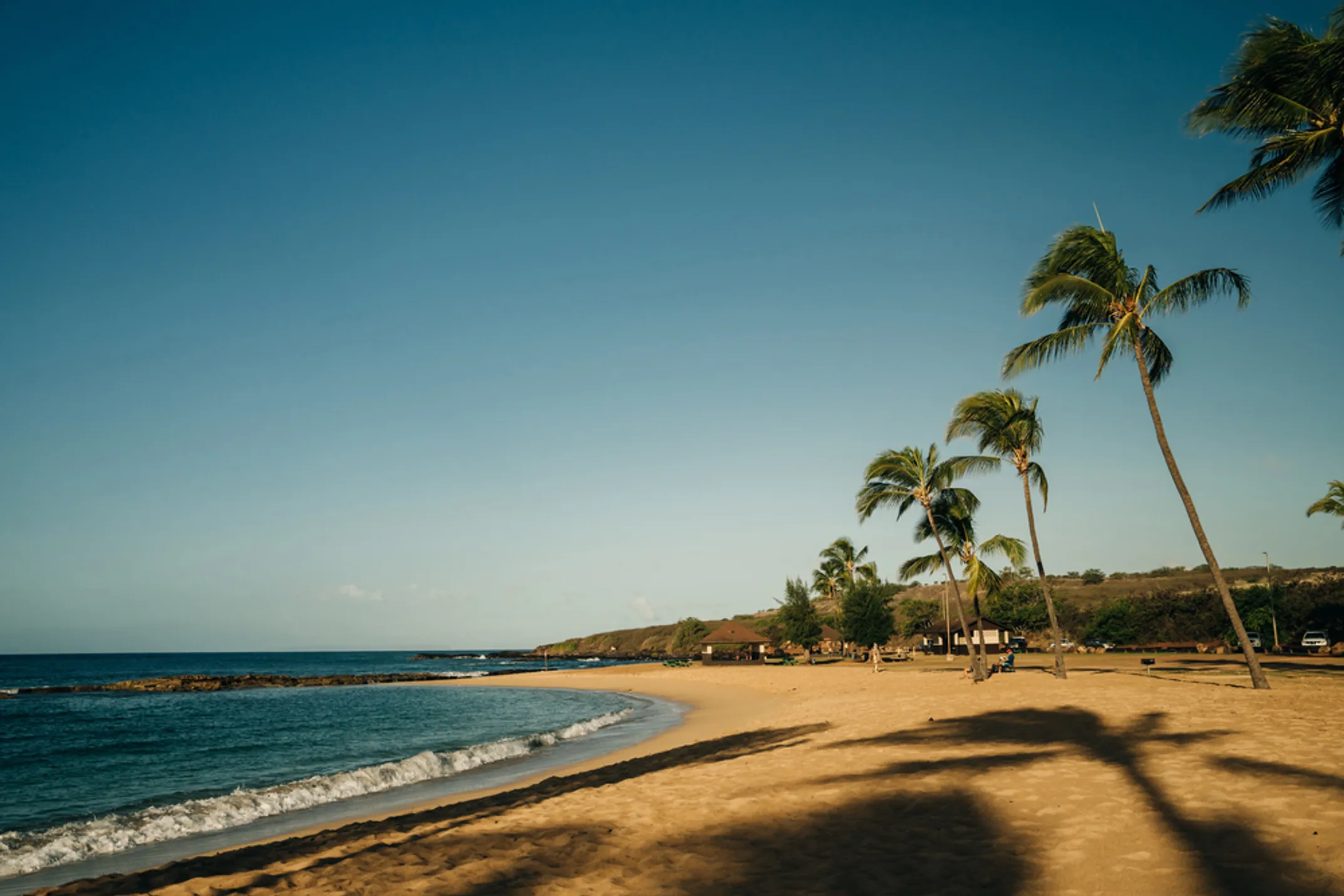
Salt Pond is not just a hub for human activity. It's vital habitat for some of Hawaii's most beloved and endangered marine life. Your visit offers a precious opportunity to see these animals in their natural environment.
Hawaiian Monk Seals
There are only about 1,600 Hawaiian Monk Seals left in the entire world. This makes them one of the most endangered seal species on the planet. To see one resting on sand at Salt Pond is a rare and profound privilege.
In Hawaiian, their name, ʻīlio-holo-i-ka-uaua, means "the dog that runs in rough seas." It's a beautiful description of these graceful swimmers. Salt Pond Beach Park is a known and frequent "haul-out" location. This means seals come ashore here to rest, digest, and molt. Sightings have become increasingly common. Volunteers sometimes monitor multiple seals here on a daily basis.
As someone who cherishes our island's wildlife, I always tell my friends to remember that we are visitors in the seals' home. The greatest aloha you can show them is to give them plenty of space.
Official Viewing Rules
These aren't just suggestions. They are rules established by NOAA to protect seals and are enforced by law.
- Keep Your Distance: Maintain a minimum distance of 50 feet (about 15 meters) from a single seal. If you see a mother with pup, stay at least 150 feet (about 45 meters) away.
- Rule of Thumb: Extend your arm straight out and give a thumbs-up. If your thumb completely covers the seal, you are likely far enough away.
- Respect Barriers: Always stay behind any ropes or signs set up by volunteers. They are there for a reason.
- Leash Your Dog: Dogs must be kept on leash at all times. They can disturb resting seals or spread diseases.
- Never Disturb: Don't touch, feed, or try to get a reaction. A seal resting on beach is not in distress—it's doing exactly what it needs to do to survive.
Report Your Sightings
Your visit can do more than just provide magical memory. It can actively contribute to survival of this species. NOAA and conservation groups rely heavily on public sightings to monitor health and size of seal population. By reporting your sighting, you become a citizen scientist and part of the conservation effort.
If you see a seal: Call the NOAA Marine Wildlife Hotline at 1-888-256-9840. Note the location, time, and any tags or markings you can see from safe distance.
Life in the Lagoons
The same reef that makes Salt Pond safe for swimming also creates a fantastic environment for snorkeling. Water inside the main cove is generally calm and clear, offering great visibility. You can expect to see a wonderful array of marine life.
This includes our beloved honu (Hawaiian green sea turtles), which often feed on algae here. Look for colorful reef fish like bright yellow tangs, striped convict tangs, ornate butterflyfish, and even our state fish, the humuhumunukunukuāpuaʻa (Picasso triggerfish).
🐢 Hawaiian Green Sea Turtles (Honu)
Often seen feeding on algae in the protected lagoon. Remember: maintain 10 feet distance and never touch.
🐠 Colorful Reef Fish
Yellow tangs, convict tangs, butterflyfish, and the state fish humuhumunukunukuāpuaʻa (Picasso triggerfish).
Tide Pools: A World of Discovery
For families with young children, tide pools on the eastern side of beach are a world of discovery. At low tide, these shallow, rocky pools trap all sorts of fascinating creatures. Let your children carefully search for small crabs, sea urchins, and tiny fish like blennies and gobies. It's a perfect, hands-on biology lesson. Just remember: look but don't touch.
🦭 Monk Seal Facts
- Population: ~1,600 total
- Status: Endangered
- Min. Distance: 50 feet (15m)
- With Pup: 150 feet (45m)
- Hotline: 888-256-9840
🤿 Snorkeling Tips
- Best at high tide
- Enter from airport side
- Calm, clear conditions
- Use reef-safe sunscreen
- Don't stand on coral
🔗 Explore Salt Pond
🙏 Respect Wildlife
We are guests in their home. Keep distance, never touch, and report sightings to help conservation.
NOAA Hotline: 1-888-256-9840