Salt Pond Beach Park: Kauai's Sacred Salt-Making Tradition
Where ancient Hawaiian traditions meet family-friendly shores on Kauai's West Side
Written by a Local Cultural Expert
Leilani AkoA Beach with Soul
There's something different about the West Side of Kauai. The air feels softer here. The sun burns a little warmer. Time itself seems to slow down, tethered to the red earth and deep blue sea.
I've spent years exploring every corner of our island chain. But I find myself drawn back to the West Side again and again. It's where the laid-back spirit of old Hawaii feels most alive. And at the heart of this special place sits Salt Pond Beach Park in Hanapepe.
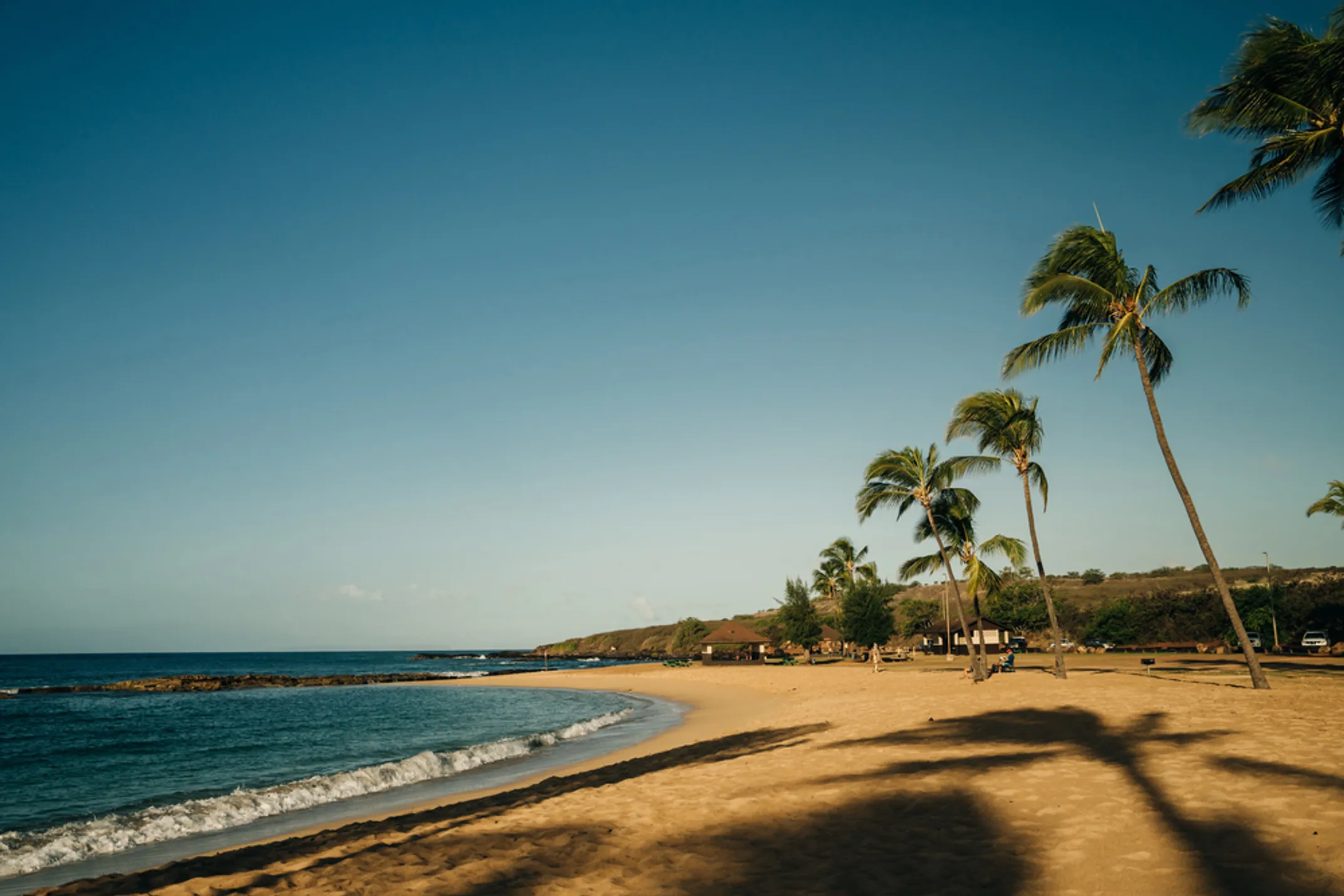
To most visitors, it looks like a perfect postcard. A crescent of golden sand. Gentle turquoise water protected by natural reef. The happy sounds of families enjoying a day by the ocean. But Salt Pond is so much more than that.

This is a wahi pana, a storied place. Here, the laughter of children splashing in calm lagoons mingles with whispers of ancestral knowledge. This isn't just a spot to lay down your towel. It's an invitation to witness living culture.
The Soul of Hanapepe: Understanding Paʻakai
To truly understand Salt Pond Beach Park, you must first understand paʻakai. This is the soul of the place. The reason for its name. Its most precious treasure.
The Hawaiian word paʻakai literally means "to solidify the sea." It's a beautiful description that captures both the physical process and its spiritual value in Hawaiian society. For my ancestors, salt was a cornerstone of life. Its importance was woven into every aspect of their world.
Salt was vital for preservation. Before refrigeration, paʻakai was essential for curing fish and octopus. It allowed food to be stored for long periods. It provided nourishment on long ocean voyages between islands. But its role went far deeper than the kitchen.
Salt was a sacred element. My people believed it held mana, or spiritual energy. It was used in countless ceremonies for purification and blessing. To cleanse spaces. As sacred offerings at temples to honor gods and ancestors. It was powerful medicine, used in healing remedies and applied to wounds for cleansing.
As Hawaii opened to the world, this precious resource became critical for trade. Whaling ships and other vessels that visited our shores sought it out.
The Legend Behind the Salt
The salt ponds of Hanapepe are not just a place of work. They are a place of legend. The story of their origin connects them to the divine.
As oral history tells it, Pele, the powerful goddess of fire and volcanoes, was visiting her brother, the shark god Kāmohoaliʻi. She came upon a woman crying on the shore. The woman was upset because she had caught too many fish. She could not give them all away before they spoiled.
Pele, in her wisdom, led the woman to nearby clay flats. She taught her the sacred art of harvesting salt from the sea. This gave the woman means to preserve her bounty and honor the resources she had been given. This story fills the very ground here with sacred purpose.
🌺 Sacred Tradition
Witness centuries-old salt-making practices passed down through 22 families who serve as kahu (guardians) of this sacred place.
🏝️ Family Paradise
Protected lagoon with calm, shallow waters perfect for keiki (children). Lifeguards on duty daily 9am-5pm.
🦭 Wildlife Haven
Frequent Hawaiian Monk Seal sightings, excellent snorkeling, and fascinating tide pools for exploration.
The Keepers of Ancient Wisdom
The tradition that Pele gifted continues today through the Hui Hana Paʻakai o Hanapēpē. This collective of twenty-two families are the generational stewards, or kahu, of the salt ponds. These are not just any plots of land. They are family legacies. Rights and responsibilities to work specific salt beds pass down from one generation to the next.
I've had the honor of speaking with some of these salt makers. Their dedication is humbling. Kuʻulei Santos, one of the most passionate advocates for the ponds, works the very same beds her grandmother once did.
"I started when I was a little kid and my kids have been going since they were babies; they've never missed a year," she says. For her, and for others like Tina Taniguchi, the work is spiritual practice. Tina describes it as both "hard work" and "play." A way to forge deep, personal connection to the land and her ancestors.
This deep connection shows in the most important rule of the hui: Hanapepe salt is never, ever sold. It is a gift. It can be traded for other goods, as was done in ancient times. But it cannot be purchased with money. To receive a gift of this paʻakai is to receive a profound gesture of aloha, respect, and goodwill.
Kuʻulei Santos has even coined a term for it: you have to be "salt-worthy." The salt is given to those who understand its value. Who respect the tradition. Who will stand with the hui to help protect this sacred place from modern threats of development and pollution.
Understanding Commercial Salt: Gift shop shelves across Hawaii are lined with products labeled "Hawaiian Salt." However, most commercial salt has no connection to Hanapepe traditions. Much of it is made from rock salt imported from the mainland, simply processed or packaged in Hawaii to meet the minimum 51% requirement for "Made in Hawaii" labels. Some "ʻalaea salt" sold in stores isn't even made with authentic, sacred ʻalaea clay.
Understanding this distinction changes everything. The salt you can buy is a product. The salt from Hanapepe is a legacy. By knowing that true paʻakai of this place is priceless and cannot be bought, you can appreciate what you're witnessing in a much deeper way. You're not just observing a process. You're seeing an act of cultural integrity. A community choosing to honor heritage over commercial profit.
ℹ️ Quick Info
- Location: Hanapepe, Kauai
- Lifeguard: 9am-5pm daily
- Camping Fee: $3/adult/night
- Best Season: Year-round
- Salt Season: May-September
🎒 What to Bring
- Reef-safe sunscreen
- Snorkel gear
- Beach umbrella
- Picnic supplies
- Camera for wildlife
🔗 Explore Salt Pond
🙏 Cultural Respect
View salt ponds from a distance. Never walk on them. The salt is never for sale - it's a sacred gift.
Perfect for Families
I always recommend Salt Pond as one of the best kid-friendly beaches on Kauai. The number one reason is the main swimming area itself. The natural rock reef creates a massive, protected lagoon with calm, shallow water. Locals affectionately call it the "keiki pond." It's a place where toddlers can splash safely at water's edge. Older kids can swim and snorkel without fear of big waves.
The amenities add to family-friendly appeal. The presence of a lifeguard on duty seven days a week provides peace of mind. Clean restrooms and outdoor showers make it easy to rinse off sandy little ones before heading home.
Large, shaded grassy areas are perfect for setting up a home base for the day. Having a picnic. Letting kids run around and burn off energy. While you won't find a man-made playground structure here, the beach itself is the ultimate natural playground. It offers endless opportunities for swimming, building sandcastles, and exploring fascinating tide pools.
Respectful Viewing Etiquette
To witness this tradition is a privilege. With that privilege comes kuleana—responsibility to be respectful. As a guest in this sacred space, here's how you can show your aloha.
View from a Distance
Salt beds are private property and sacred workspace. Don't walk on or near them. You can see them clearly from the adjacent parking area.
Park Properly
Use the paved parking lot. Avoid driving on fragile sand dunes that protect ponds from high surf and erosion.
Be Mindful
If families are working during summer harvest season, observe with quiet respect. A peaceful presence is appreciated.
Don't Ask to Buy
Understanding and respecting that this salt is a gift, not a product, is the highest form of respect.
Discover More About Salt Pond
From ancient salt-making traditions to camping under the stars, explore everything this sacred beach has to offer.