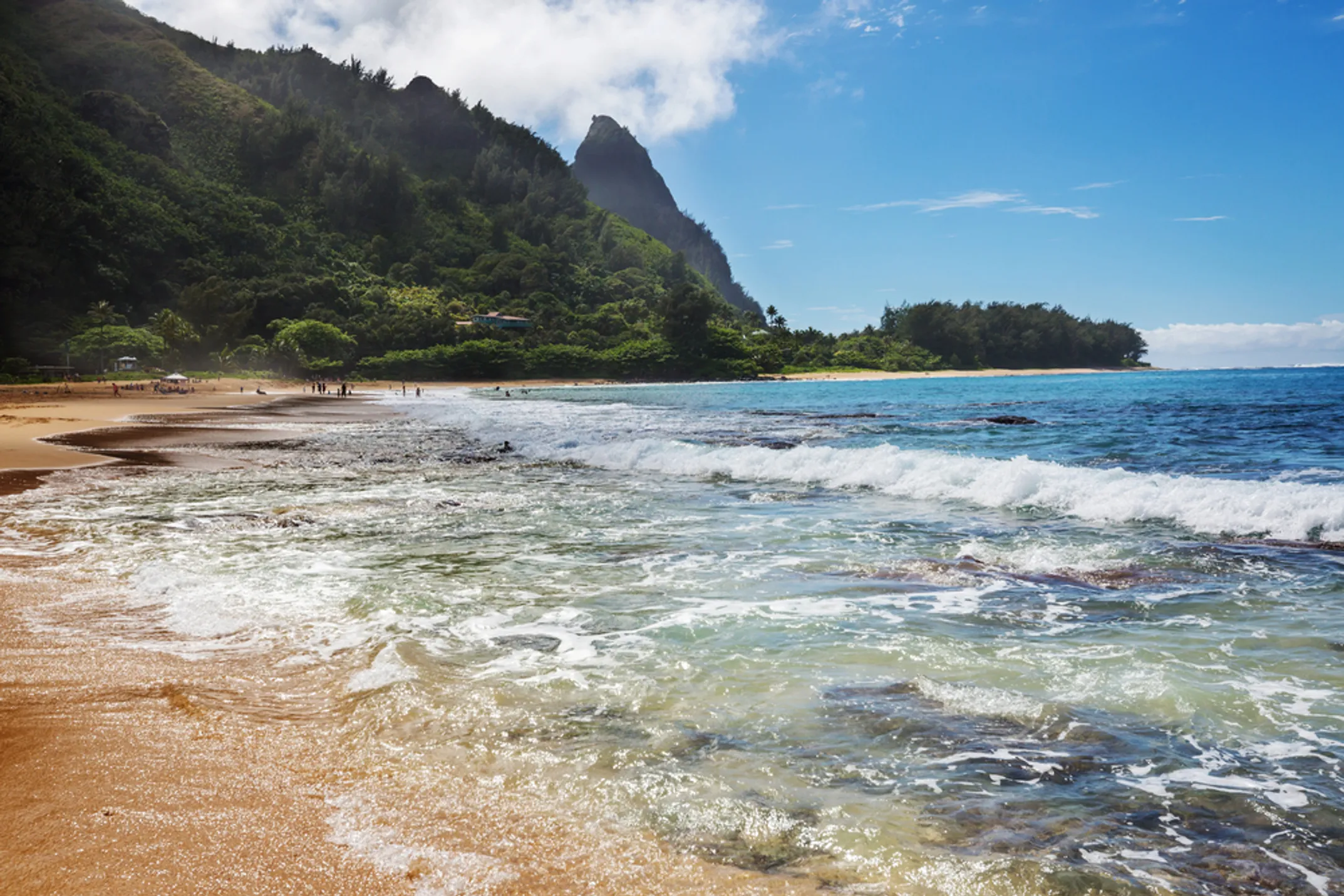
North Shore Ocean Safety
Critical Knowledge That Could Save Your Life

Written by a Kauaʻi Local Expert
Leilani AkoA Critical Understanding of Ocean Safety on Kauaʻi's North Shore
Before we go any further, let's talk about something that could save your life. The North Shore ocean is not a swimming pool. It is a powerful, wild force of nature that demands your constant awareness and deepest respect. As a local, I have seen its beauty and its fury, and I urge every visitor to take ocean safety seriously.
"When in Doubt, Don't Go Out."
This is the single most important piece of advice you will hear from any local. Trust your instincts. If the ocean looks too rough or you feel uneasy, it's not worth the risk.
The Two Seasons of the North Shore
The personality of the ocean here changes dramatically with the seasons.
☀️ Summer (May to September)
This is generally the calm season. The ocean can be placid and lake-like, offering ideal conditions for swimming and snorkeling at protected beaches like Keʻe Lagoon and ʻAnini.
Best Activities:
Swimming, snorkeling, beach time
🌊 Winter (October to April)
This is big wave season. Massive, long-period swells, generated by powerful storms thousands of miles away in the North Pacific, march relentlessly toward our shores. These swells create dangerous, unpredictable, and often unsurvivable conditions for swimmers. Waves can reach staggering heights of 40 to 50 feet, and all North Shore beaches may be closed to the public.
Best Activities:
Hiking, wave watching, cultural sites
Understanding the Dangers
Shorebreak
Even in water that is only knee-deep, the force of a wave breaking directly on the sand can be immense. It can easily knock you off your feet, slam you into the seafloor, and cause serious neck and spinal injuries. This is why you must never turn your back on the ocean.
Rip Currents: The Number One Hazard
These are the number one hazard for swimmers. They are powerful, narrow channels of water flowing away from the shore.
How to Spot Them:
Look for a channel of churning, choppy, or discolored (often sandy) water extending out from the shore. You might also see a gap in the line of breaking waves.
How to Escape:
If you are caught in a rip current, the most important thing is do not panic and do not try to swim directly against it—you will exhaust yourself and lose.
- • The current will not pull you under; it will pull you out
- • Let it carry you until the pull lessens
- • Swim parallel to the shoreline until you're out of the current's grip
- • Then swim diagonally back toward shore
- • If too tired, float on your back and wave your arms to signal for help
🚨 Emergency Contacts
- Emergency: 911
- Ocean Safety: (808) 241-4984
- Police (non-emergency): (808) 241-1711
✅ Safety Checklist
- Check surf report daily
- Talk to lifeguards first
- Never turn your back
- Heed warning signs
- Use reef-safe sunscreen
🔗 Explore Hāʻena
My Golden Rules for Ocean Safety
Check the Forecast Every Day
Before you even head to the beach, check the official surf report. Conditions can change rapidly.
Talk to the Lifeguards
They are the on-site experts. Ask them about the day's conditions, currents, and safest places to swim. Whenever possible, choose a lifeguarded beach like Hāʻena Beach Park or, in summer, Keʻe Beach.
Heed All Warning Signs
If a sign says "Beach Closed" or "High Surf," it is there for a life-or-death reason. Stay out of the water. Period.
Protect Our Reefs, Protect Yourself
Our coral reefs are fragile ecosystems. Please use only reef-safe sunscreen, which is required by law in Hawaiʻi. Never touch, stand on, or kick the coral. It is alive, and you will damage it and likely cut yourself.
Emergency Preparedness and Safety
While Hāʻena is generally safe, its remote location means you should be prepared for emergencies:
Medical Considerations
Nearest Hospital: Wilcox Medical Center in Lihue is about 90 minutes from Hāʻena. For serious emergencies, helicopter evacuation may be necessary.
First Aid: Bring a basic first aid kit including bandages, pain relievers, and any personal medications. The nearest pharmacy is in Hanalei.
Ocean Injuries: Sea urchin spines, coral cuts, and jellyfish stings are the most common ocean-related injuries. Pack vinegar for jellyfish stings and tweezers for spine removal.
Weather Emergencies
Flash Flood Risk: Streams in this area can rise rapidly during heavy rain. Never cross flooded streams, even in a vehicle.
Tsunami Awareness: While rare, tsunamis can affect the North Shore. Familiarize yourself with evacuation routes and listen for emergency sirens.
Hurricane Season: June through November is hurricane season. Monitor weather forecasts and be prepared to change plans if storms approach.
The ocean is a gift, but it demands respect.
By following these safety guidelines, you honor both the power of the Pacific and the generations of islanders who have learned to read its moods and respect its strength.