Cultural Sites & History
Honoring the Sacred Heritage of Hāʻena

Written by a Kauaʻi Local Expert
Leilani AkoCultural Sensitivity and Respectful Tourism
Visiting Hāʻena is not just about recreation; it's about entering a living cultural landscape. Here's how to be a respectful visitor:
At Sacred Sites
The Heiau
When visiting Kaulu o Laka heiau above Keʻe Beach, remain on the designated path. This is an active place of worship. Don't climb on the stone structures or leave offerings unless you're participating in an organized ceremony.
The Kilioe Stone
You can view this sacred stone, but please don't touch it or place anything in its grooves. It's still considered sacred by Native Hawaiian families.
With Marine Life
🐢 Hawaiian Green Sea Turtles (Honu)
These beautiful creatures are protected by federal law. Maintain a distance of at least 10 feet on land and in water. Never touch or chase them.
🦭 Hawaiian Monk Seals
If you're lucky enough to see one of these endangered marine mammals, give them even more space—at least 50 feet. They may look sleepy, but they can move quickly and bite if disturbed.
🪸 Coral Reefs
Remember that coral is alive. Standing on or touching coral kills it and can take decades to regrow. Use only reef-safe sunscreen and be mindful of your fins when swimming.
🐦 Native Birds
Don't feed birds or other wildlife. Human food can make them sick and change their natural behaviors.
Leave No Trace Principles
Pack It In, Pack It Out
Everything you bring must leave with you. This includes organic waste like banana peels and apple cores, which aren't part of the native ecosystem.
Stay on Trails
Vegetation in this area is fragile. Stepping off trail can damage rare native plants and contribute to erosion.
Respect Wildlife
Don't feed birds or other wildlife. Human food can make them sick and change their natural behaviors.
🙏 Respect Guidelines
- Stay on designated paths
- Don't touch sacred stones
- Keep 10 ft from turtles
- Keep 50 ft from seals
- Never touch coral
📏 Safe Distances
10 feet minimum
50 feet minimum
Do not approach
🔗 Explore Hāʻena
The History That Shaped This Land
To truly appreciate Hāʻena, you need to understand the rich human history that has shaped this landscape for over a thousand years.
Ancient Settlement
Archaeological evidence suggests that Polynesian settlers first arrived in the Hāʻena area around 800-1000 AD. They chose this location for its abundant freshwater streams, fertile soil for taro cultivation, and rich marine resources.
The extensive loʻi kalo (taro terraces) you can still see at Limahuli Garden represent sophisticated agricultural engineering. These terraces maximized water flow from mountain streams while preventing erosion, supporting a substantial population for centuries.
The Menehune Legend
Local stories speak of the Menehune, a legendary race of small people who were master builders and engineers. Many of the ancient stone structures throughout Kauaʻi, including fishponds and irrigation systems, are attributed to their nighttime construction efforts. While scholars believe these stories may preserve memories of an earlier wave of Polynesian settlers, the legends remain an important part of local cultural identity.
Contact and Change
The arrival of Captain James Cook in 1778 marked the beginning of dramatic changes for Hawaiian society. Hāʻena's remote location initially protected it from some of these changes, but by the mid-1800s, Western influence was transforming the islands.
Sugar plantations, cattle ranching, and introduced diseases dramatically reduced the Native Hawaiian population. Many traditional practices were suppressed by missionary influence and colonial governance.
Modern Cultural Renaissance
The 1960s and 70s saw a resurgence of interest in Hawaiian culture, language, and traditional practices. Hāʻena, with its intact heiau and strong oral traditions, became an important center for cultural practitioners working to revive traditional knowledge.
Today, the hula schools that practice at Kaulu o Laka heiau represent an unbroken chain of cultural transmission that stretches back centuries. The reservation system is, in many ways, a continuation of traditional Hawaiian resource management practices that balanced human needs with environmental protection.
The stories embedded in every stone, every wave, and every chant connect you to something larger than any single visit.
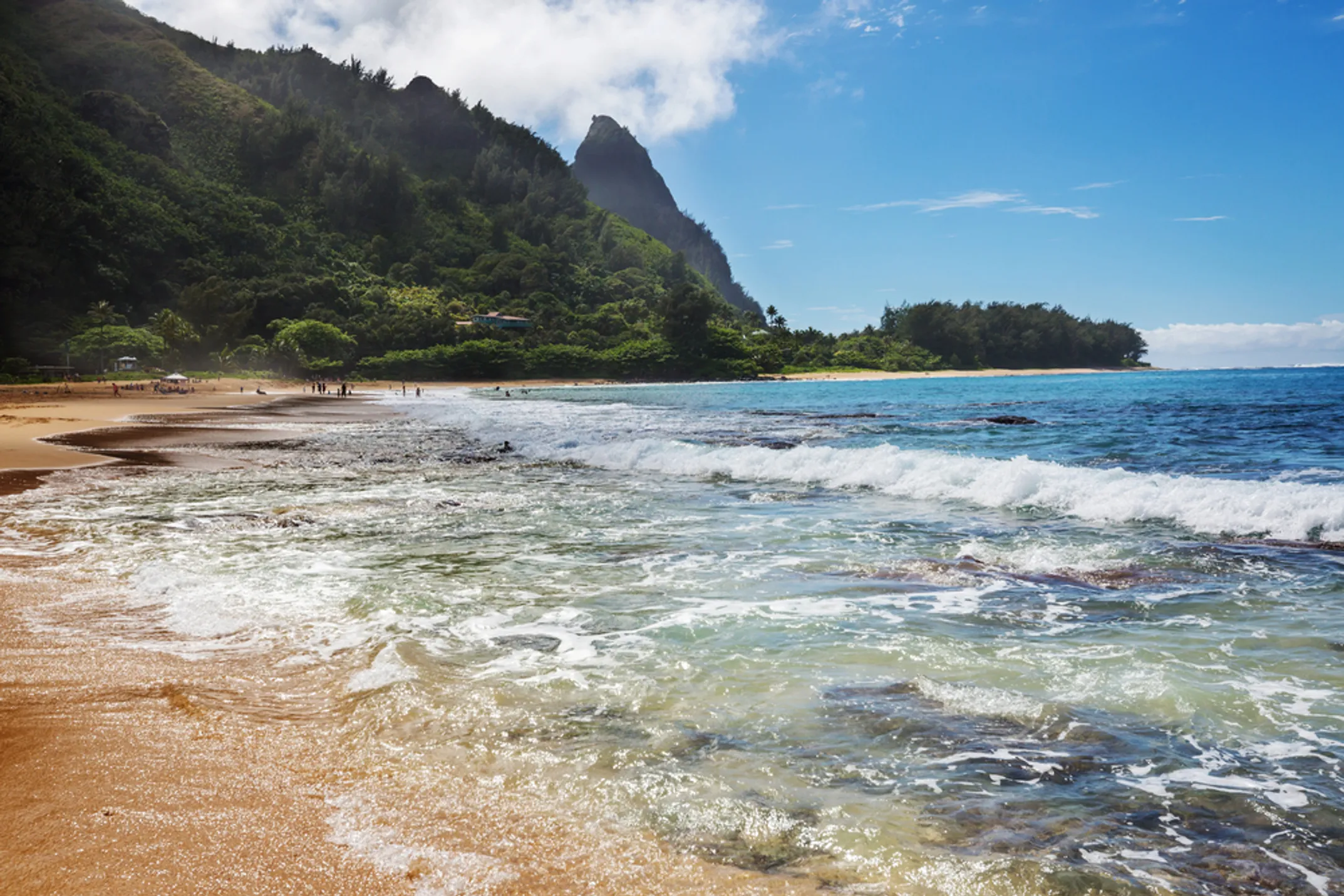
When you stand on the sands of Keʻe, you're touching the same shore where ancient Hawaiians launched their voyaging canoes into the vast Pacific.
Environmental Challenges and Conservation Efforts
The story of Hāʻena is also a story of environmental challenges and innovative solutions. Understanding these issues helps visitors appreciate why the reservation system exists and how they can be part of the solution.
The Over-Tourism Crisis
Before the 2018 floods, Hāʻena was experiencing classic over-tourism symptoms:
- • Up to 5,000 daily visitors
- • Traffic jams lasting hours
- • Parking chaos damaging vegetation
- • Human waste issues
- • Trampling of fragile ecosystems
- • Cultural sites disrespected
Conservation Success Stories
The post-2018 management changes represent a new model:
- • Daily visitor limits allow ecosystem recovery
- • Improved infrastructure protects environment
- • Enhanced interpretation educates visitors
- • Community involvement in decisions
- • Revenue funds conservation work
The Future of Hāʻena
The reservation system at Hāʻena represents more than just crowd control—it's a model for how tourism and conservation can coexist. As Hawaii faces increasing pressure from visitor numbers, the lessons learned here may shape the future of tourism throughout the islands. The success of this model depends on visitors understanding their role in protecting this special place.