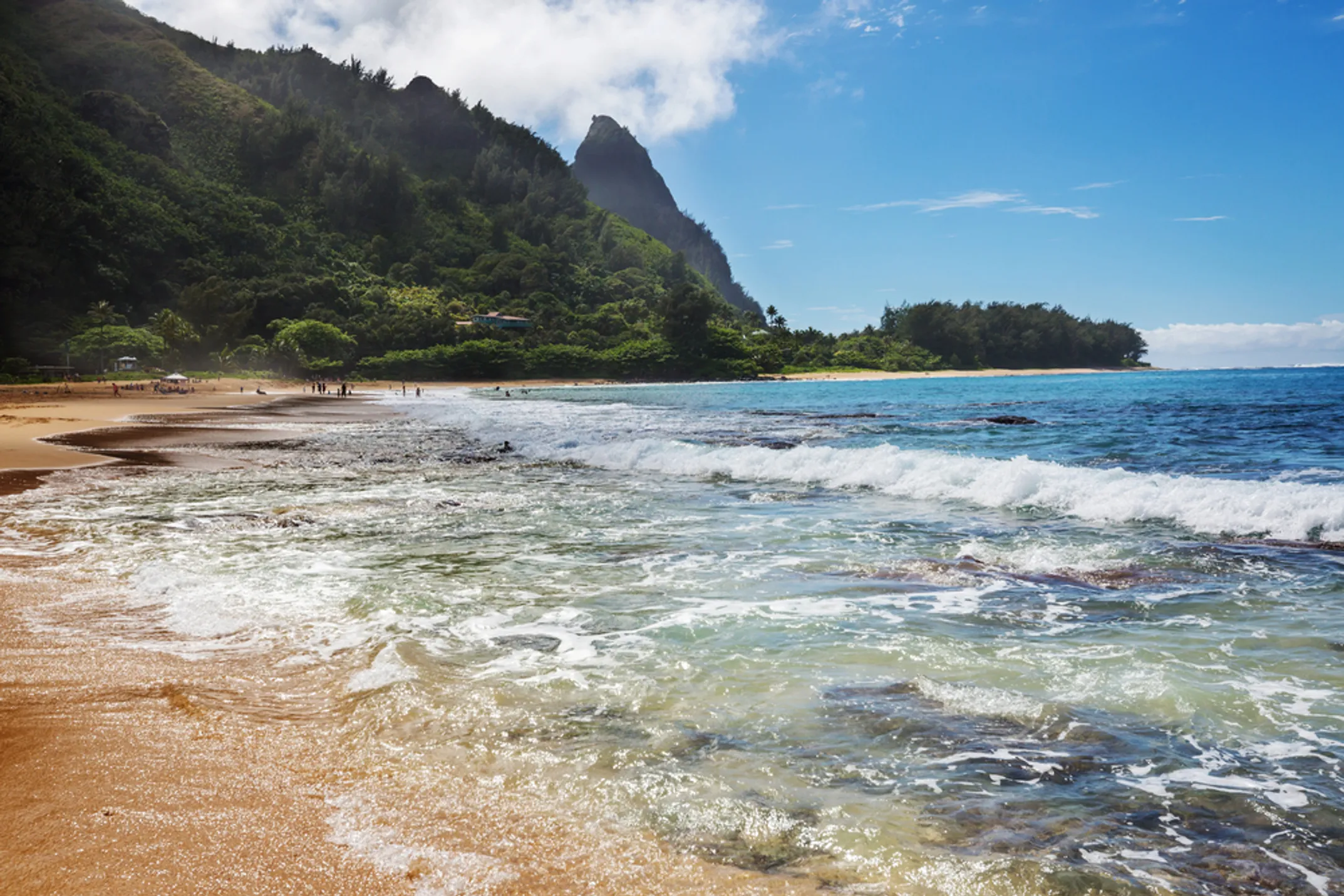
Hāʻena State Park: Complete 2024 Guide
A Journey to the End of the Road, A Return to Pono

Written by a Kauaʻi Local Expert
Leilani AkoA Journey to the End of the Road, A Return to Pono
Aloha mai kākou. My name is Leilani Ako, and I've called Kauaʻi home my entire life. I remember a time, not so long ago, when the road to Hāʻena was a slow-moving serpent of rental cars, a frustrating crawl of bumper-to-bumper traffic that choked the life out of this sacred place. We locals felt it, a deep ache for a landscape that was being loved to death. The air, thick with exhaust fumes, drowned out the sound of the surf. Parking was a chaotic free-for-all, with cars tucked into every conceivable space, blocking driveways and trampling fragile plant life. It reached a point where some in our community, feeling squeezed out of their own ancestral lands, spoke of dropping trees across the road just to give Hāʻena a moment to breathe. Before the devastating floods of 2018, the park was seeing up to 5,000 visitors a day, a number that was simply unsustainable for the land and the people who call this place home.
Then, the rains came. The floods of 2018 were a force of nature that reshaped our coastline and forced a pause, a reckoning. In the quiet that followed, our community, along with state officials, came together to imagine a new future for Hāʻena. What emerged was the reservation system you see today—not as a barrier, but as a lifeline. To visit Hāʻena now is to experience a place that has been allowed to heal. The symphony of birds has returned, the traffic has vanished, and the profound peace of this wahi pana—this sacred, storied place—has been restored.
To visit Hāʻena today is a privilege, not a right. It's an invitation to experience a place that has been allowed to breathe again. And with that privilege comes a responsibility—a kuleana—to visit with respect. In this guide, I'll show you not just how to get in, but how to be a good guest in one of Hawaiʻi's most sacred landscapes.
The Hāʻena State Park Reservation System: Your Key to Paradise
The first and most important thing to understand is that you cannot simply drive up to Hāʻena State Park. Access is strictly controlled through an online reservation system designed to protect the park's fragile ecosystem and rich cultural sites from the impacts of over-tourism. This system, which limits daily visitors to a manageable 900 people, has been hailed as a successful model for regenerative tourism, finding a balance that allows for both visitor enjoyment and resource preservation. Think of it less as a hurdle and more as your contribution to the stewardship of this incredible place.
Explore Every Aspect of Hāʻena
From securing reservations to exploring sacred beaches, snorkeling pristine reefs, and hiking the legendary Kalalau Trail—your complete guide awaits.
ℹ️ Quick Info
- Daily Limit: 900 visitors
- Reservation: Required
- Booking Window: 30 days ahead
- Parking Cost: $10 + $5/person
- Shuttle Cost: $40 adult
💡 Booking Tips
- Book at 12:00 AM HST exactly 30 days ahead
- Check again at 12:15 AM for released spots
- Shuttle passes more available than parking
- Have all info ready before booking
🌊 Best Times to Visit
Calm waters, ideal snorkeling
Big waves, hiking focus
Clearest water, best photos
🔗 Explore Hāʻena
Why Hāʻena Matters: A Sacred Landscape Restored
This will be the only resource you need to demystify the entire process, from securing that coveted permit to knowing the safest spots to snorkel, ensuring you have a perfect, stress-free day at the end of the road. Hāʻena is more than a park; it's a living cultural landscape, a sanctuary for native species, and a testament to what can be saved when a community decides to protect what is precious.
Cultural Significance
Home to Kaulu o Laka heiau, one of Hawaiʻi's most important hula sites, and countless sacred stories woven into the landscape.
Environmental Recovery
The reservation system has allowed native birds to return and fragile ecosystems to heal after decades of over-tourism.
Community Stewardship
Local residents now have access to their ancestral lands, and the spirit of aloha has been restored to this wahi pana.
Mālama Hāʻena. Care for Hāʻena, and it will care for you.
The memories you create here will stay with you long after you've returned home, and perhaps, they will inspire you to protect and cherish the special places in your own community.