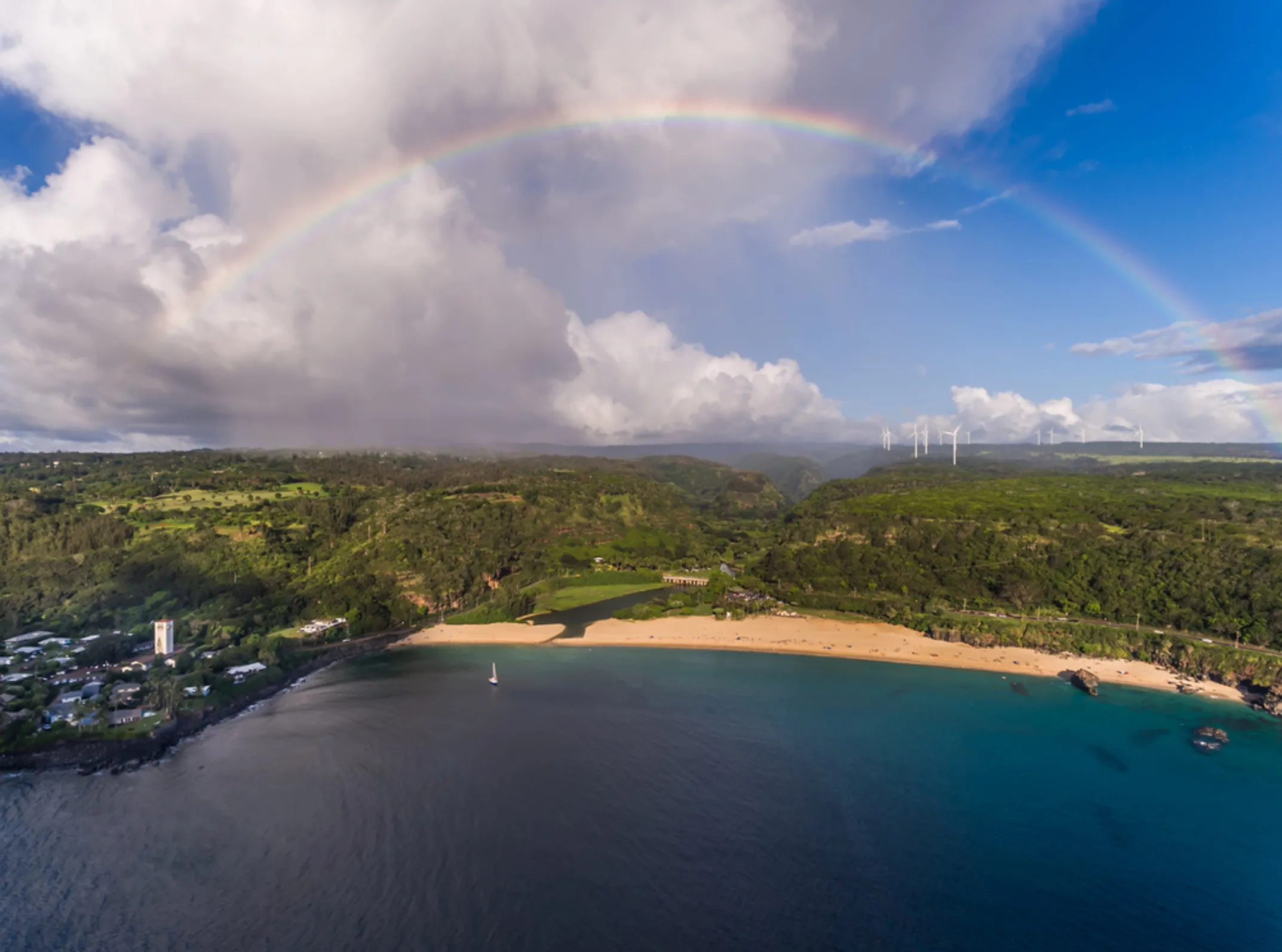
Living Culture in Modern Waimea
Where Hawaiian traditions thrive in daily life, not behind glass
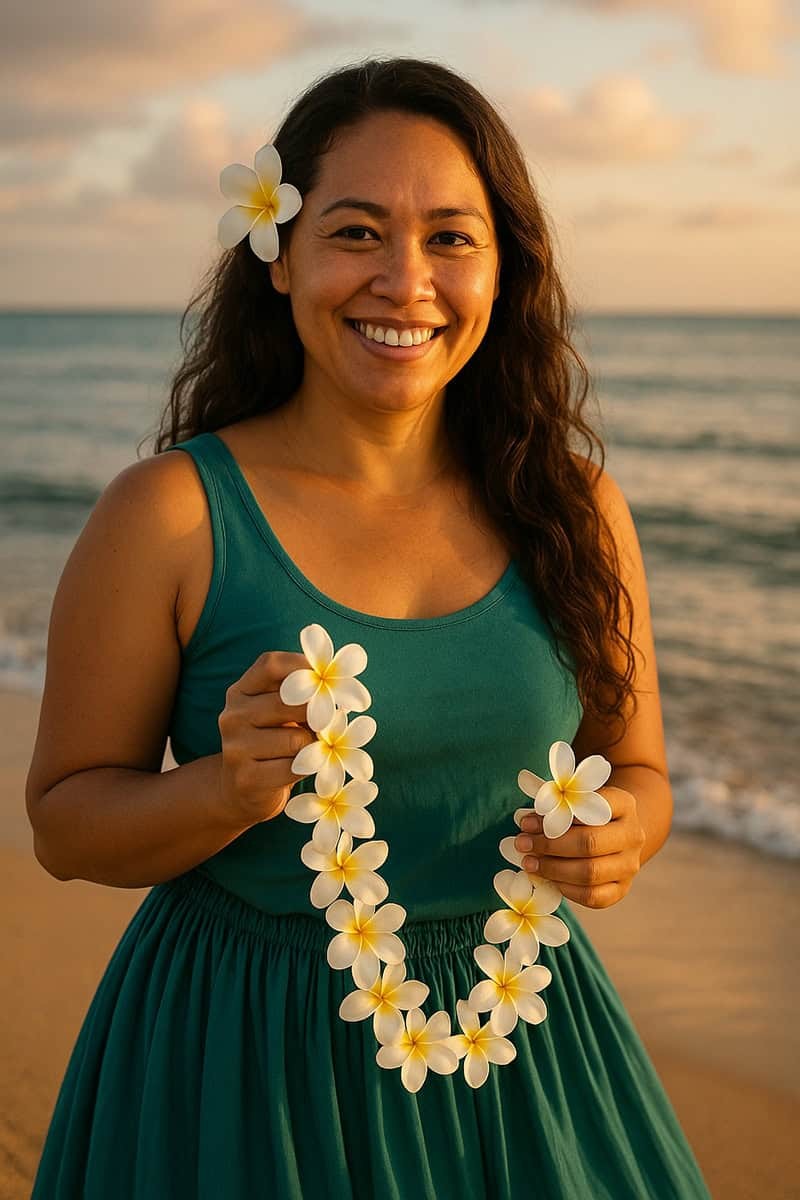
Written by a Local Expert
Leilani AkoWaimea isn't a historical museum where the past is safely contained behind glass. It's a living community where Hawaiian culture thrives in daily life. This shows up in ways both obvious and subtle throughout the town.
Language and Daily Life
You'll hear Hawaiian words woven naturally into conversation. Kupuna (elders) share stories with mo'opuna (grandchildren) at the pier. Local businesses use Hawaiian names that connect to place and history. This isn't performance for tourists—it's how people here naturally communicate.
Street signs display both English and Hawaiian names, helping preserve indigenous language. The post office sells stamps featuring Hawaiian monarchs and cultural symbols. Even small details like license plates and business signs reflect cultural pride and connection to place.
This isn't performance for tourists—it's how people here naturally communicate. The language lives in everyday interactions, connecting modern life to ancient roots.
Traditional Practices in Contemporary Settings
Hula hālau (schools) still meet regularly, passing down ancient dances and their meanings. Not the tourist version, but the real thing—hours of practice, deep cultural understanding, respect for tradition. Practitioners learn the stories each dance tells, the connection to specific places, the spiritual significance of movements.
Lei making continues as both art and spiritual practice. Certain flowers and leaves carry specific meanings. The lei's circular shape represents life's continuity. Making and giving lei maintains connections between people and land.
Traditional fishing practices blend with modern techniques. Elders teach young people to read weather patterns, understand seasonal fish movements, respect the ocean's power. This knowledge, passed down through generations, remains vital for both sustenance and safety.
Music and Storytelling
Hawaiian music fills the air at community gatherings, from impromptu pier sessions to organized events at the historic theater. Musicians play slack key guitar, ukulele, and steel guitar while singing in both Hawaiian and English. These aren't staged performances but natural expressions of cultural identity.
Storytelling traditions continue through both formal and informal channels. Kupuna share legends and historical accounts with anyone willing to listen. These stories often contain multiple layers—entertainment, education, spiritual teaching—depending on the listener's readiness to understand.
🗣️ Hawaiian Language
Woven naturally into daily conversation, street signs, and business names—connecting modern life to ancient roots.
💃 Hula Traditions
Hālau meet regularly, passing down ancient dances with deep cultural understanding and spiritual significance.
🌺 Lei Making
Art and spiritual practice combined—flowers carry meanings, circular shape represents life's continuity.
🎸 Music & Stories
Slack key guitar, ukulele, and storytelling traditions continue at gatherings—natural cultural expression.
🙏 Cultural Respect
- Learn basic Hawaiian words
- Ask before photographing
- Respect sacred sites
- Support local businesses
- Listen and learn
🌿 Mālama ʻĀina
Care for the land—practice sustainable tourism:
- Reef-safe sunscreen
- Stay on marked trails
- Pack out all trash
- Don't touch coral
The West Side Character: What Makes Waimea Special
Living on the West Side means accepting a different pace and set of priorities. It's drier and sunnier than Kauaʻi's other areas, creating unique landscapes and lifestyles. The red dirt gets into everything—your clothes, your car, your soul. People here joke that you know you belong when you stop trying to keep the red dust out.
Community Bonds
In Waimea, everybody knows everybody. This creates both accountability and support. When someone needs help, the community responds. When there's cause for celebration, everyone's invited. It's not always comfortable—privacy requires more effort—but it creates security and belonging increasingly rare in modern life.
Local businesses succeed through relationships, not just transactions. The store owner knows your family history. The mechanic remembers your car's quirks. The restaurant chef adjusts dishes to your preferences without being asked. These connections make daily life richer and more personal.
Resilience Through Change
Waimea has survived massive economic and social changes. The end of plantation agriculture could have killed the town. Instead, the community adapted, finding new ways to make living while preserving what matters most. Tourism provides income but hasn't overwhelmed local character.
This resilience shows in practical ways. People fix things instead of replacing them. They share resources and skills. They maintain buildings and traditions through volunteer effort when official funding falls short. The restored theater exemplifies this spirit—saved through community determination, not outside intervention.
Connection to Place
West Siders feel deep connection to their specific environment. They know which beaches are safe for swimming, which trails lead to the best views, when and where to find seasonal fruits. This knowledge comes from generations of observation and experience.
The red dirt isn't just soil—it's identity. The dry climate shapes daily routines and long-term planning. The ocean's proximity influences everything from dinner menus to weather predictions. Living here means developing intimate relationship with place that city life rarely provides.
Strong Bonds
Everybody knows everybody—creating accountability, support, and security increasingly rare in modern life.
Adaptation
Survived massive changes from plantation closure to hurricanes through community determination and shared effort.
Deep Roots
Intimate knowledge of place passed through generations—from fishing spots to seasonal rhythms.
Practical Wisdom for Visitors
Experiencing Waimea authentically requires more than just showing up. Early morning and late afternoon offer the best experiences. The light is beautiful for photography, temperatures are more comfortable, and you'll encounter fewer crowds. Local people are often more relaxed and willing to talk during these quieter periods.
Weekdays generally provide more authentic experiences than weekends when both tourists and locals are out in greater numbers. If you can visit Tuesday through Thursday, you'll see more of daily life and have easier access to popular sites.
Respect for place and people enhances everyone's experience. Dress modestly when visiting cultural sites. Ask permission before photographing people. Don't touch or move historical artifacts or natural features. Learn basic Hawaiian words and their meanings. Even simple efforts to use local language correctly shows respect and often leads to warmer interactions.
Choose locally-owned businesses when possible. This keeps money in the community and provides more authentic experiences. Buy locally-made products as souvenirs rather than mass-produced items. This supports island artists and craftspeople while giving you something unique with real connection to place.
Your Role in Waimea's Story
When you visit Waimea, you become part of its story. Your choices matter. Respectful visitors who take time to understand and appreciate what they're experiencing contribute positively. Those who rush through focused only on their own entertainment miss opportunities for meaningful connection.
The quality of interaction depends partly on what you bring to it. Curiosity, respect, and willingness to slow down open doors to authentic experiences. Entitlement, impatience, and cultural insensitivity close them.
Local people can sense the difference. They respond warmly to genuine interest and effort to understand their home. They appreciate visitors who see beyond surface attractions to recognize the depth and complexity of their community.
So when you come to Kauaʻi, come to Waimea. Buy poke from Ishihara's. Watch the sunset from the pier. Walk the quiet streets under the monkeypod trees. Stop at JoJo's for shave ice that tastes like childhood summer. Listen to the stories the old buildings whisper.
Don't just pass through. Stop. Let yourself feel the weight of history in the red dirt under your feet. Breathe the salt air that has carried the same messages for centuries. Touch the weathered stones of the Russian fort and imagine the unlikely alliance that built it.
The red dirt will get on your clothes. You'll try to brush it off, but some will remain. That's fitting. Waimea should leave its mark on you, just as countless others have left their marks on it.
Come to Waimea. But more than that—let Waimea come to you.