Waimea, Kauaʻi: Discovering the Soul of the West Side
Where Hawaiian history changed forever and the red dirt tells ancient stories

Written by a Local Expert
Leilani AkoWhere Everything Changed: Waimea's Place in Hawaiian History
Most people race through Waimea on their way to the canyon. They see old storefronts flash by their windows and nothing more. But if you slow down, if you let that famous red dust settle on your shoes, something magical happens. You start to see the real Waimea.
It hits you in waves. The salt air drifting from the pier. Stories whispered by the old sugar mill ruins. The complex history captured in Captain Cook's bronze gaze. This isn't just another small town. It's where Hawaiʻi's story changed forever.
I feel it every time I visit. There's something rooted deep in this earth, in the red dirt that gives Waimea its name—"Reddish Water" in Hawaiian. This soil holds memories spanning centuries. From ancient Hawaiian life to the earth-shaking changes of the past 200 years.
As someone whose own 'ohana has deep roots in these islands, Waimea speaks to me. It asks you to dig deeper than surface impressions. To see beyond the highway blur and discover what makes this West Side hub special.
This isn't your typical pass-through town story. We're going to explore layers of history most visitors miss. We'll meet the people and taste the flavors that define modern Waimea. You'll see how this community serves as the true heart of Kauaʻi's West Side.
Forget the quick stop for snacks. This is your invitation to see Waimea up close.
The Landing That Opened the Islands: January 20, 1778
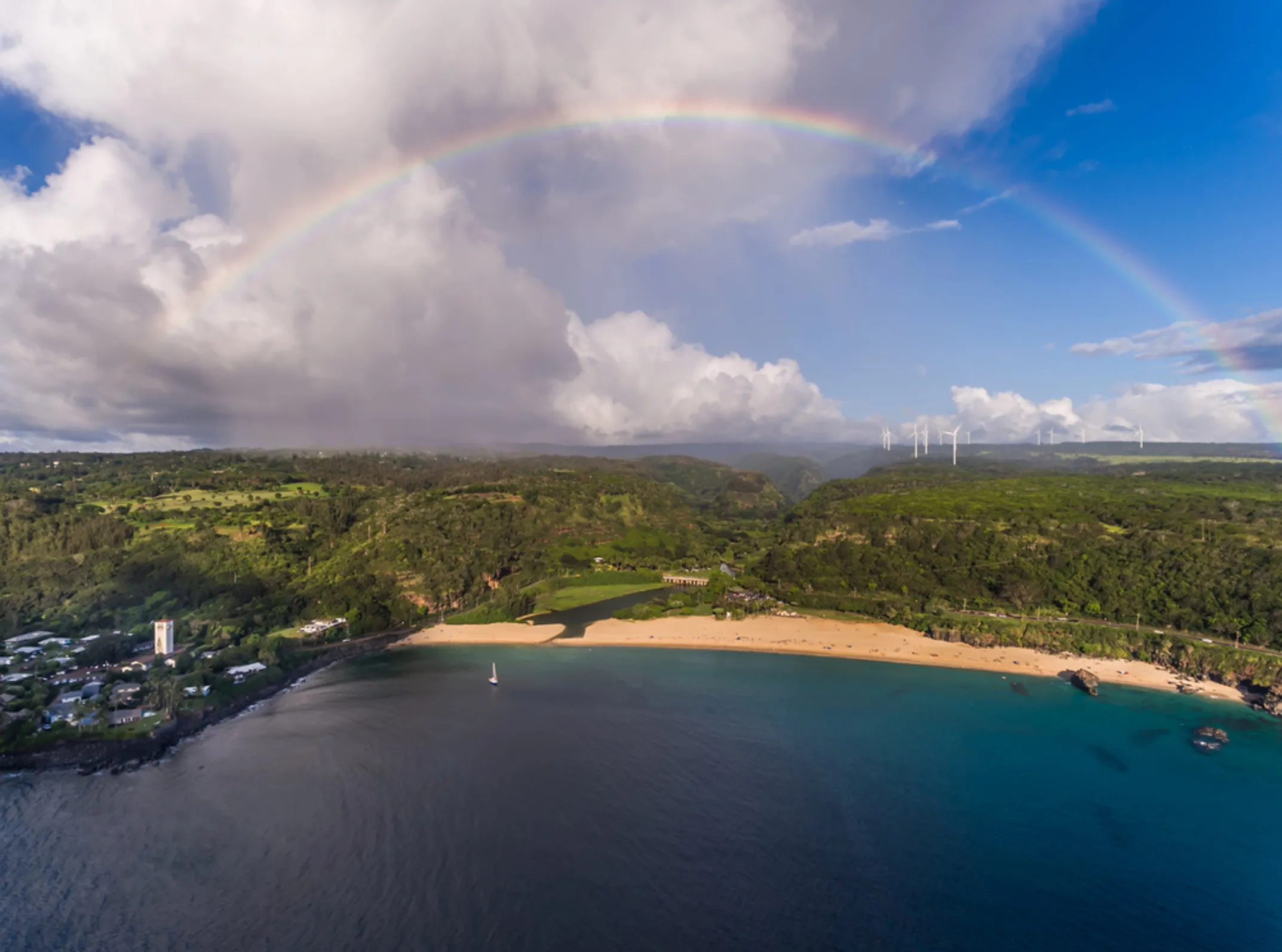
Picture two ships appearing on the horizon. For Native Hawaiians living at the mouth of the Waimea River, it must have been stunning. The HMS Resolution and Discovery, commanded by Captain James Cook, had spotted Oʻahu two days earlier. Cook chose Waimea Bay as a "tolerable" place to anchor and sent three boats ashore seeking fresh water.
This moment—the first European landing on Hawaiian soil—now carries National Historic Landmark status. But calling it a "discovery" misses the point entirely. This was first contact. A collision of worlds that would change everything.
The early meetings mixed curiosity with commerce. Hawaiians, fascinated by iron tools and ships, traded food for metal. Cook's sailors famously traded iron nails for other favors. Cook himself explored the river valley, his journals creating an invaluable but biased record of the people and culture he encountered.
This wasn't just about trade goods. Cook's arrival opened Hawaiʻi to the world, bringing new technologies and ideas. It also brought devastating diseases like tuberculosis and syphilis that would decimate the native population in coming years.
Cook never lived to see the full impact of his landing. He died on the Big Island at Kealakekua Bay in 1779 after relations broke down over a stolen boat. But his first steps on Hawaiian soil at Waimea remain the pivotal moment. It marked the beginning of massive cultural change.
The timing feels almost poetic. Waimea was also the domain of King Kaumualiʻi, the last aliʻi to rule an independent Kauaʻi. He resisted King Kamehameha I's conquest for years before finally joining the unified Hawaiian Kingdom through peaceful talks in 1810. Waimea represents both the start of the old world's end and its final, dignified moments.
🏛️ Russian Fort Elizabeth
A strange 1816 alliance between King Kaumualiʻi and Russians left behind this star-shaped fort overlooking the Waimea River.
🌾 Sugar Plantation Legacy
The Waimea Sugar Mill Company transformed the landscape and created the multicultural community that defines modern Hawaiʻi.
🎭 Historic Theater
The 1938 Art Deco theater was saved by community love and now hosts movies, music, and cultural events.
🎣 Waimea Pier
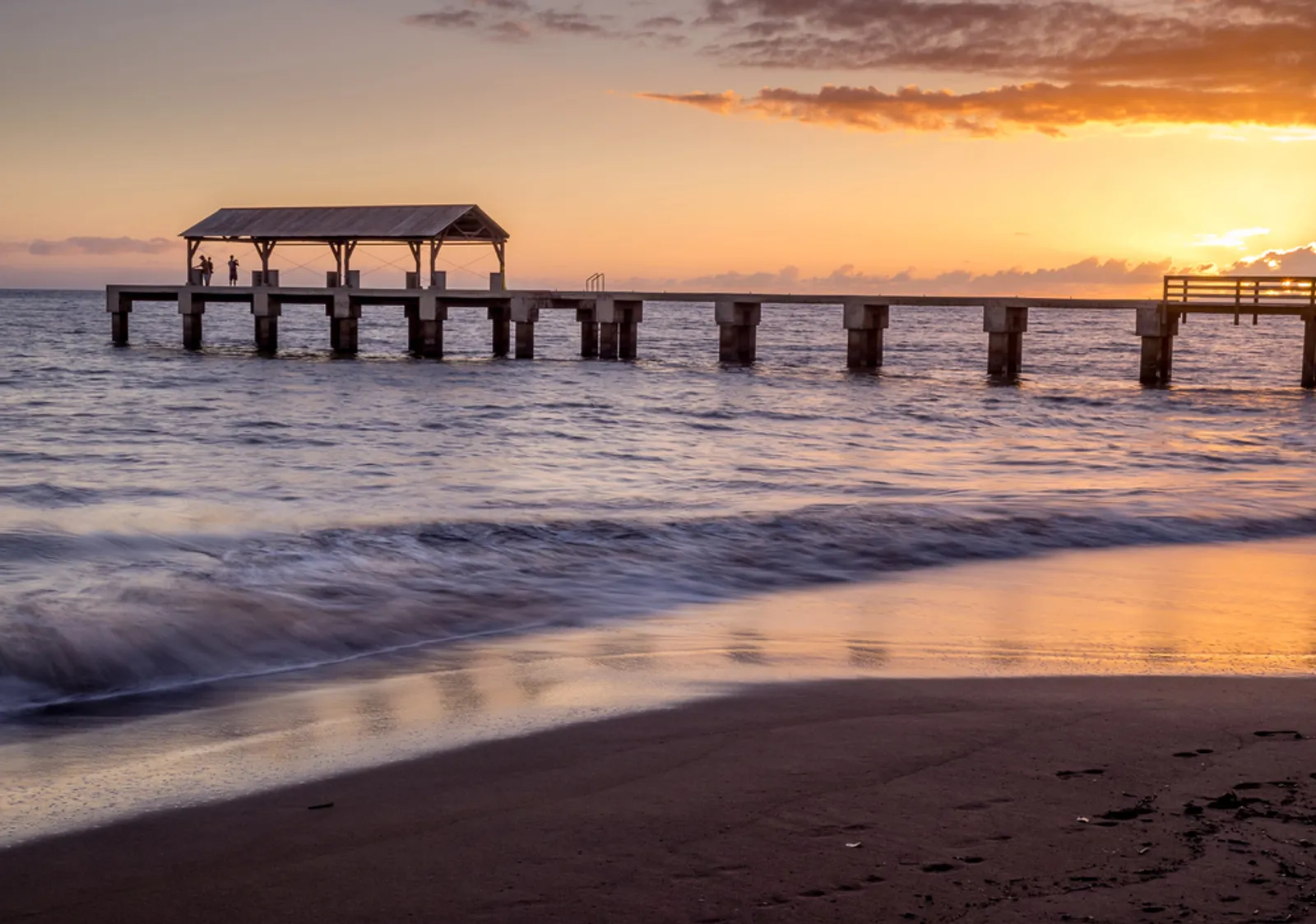
The 600-foot pier was once vital for sugar shipping. Now it's where families fish and watch legendary sunsets.
Explore Waimea's Stories
From plantation history to modern culture, discover the layers that make Waimea the heart of Kauaʻi's West Side.
ℹ️ Quick Info
- Location: SW Kauaʻi
- Best For: History lovers
- Time Needed: Half to full day
- Parking: Free & easy
🌟 Must-See
- Waimea Pier sunset
- Ishihara Market poke
- Russian Fort Elizabeth
- Historic Theater
- Captain Cook statue
🔗 Explore Waimea
When Sugar Ruled: The Plantation Era Changes Everything
After sandalwood traders and whaling ships used Waimea as a supply port, a new crop transformed the landscape: sugar. The Waimea Sugar Mill Company started in 1884, later owned by the powerful Faye family. The neighboring Kekaha Sugar Company joined in reshaping the West Side.
The dry climate was perfect for sugarcane but presented one big challenge: not enough rain. The solution was an engineering marvel. Workers built an elaborate network of ditches, flumes, and pumping stations to move water from mountain streams and the Waimea River. This turned barren land into productive fields.
Japanese workers brought special skills to build the tunnels connecting these irrigation systems. Their labor and expertise made the whole system work. This modern engineering echoed ancient Hawaiian ingenuity—the legendary Menehune Ditch nearby shows how irrigation has always been vital here. You can still see this large channel built of smoothed lava stones.
The human story of sugar might be its most lasting legacy. Plantations brought about 400,000 immigrants between the mid-1800s and early 1900s. They came from China, Japan, Korea, Portugal, Puerto Rico, and the Philippines. These diverse groups lived in "plantation camps"—small company-built houses forming tight communities.
James Yamauchi, who grew up in a plantation camp on Oʻahu, remembered it fondly: "Sugarcane was growing all around the camp houses, and we liked to chew on the raw stalks. It was really sweet; it was our candy... it was a peaceful, happy time."
This experience was mirrored in Waimea. The restored Waimea Plantation Cottages preserve this era—many are original worker homes moved from various Kauaʻi plantations. Some cottages still bear the names of families who lived in them.
Multicultural Roots
When immigrant groups intermarried, they blended families, customs, languages, music, and food—creating Hawaiʻi's unique "local" culture.
Engineering Marvels
Elaborate irrigation systems transformed dry land into productive fields, echoing ancient Hawaiian water management.
Living History
From haunting mill ruins to the West Kauaʻi Heritage Center, the plantation era stays alive in Waimea.
Sugar production has long since ended, but its impact lives on. From the haunting mill ruins to exhibits at the West Kauaʻi Heritage Center, this vital chapter stays alive.