Planning Your Perfect Waimea Canyon Visit
Critical Logistics & Insider Tips for a Seamless Day

Written by a Local Expert
Leilani AkoA trip into the canyon is a journey to a different world, and a little planning goes a long way. The elevation change, unpredictable weather, and sheer scale of the parks can catch visitors off guard. Here's everything you need to know to make your day seamless and spectacular.
The Two Roads Up: Waimea Canyon Drive vs. Kokeʻe Road
Visitors often get confused about the best route, but it's simpler than it seems. There are two roads from the main highway that lead up the mountain: Waimea Canyon Drive (Highway 550) starts in Waimea town, and Kokeʻe Road (Highway 552) starts a bit further west in Kekaha. A few miles up, these two roads merge and become one: Kokeʻe Road (still designated as Hwy 550), which continues all the way to the top of the park. You're going to the same place no matter which one you start on.
My "Top-Down" Strategy
From my experience, the most common mistake visitors make is stopping at the first lookout and working their way up. I recommend the opposite: Drive all the way to the end of the road first—to the Puʻu o Kila Lookout—and then hit the other lookouts and trailheads on your way back down.
The reason is simple: weather. The highest lookouts, which offer the premier views of the Nā Pali Coast, are the first to get socked in by clouds, which tend to build as the day heats up. By getting to the top early, you maximize your chance of a clear, breathtaking view.
When to Visit: Decoding Weather, Crowds, and Light
The canyon's mood changes dramatically with the time of day and the season.
Time of Day
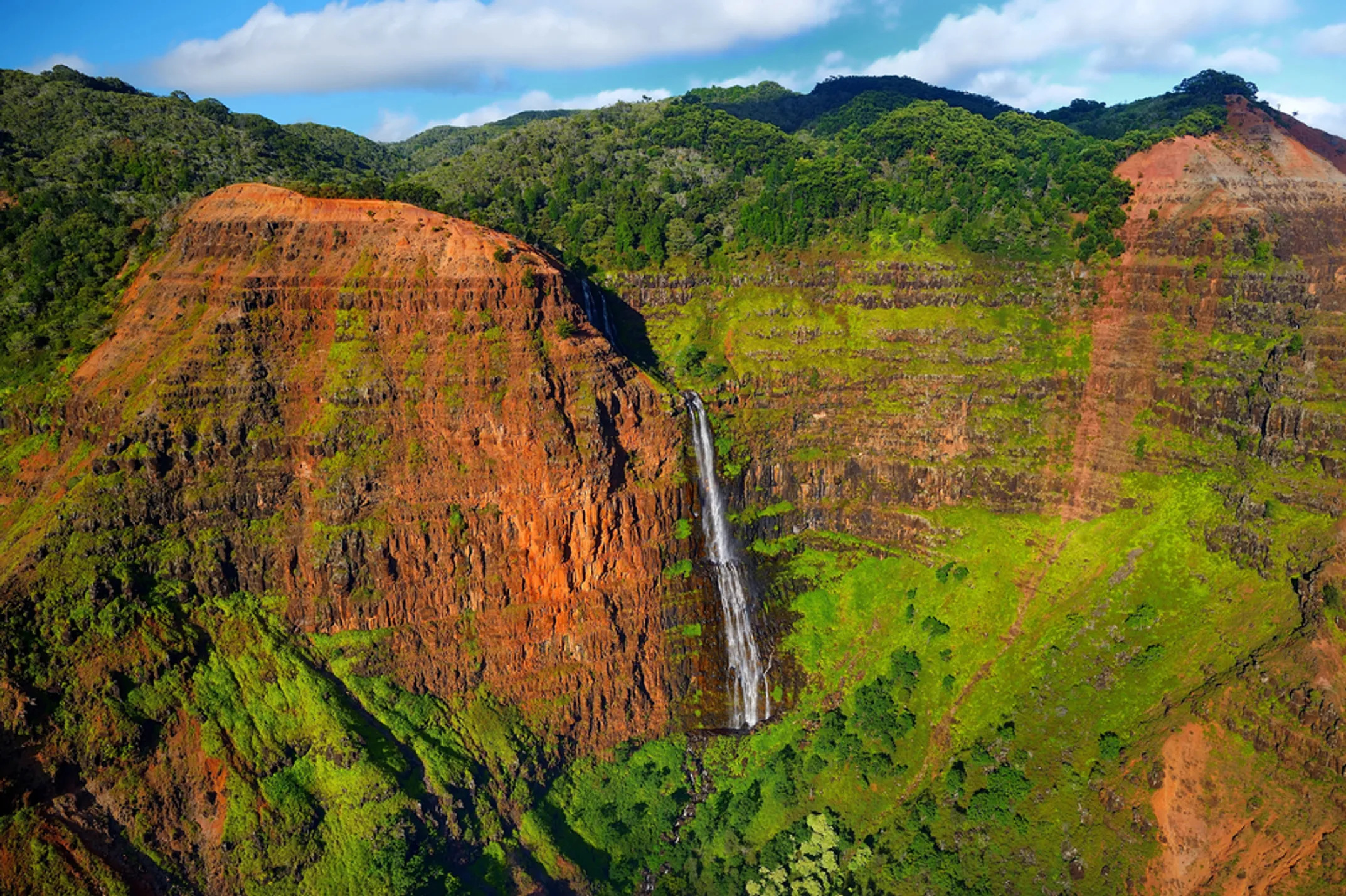
The best time for clear, cloud-free vistas, especially at the Kalalau and Puʻu o Kila Lookouts, is early in the morning, typically between 8 AM and 10 AM. The air is often crisp and the views unobstructed. However, the late afternoon light, from about 3 PM onwards, is a photographer's dream. The low sun casts dramatic shadows, accentuating the canyon's ridges and bathing the red rocks in a warm, golden glow. The trade-off is a higher risk of cloud cover.
My advice? Don't be discouraged if you see clouds at the base of the mountain. The weather up top is its own ecosystem and can change in minutes. I've often driven up through a downpour only to find the summit bathed in sunshine.
Seasonal Weather Patterns
Kauaʻi has two main seasons, and each offers a completely different canyon experience:
☀️ Summer (May to October)
- Weather: Generally drier and hotter
- Trails: Less muddy, more reliable conditions
- Waterfalls: May be less powerful or dry
- Temperature: 82-85°F at sea level in Waimea
- Best for: Hiking and photography requiring clear skies
🌧️ Winter (November to April)
- Weather: Wet season, cooler temperatures
- Trails: Can be extremely muddy and slippery
- Waterfalls: Powerful, misty cascades at their best
- Wettest Month: March (avg 5.72 inches)
- Best for: Waterfall photography, lush green landscapes
Park Fees & Parking: What to Expect in 2025
For non-residents, there is a mandatory dual fee to enter the state parks. As of 2025, the cost is $10 per vehicle for parking, plus a $5 per person entrance fee for everyone aged 4 and older. Hawaii residents with a valid state ID or driver's license can enter and park for free.
💳 How to Pay
You can pay at the automated kiosks located in the parking lots of the main lookouts, including the Waimea Canyon Lookout, Puʻu Hinahina Lookout, and Kalalau Lookout. Be sure to have your vehicle's license plate number handy, as you'll need to enter it into the machine.
One of the most common questions: Do you have to pay at each stop? The answer is no. A single payment covers parking and entry for both Waimea Canyon State Park and Kokeʻe State Park for the entire day.
CRITICAL ALERT: Waimea Canyon Lookout Closure (July-Dec 2025)
🚧 Construction Notice
It is crucial for visitors planning a trip in the latter half of 2025 to be aware of a major construction project. The main Waimea Canyon Lookout (at mile marker 10) will be completely closed from July 14, 2025, through early December 2025 for safety improvements. This closure will be in effect 24/7, including weekends.
Additionally, other roadwork projects will be ongoing along both Waimea Canyon Drive and Kokeʻe Road, which may cause traffic delays and limit parking at other lookouts, including the Kalalau Lookout. If your trip falls during this period, plan for extra travel time and consider visiting on a weekend when most of the roadwork (though not the lookout closure) will be suspended. For the most current information, always check the official Hawaii State Parks website for alerts before you go.
What to Pack: My Essentials
Packing correctly ensures comfort and safety. Here's my must-have list:
🧥 Layers are Essential
The temperature can drop 15-20 degrees from the coast to the summit. It might be a balmy 80°F in Waimea town, but a cool 60°F with wind and mist in Kokeʻe. A light jacket, sweatshirt, or rain jacket is non-negotiable.
👟 Sturdy Footwear
If you plan to do any hiking at all, even a short trail, wear hiking shoes or athletic sneakers with good grip. The trails are uneven and can be slippery. Leave the slippahs (flip-flops) in the car.
⛽ Fuel and Water
There are no gas stations within the parks. Fill up your tank in Waimea or Kekaha before you start the drive up. Bring plenty of water (at least 2 liters per person) and some high-energy snacks, as facilities are limited to the lodge and museum area.
☀️ Sun Protection
The high elevation sun can be intense, even on cloudy days. Pack reef-safe sunscreen, a hat, and sunglasses.
📷 Camera and Binoculars
The scale of the canyon is immense. A camera is a must, and binoculars are great for spotting distant waterfalls and the native birds that soar on the thermals.
Weather Patterns and Microclimates
Understanding the complex weather patterns of Waimea Canyon and Kokeʻe is crucial for planning your visit. The dramatic elevation changes create distinct microclimates that can vary tremendously even over short distances.
The Rain Shadow Effect
The canyon sits in what's called a rain shadow, created by the mountains blocking moisture-laden trade winds coming from the northeast. This creates the dramatic contrast between the wet, lush interior of the island and the relatively dry western coast where the canyon is located. At sea level in Waimea, annual rainfall averages around 20 inches per year, while just a few miles up the mountain at Kokeʻe, it can exceed 100 inches annually.
Daily Weather Cycles
Understanding the daily weather cycle is key to timing your visit. Early morning typically offers the best visibility, with cool, clear air and minimal cloud cover. As the day heats up, thermal currents begin to form, creating the towering cumulus clouds that can quickly obscure the higher elevation viewpoints. By afternoon, cloud cover is common at the upper elevations, though it can clear again toward sunset.
Elevation Effects
The temperature typically drops about 3-4 degrees Fahrenheit for every 1,000 feet of elevation gain. This means that on a warm 85-degree day at sea level, it might only be 65 degrees at the Kalalau Lookout. Add wind and mist, and it can feel much cooler. The elevation also intensifies the sun's effects, making sunscreen essential even on cloudy days.
Continue Your Waimea Canyon Deep Dive
Back to Waimea Canyon Overview
← Overview⏰ Best Times
- Morning Views:
8-10 AM for clear skies
- Photography:
3 PM+ for golden light
- Dry Season:
May-Oct (best hiking)
- Waterfalls:
Nov-Apr (wet season)