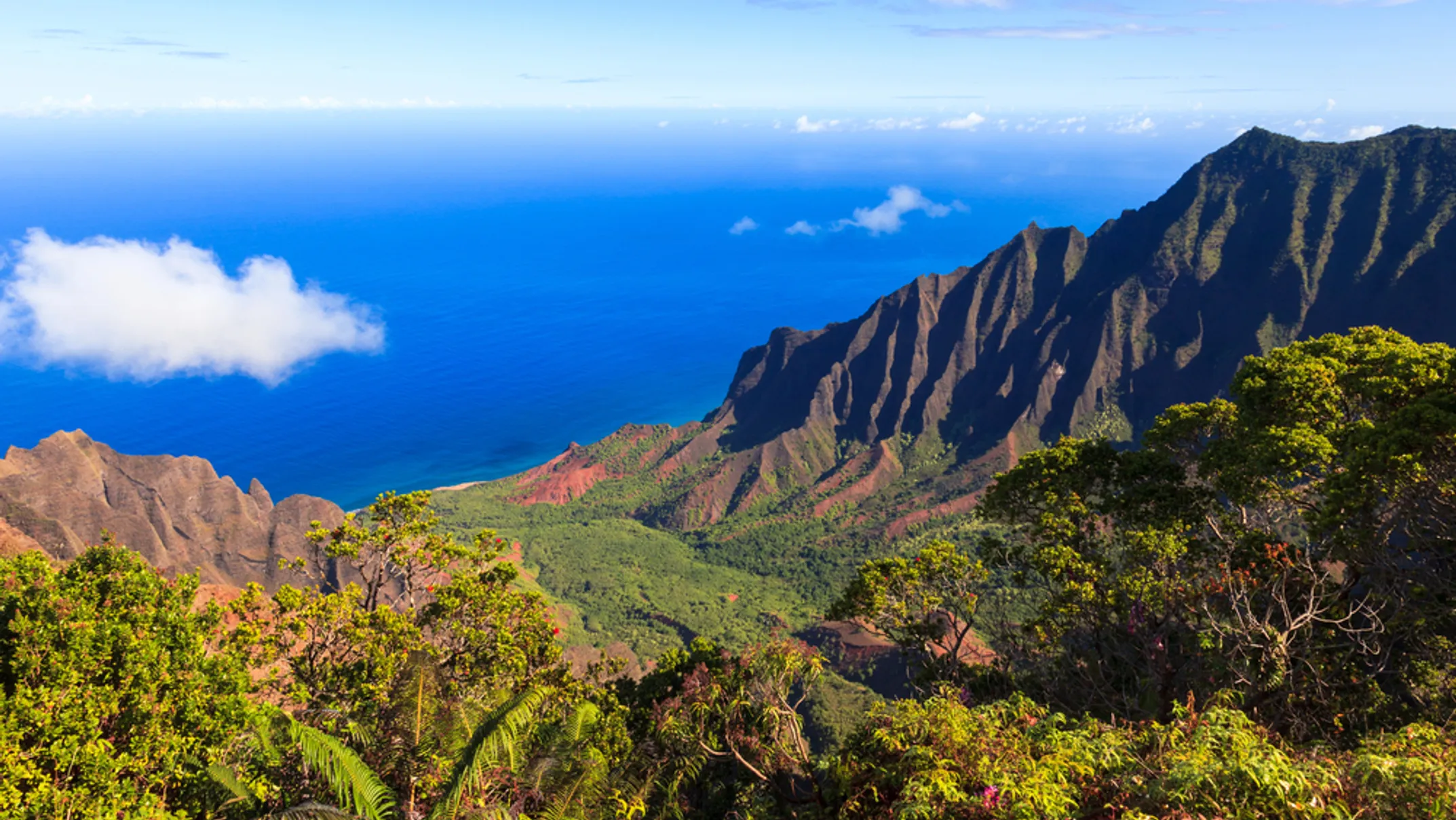

Most people come to Kauaʻi for the sun and sand. They want golden shores and gentle waves. But for me, the island's true magic lives where the temperature drops and clouds gather. My compass always points mauka—toward the mountains.
The journey up Highway 550 transforms everything. The air changes from thick salt and humidity to crisp and cool. Ocean scent gives way to damp earth, wild ginger, and sharp eucalyptus. This is your entrance to another world: Kokeʻe State Park.
Perched on a plateau between 3,200 and 4,200 feet above sea level, Kokeʻe is a realm. Misty forests spread everywhere. Canyons plunge deep into the earth. Vistas steal your breath and humble your soul. It feels ancient—a sanctuary of quiet thought and rugged adventure. The contrast with Kauaʻi's vibrant coastal energy couldn't be stronger.
Kokeʻe isn't just a park to me. It's part of my story. I've spent years learning its secrets. I know trails that cake your boots in Kauai's signature red dirt. I've found quiet corners where only native forest birds sing. I've been rewarded with crystal-clear views of the Nāpali Coast. I've also been humbled by fog so thick you can't see ten feet ahead.
In this guide, I'm not just showing you a map. I'm sharing my Kokeʻe—the one that lives beyond postcards. We'll explore iconic lookouts and dive deep into trails that define the park. We'll uncover secrets of its rustic lodge. We'll learn how to experience this fragile ecosystem with the respect it deserves.
This is your complete adventurer's guide to Kauaʻi's crown jewel.
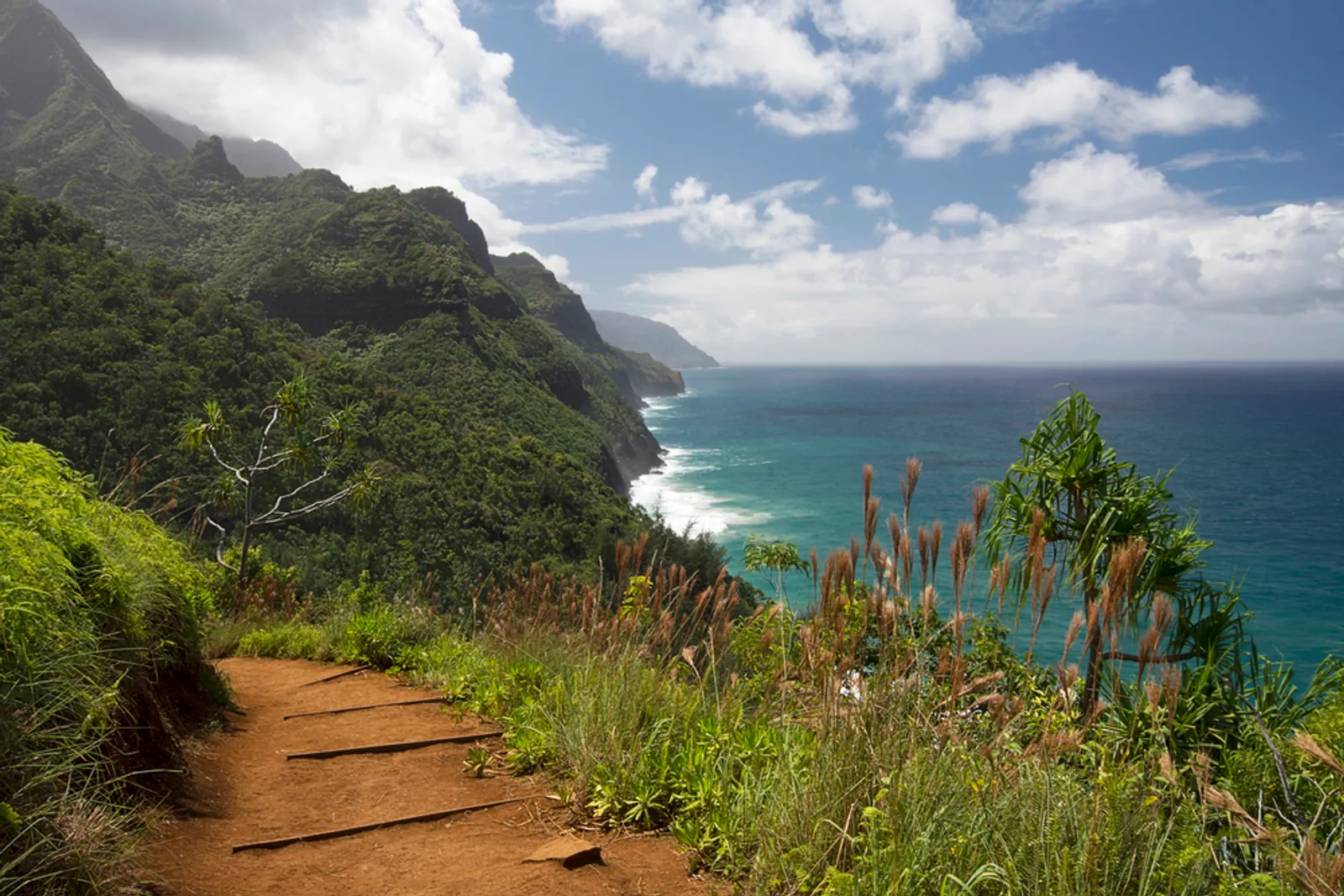
Planning Your Adventure: What to Know Before You Go
A trip into Kauaʻi's uplands needs more planning than a beach day. The environment is different. Weather is fickle. Being prepared is key to a safe and unforgettable adventure.
Current Road Conditions (2024-2025)
Waimea Canyon Lookout Closure: The main Waimea Canyon Lookout is closed for construction from July 14, 2025, through early December 2025. Expect delays along Highway 550 and Kōkeʻe Road due to overlapping projects.
Limited Lookout Access: You can drive as far as Kalalau Lookout, but expect limited parking. The gate providing car access to Puʻu O Kila Lookout has been closed since March 2024, but you can still walk there from Kalalau Lookout.
My advice: Be patient and drive with extra care. Check the official Hawaii State Parks website before you go.
Entrance Fees and Hours
Kokeʻe State Park is generally open during daylight hours. Non-Residents: $5 per person and $10 per vehicle. Hawaiʻi Residents: Free with valid Hawaiʻi State ID. This fee grants access to both Waimea Canyon State Park and Kokeʻe State Park for the entire day—you do not need to pay twice.
Weather Wisdom
The number one mistake visitors make is underestimating the weather. It can be 85°F in Waimea town, but by 4,000 feet, temperatures can drop to the low 60s. Winter nights can plunge into the 40s. The park sits next to Mount Waiʻaleʻale, one of the wettest spots on Earth. Rain is a frequent visitor. A t-shirt, long-sleeve layer or fleece, and a waterproof rain jacket are essential. Never go without a rain jacket.
⚠️ Critical Safety Information
- No Cell Service: Don't count on your phone. Download trail maps before you leave.
- Scuba Diving Warning: Due to high elevation, wait at least 24 hours after scuba diving before driving up to avoid decompression sickness.
- Practice Kuleana: Stay on marked trails, pack out everything, never feed wildlife, especially nēnē (our state bird).
The Essential Lookouts: A Tale of Two Views
The drive through Kōkeʻe culminates in two of the most famous lookouts in the islands. Both offer breathtaking views into the legendary Kalalau Valley.
Kalalau Lookout (Mile Marker 18): The Classic Postcard
This is the view you've seen in pictures. Nothing can prepare you for the real thing. As you walk to the railing, the world simply falls away. Before you lies the Kalalau Valley—a breathtaking amphitheater of emerald-green cliffs. They're fluted and folded by millennia of wind and rain, plunging 4,000 feet to a distant, turquoise sea. This is the first, jaw-dropping, head-on vista you get. It's easily accessible, making it the most popular stop for tour buses and casual visitors.
Practical Tip: The Kalalau Lookout has restroom facilities. This is crucial to remember—the next lookout, Puʻu O Kila, does not. Make this your planned pit stop.
Puʻu O Kila Lookout (End of the Road): The Ultimate Panorama
Here's an insider tip: If you ask any local hiker or photographer, they'll tell you to keep driving. Just a mile past the Kalalau Lookout, at the very end of the road, is the Puʻu O Kila Lookout. While the first lookout is stunning, this one is superior in my opinion.
Being slightly higher (around 4,153 feet) and further along the rim, Puʻu O Kila offers a more angled, sweeping panoramic perspective. From here, your view isn't just into the valley—it extends further down the rugged Nāpali Coast, revealing more of the dramatic, knife-edge cliffs as they march toward the sea. On a truly clear day, you can even catch glimpses of the white sands of the North Shore. This is the adventurer's choice—the view that rewards the extra effort.
It also serves as the trailhead for the Pihea Trail, which traces the rim of the valley before plunging into the famous Alakaʻi Swamp, the highest-elevation swamp in the world.
Pro-Tips for Both Lookouts
Timing is Everything: To give yourself the best chance of clear views and avoid the biggest crowds, arrive before 9 AM. Clouds often roll in mid-morning and can linger for the rest of the day.
The Art of Patience: If you arrive and the valley is socked in with fog, don't give up immediately. I've sat at Puʻu O Kila for 20 minutes in a total white-out, ready to leave. Then the clouds parted like a theater curtain for the most spectacular reveal. Kokeʻe rewards the patient.
What You're Seeing: The Kalalau Valley was once home to thousands of Native Hawaiians—a self-sufficient community in one of Earth's most remote places. Today, it's accessible only by sea or by completing the grueling 11-mile Kalalau Trail from the North Shore.
The Complete Kokeʻe Hiking Experience
This is the heart of the Kokeʻe experience. The park is laced with over 45 miles of trails. They range from easy nature walks to some of the most challenging ridge hikes in the state. This is where you find the Kokeʻe that tour buses can't reach.
Trail Overview: Choose Your Adventure
Awaʻawapuhi Trail
Difficulty: Strenuous but Unforgettable
Distance: 6.2 miles round-trip
Elevation: ~1,600 feet down, then back up
Experience: Epic Nāpali ridge views
Pihea Trail
Difficulty: Moderate to Strenuous
Distance: 3.8 miles round-trip
Elevation: ~500 feet
Experience: Muddy rim walk, Kalalau views
Canyon Trail
Difficulty: Moderate
Distance: ~3.6 miles round-trip
Elevation: ~1,000 feet
Experience: Canyon views, top of waterfall
Alakaʻi Swamp Trail
Difficulty: Moderate to Strenuous
Distance: ~7.0 miles round-trip
Elevation: ~330 feet
Experience: Otherworldly boardwalk trek
The Awaʻawapuhi Trail: The Ridgetop Epic
This is what I call an "inverted hike," and it's a mind-bender if you're not prepared. The journey begins with a 3.1-mile descent of over 1,600 feet. It winds through the cool, shaded Na Pali-Kona Forest Reserve. The trail culminates at an unfenced lookout point perched at 2,500 feet. The view is simply staggering—a 180-degree panorama of the Nāpali Coast, with cliffs dropping thousands of feet to the ocean below.
The Challenge: The descent is easy. The real challenge is climbing back up every single one of those 1,600+ feet over 3.1 miles. It's a relentless, leg-burning, lung-busting ascent that tests your endurance. My rule: when you reach the lookout, you should still have more than half your water and half your energy left. The real hike is the climb out.
The Pihea Trail: The Muddy Rim Classic
This hike begins right at the Puʻu O Kila Lookout, starting as a wide, red dirt path that looks more like a road than a trail. There's a fascinating reason: it's the remnant of a failed road project from the 1950s that attempted to connect Kokeʻe with the North Shore before the formidable Alakaʻi Swamp defeated the machinery.
The first mile offers some of the most accessible and spectacular views into Kalalau Valley. But then, the trail transforms—it narrows, plunges into forest, and often becomes a slippery, muddy gauntlet of gnarled roots and slick clay. Footwear with aggressive tread is essential. Hiking poles are a game-changer here. Don't get fixated on reaching the official "end." The most rewarding views are along that first spectacular mile of the rim.
The Canyon Trail to Waipoʻo Falls: The Waterfall Illusion
This is one of the best trails for getting up close with the grandeur of Waimea Canyon itself. The hike starts from a trailhead near Puʻu Hinahina Lookout, descends into a forested gulch, crosses the cool waters of Kōkeʻe Stream, then climbs back up to follow the canyon rim.
Important: The trail leads you to the top of the 800-foot Waipoʻo Falls. You'll end at lovely small cascades and pools that are the source of the main waterfall. But you will not see the massive, plunging waterfall itself from the trail's end. You'll be standing on top of it, looking out over the vastness of the canyon. To get the classic waterfall shot, stop at the main Waimea Canyon Lookout on your drive.
The Alakaʻi Swamp Trail: The Otherworldly Trek
Prepare to enter a primeval world. The Alakaʻi Swamp Trail is a journey into one of the planet's most unique ecosystems—one of the world's highest-elevation wetlands, often shrouded in sacred mist. The experience is defined by the famous boardwalk, a wooden path installed in 1991 that snakes for miles through this fragile environment, surrounded by moss-draped ʻōhiʻa trees, giant hāpuʻu tree ferns, and low-lying bog plants. Waterproof hiking boots are non-negotiable. The Alakaʻi is pure magic, but it demands deep respect. Always stay on the boardwalk.
Beyond the Hiking Trails
While the trails are the main draw for adventurers, the soul of Kokeʻe is also found in its quiet, rustic gathering places. To fully appreciate the park, you need to slow down and embrace the mountain lifestyle.
The Kōkeʻe Natural History Museum
Make this small, charming museum your very first stop in the park. Run by the dedicated non-profit Hui o Laka, the museum serves as the park's de facto visitor center. The staff and volunteers here have the most reliable, up-to-date information on trail conditions. They can look at your footwear, listen to your plans, and give you honest advice on whether a trail is right for you. You can also pick up excellent trail maps here. The exhibits provide fascinating context—geology, native plants and birds, and a powerful exhibit on Hurricane Iniki's 1992 impact. Because it relies on donations, your gift shop purchase goes a long way to supporting their educational mission.
The Lodge at Kōkeʻe
Nestled in a meadow near the museum, The Lodge at Kōkeʻe is the heart of the park. Don't expect fancy—expect authentic. The lodge has a cozy, "old Hawaii" mountain cabin feel, complete with a large stone fireplace. The food is surprisingly delicious and hearty, perfect for a post-hike appetite.
For breakfast or early lunch, try the Kokeʻe Cornmeal Pancakes with fruit compote and macadamia nuts. For a chilly afternoon, nothing beats their famous Portuguese Bean Soup or Local Grass-Fed Beef Chili with signature cornbread. The Kalua Pork Plate and Loco Moco are local classics done right. They also have a great cocktail menu with locally inspired drinks like the Kalalau Coffee (mac nut liqueur and Kahlua) and Waipoʻo Falls (mezcal and Aperol).
The Cabins: Ultimate Kokeʻe Immersion
For the ultimate Kokeʻe immersion, rent one of the 12 rustic cabins managed by the Lodge. This is a true "unplugged" experience with no TV, no internet, and no cell service. What you get instead is peace, quiet, and the stars.
The cabins are simple but equipped with essentials: full kitchen, private bathroom, and a wood-burning stove to ward off the mountain chill. They book up months in advance, so plan ahead. Stargazing from your cabin porch on a clear, moonless night is an absolutely incredible experience.
Camping in the Clouds: A Complete Experience
There is something truly special about sleeping under the stars at 4,000 feet. You wake up to crisp mountain air and the chorus of forest birds. The Kokeʻe campground offers a rustic and memorable experience for the well-prepared camper. This isn't beach camping—this is mountain camping. Expect cool temperatures, misty mornings, and a profound sense of being immersed in the forest.
Permits and Logistics
Camping is by permit only. You must book a specific campsite online through the DLNR's official reservation portal. I recommend doing so as soon as your plans are firm—up to 90 days in advance, as sites fill up quickly. As of 2024, the fee is $20 per night for Hawaiʻi residents and $30 per night for non-residents.
Facilities
The campground is minimally developed but has the essentials: restrooms with flushing toilets, cold outdoor showers, drinking water spigots, and picnic tables at each site.
Critical Rules and Tips
The Cold: This is the most important tip. It gets cold at night, year-round. Temperatures can easily drop into the 40s (°F). A warm sleeping bag, a sleeping pad to insulate you from the cold ground, and layered clothing are not optional—they are essential for a comfortable night.
No Campervans: The state park rules are very clear on this: camping is for tents only in designated campsites. Campervans, RVs, and rooftop tents are not permitted in the campground.
No Campfires: To protect the forest, open wood campfires are strictly prohibited. You must use a campstove or a portable grill for cooking.
The Living Forest: Flora and Fauna
The trails and lookouts are the skeleton of Kokeʻe, but the forest is its living, breathing soul. Taking a moment to appreciate the unique plants and animals here deepens the entire experience.
The Forest
The park is a montane mesic forest, dominated by two iconic native Hawaiian trees. Look for the mighty Koa (Acacia koa), with its beautiful sickle-shaped leaves, and the sacred ʻŌhiʻa Lehua (Metrosideros polymorpha), often identifiable by its fluffy, vibrant red blossoms. You'll also find stands of introduced trees, like California Redwoods and Sugi pines, planted in the last century.
Birdwatching Paradise
Kokeʻe is a world-class destination for birders because its cool, high-elevation forests have become the last refuge for Kauaʻi's endemic forest birds. Many are critically endangered. Listen carefully as you hike, and you might be rewarded with a glimpse of these forest jewels:
ʻApapane
Common throughout the park
ʻAmakihi
Best on Kaluapuhi and Pihea Trails
ʻElepaio
Found on Pihea Trail, often curious
ʻIʻiwi
Bright scarlet, near ʻōhiʻa trees
🌿 Conservation Call to Action
This forest is a fragile treasure facing serious threats. Avian malaria, carried by mosquitos at lower elevations, has forced these beautiful birds into this last mountain stronghold. Fungal diseases like Rapid ʻŌhiʻa Death and koa wilt threaten the very trees they call home. These diseases are spread through contaminated soil on shoes and gear.
Your kuleana: Before and after your hike, use the boot brushing stations if available. Or simply take a moment to scrub your shoes and remove all visible soil and mud. It's a small act of respect that helps ensure this sanctuary remains for generations to come.
My Perfect Day in Kokeʻe: A Complete Itinerary
Feeling overwhelmed by the options? Here is my blueprint for a perfect, full day that combines the park's best features into one unforgettable experience.
Morning (7:00 AM - 12:00 PM): Beat the Crowds and the Clouds
Get an early start and drive straight to the end of the road. Your first stop is Puʻu O Kila Lookout to catch the best morning light on the Nāpali Coast. From there, choose your marquee hike for the day. If you're feeling energetic and craving epic views, commit to the Awaʻawapuhi Trail. If you want a classic rim walk with a high chance of mud and incredible Kalalau vistas, start down the Pihea Trail.
Afternoon (12:30 PM - 4:00 PM): Refuel and Learn
You've earned it. Drive back to the main meadow and head straight to The Lodge at Kōkeʻe for a well-deserved lunch. I highly recommend the chili or a loco moco to refuel. Afterwards, walk a few feet over to the Kōkeʻe Natural History Museum. This is the perfect time to go, as you can now put names and stories to the plants, birds, and landscapes you just experienced on your hike.
Late Afternoon (4:00 PM onwards): The Grand Finale
The day isn't over yet. On your drive down the mountain, make your final stop at the main Waimea Canyon Lookout (once it reopens from construction, or another roadside pullout in the meantime). The low, golden light of the late afternoon casts dramatic shadows across the canyon walls. It offers a completely different and equally breathtaking perspective than the one you saw in the morning. It's the perfect way to say aloha to the uplands.
Essential Packing List for Your Kokeʻe Adventure
Based on years of experience in these mountains, here's what you absolutely need:
👕 Clothing
- • Moisture-wicking base layer
- • Insulating fleece or light jacket
- • Waterproof rain jacket (non-negotiable)
- • Quick-dry hiking pants
- • Warm hat and sun hat
- • Extra socks (trust me on this)
🥾 Footwear & Gear
- • Sturdy hiking boots with aggressive tread
- • Consider gaiters for muddy trails
- • Sandals for after hiking
- • Daypack (30-40 liters)
- • Hiking poles (especially for Pihea)
- • Headlamp or flashlight
🎒 Essentials
- • Plenty of water (2-3 liters minimum)
- • High-energy snacks
- • First aid kit
- • Trail map (paper backup)
- • Camera with extra batteries
- • Trash bags (pack it out)
Optional but Recommended
Understanding Kokeʻe's Seasons and Weather Patterns
While Hawaiʻi doesn't have traditional seasons, Kokeʻe definitely has weather patterns worth knowing about.
Dry Season (April - October)
Generally drier conditions, but "dry" is relative at this elevation. You can still expect frequent light showers.
- • Daytime highs in the 70s°F
- • Nighttime lows in the 50s-60s°F
- • Better trail conditions
Wet Season (November - March)
More frequent and heavier rains. Trails can be muddy and slippery. Some trails may be closed due to dangerous conditions.
- • Daytime highs in the 60s-70s°F
- • Nighttime lows in the 40s-50s°F
- • More challenging hiking
Year-Round Considerations
- • Morning fog is common any time of year
- • Weather can change rapidly
- • Higher elevations are always cooler and wetter
- • Trade winds can make temperatures feel cooler
Respecting the Sacred: Cultural Sensitivity in Kokeʻe
Kokeʻe is more than a recreational area. It's a sacred space with deep cultural significance to Native Hawaiians. Here's how to visit with respect:
Traditional Hawaiian Values
- Mālama ʻĀina: Care for the land
- Kuleana: Accept responsibility for your actions
- ʻOhana: Treat others like family
- Aloha: Show love and respect
Practical Ways to Show Respect
- • Stay on designated trails
- • Don't remove anything from the park
- • Speak quietly in sacred spaces
- • Learn about the area's history and culture
- • Support local businesses and organizations
Continue Your West Side Adventure
Explore more spectacular destinations on Kauai's wild coast
ℹ️ Essential Park Info
- Elevation: 3,200-4,200 ft
- Entry Fee: $5/person + $10/car
- Trails: 45+ miles
- Temperature: 40s-70s°F
- Museum: 11am-3pm weekdays
- Lodge: Breakfast & Lunch
🥾 Top Trails
6.2 mi • Strenuous • Epic views
3.8 mi • Moderate • Rim walk
3.6 mi • Moderate • Waterfall
7.0 mi • Strenuous • Boardwalk
🗺️ Kokeʻe Guide
🗺️ West Side Guide
🎒 What to Bring
- Rain jacket (essential!)
- Warm fleece or layers
- Sturdy hiking boots
- 2-3 liters of water
- Hiking poles for mud
- Download trail maps (no cell)
💡 Pro Tips
- Arrive before 9 AM for clear views
- Drive to Puʻu O Kila, not just Kalalau
- Stop at museum first for trail info
- Wait out fog - it often clears!
- Clean boots to protect forest