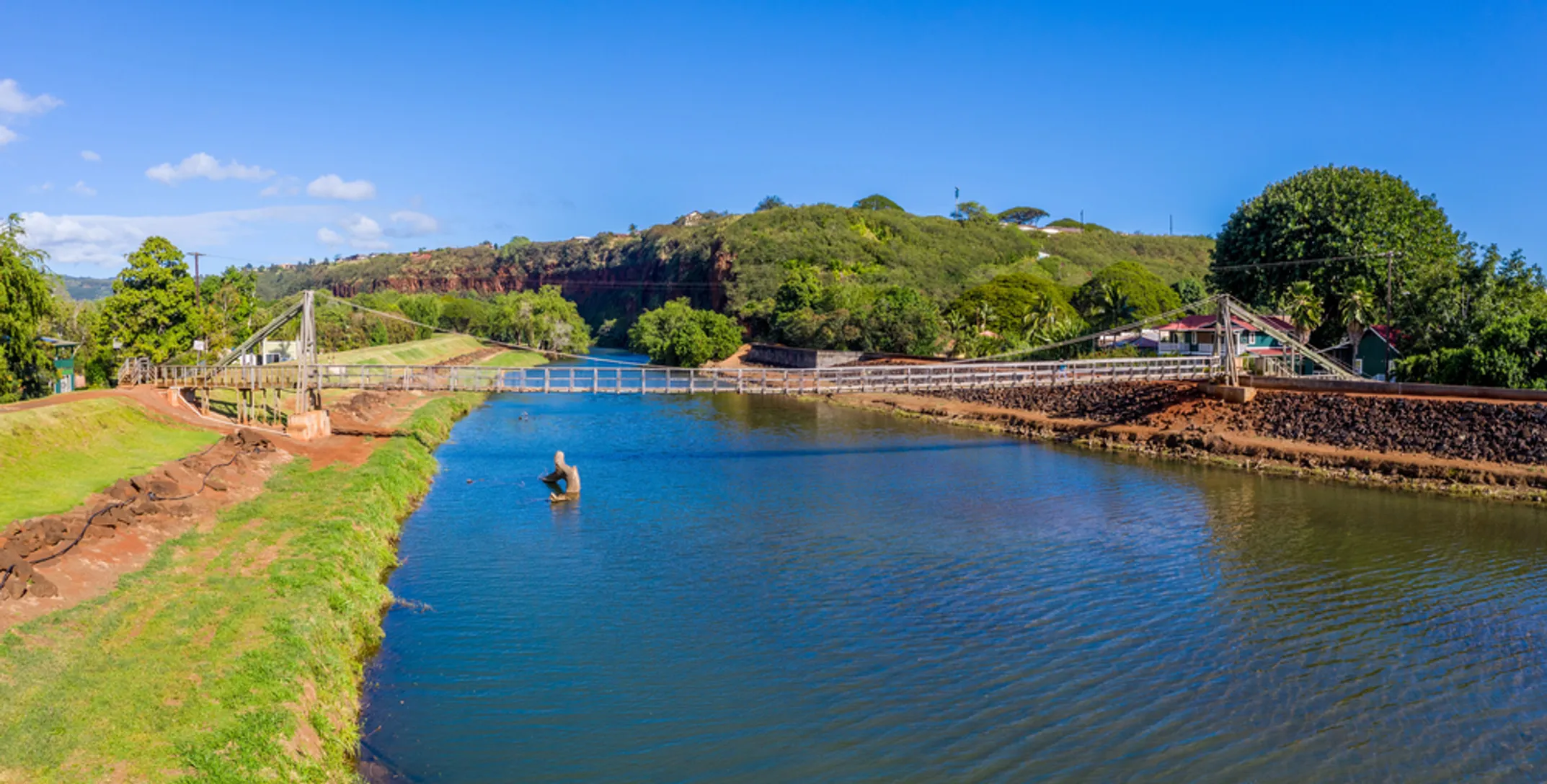
Hanapepe: Kauai's Biggest Little Town
Where Stories Come Alive

Written by a Local Expert
Leilani AkoThe moment I stepped onto Hanapepe Road, it wasn't the charming storefronts that struck me first. It was the stories clinging to the air like sweet plumeria scent. As someone who grew up listening to my tutu's tales while learning hula steps, I know when a place has something to say.
Hanapepe whispers entire histories. Stories of ancient farmers, immigrant dreamers, striking workers, and artists who found home in quiet aftermath. This town, nestled on Kauai's west side, carries weight and warmth you feel long before you can name it.
This isn't just another tourist stop. It's an invitation to listen to stories with me. We'll walk through living history, uncover real-life magic that inspired a beloved Disney film, and feel the vibrant pulse of famous Friday Art Night. We'll stand before sacred places where traditions aren't just remembered but actively lived.
Hanapepe rewards curious travelers. Those willing to look past postcard-perfect facades find deep, resilient, beautiful soul of a community that weathered it all.
The Living History of Hanapepe: A Story in Four Acts
To truly know Hanapepe is to understand its layers. Each one built upon the last, creating the rich, complex community that exists today. Its story is one of land and water, rebellion and resilience, hardship and artistic rebirth.
Act I: The Ancient Valley (Ke Kumu)
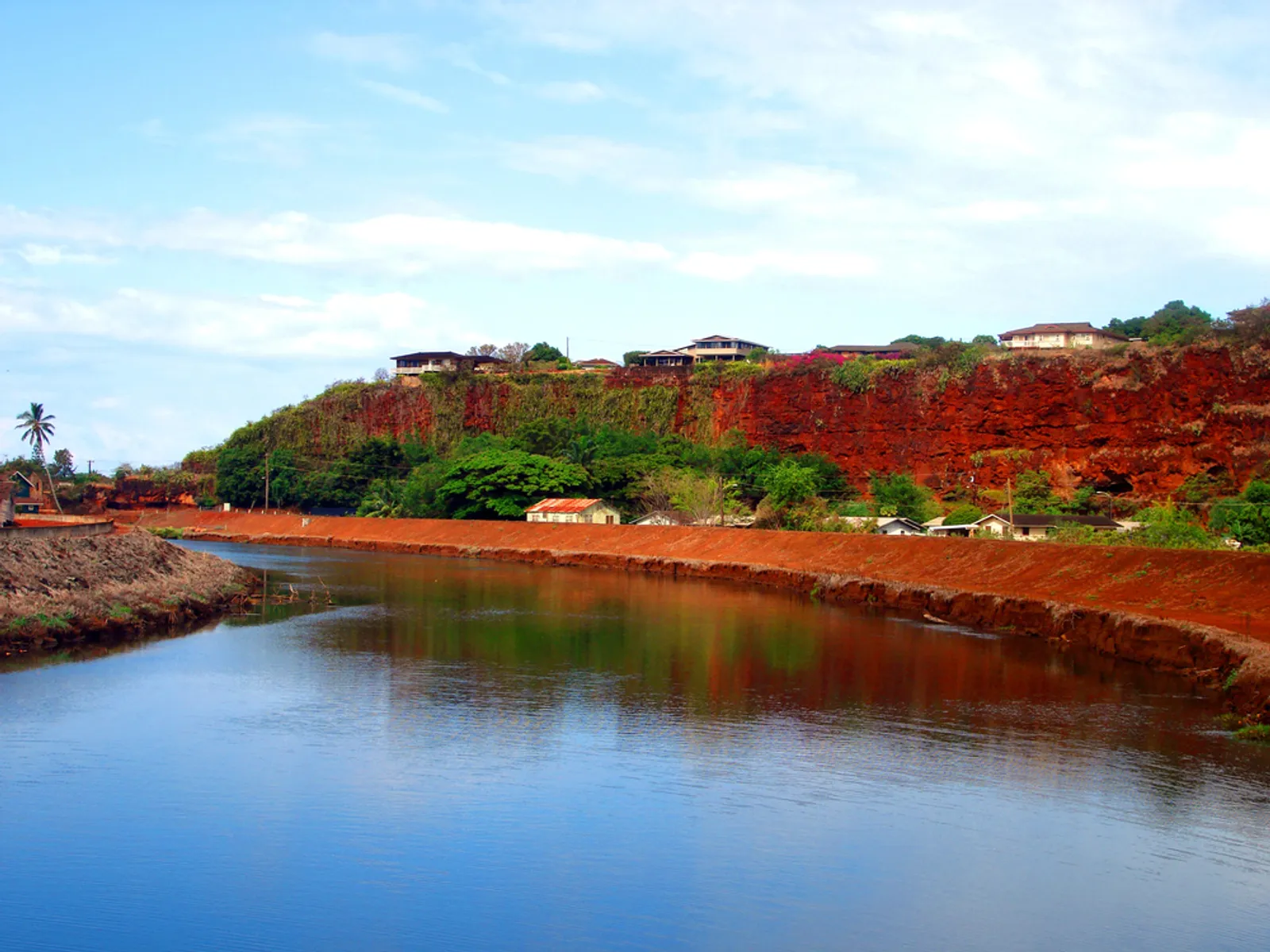
Long before wooden storefronts were raised, this valley was home to substantial Kanaka Maoli settlement. The name itself, Hanapēpē, means "crushed bay." A poetic nod to landslides that likely shaped the valley or dramatic appearance of cliffs rising from the sea.
The land here was incredibly fertile. The Hanapepe River provided ample water for extensive loʻi kalo (irrigated taro fields), the lifeblood of ancient Hawaiian society. Families grew everything they needed in this protected valley.
But the valley held another treasure. One that would become its first business legacy: paʻakai, or salt. For centuries, Hawaiian families cultivated salt in natural clay beds near the shore. They used sun to evaporate seawater and harvest precious crystals.
This salt was vital commodity for seasoning, preserving food, and trading with sailors who began arriving after 1778. This tradition, a sacred responsibility passed down through generations, continues today. A quiet but powerful thread connecting modern Hanapepe to its most ancient roots.
When I visit the salt ponds with my keiki Malia and Nalu, I tell them the same stories my tutu told me. About the families who shaped these clay beds with their hands. About the patience required to wait for sun and wind to work their magic. About the sacredness of sharing what the land gives freely.
Act II: The Town the Plantations Didn't Build
Most old towns in Hawaii tell the story of sugar. They were company towns, built and owned by massive sugar plantations that dominated the islands' economy and politics in late 1800s and early 1900s. But Hanapepe's story is different.
It is one of very few towns on Kauai that was not created by a plantation. This distinction is key to its entire character. When sugar industry boomed in the 1880s, it brought waves of immigrant laborers from China, Japan, and the Philippines.
Many who finished their contracts, or simply could not endure brutal working conditions, sought a life of independence. They found it in Hanapepe. These bold immigrants—Chinese rice farmers, Japanese merchants, Filipino families—built this town from the ground up.
They started small farms, opened tailor shops, bakeries, and general stores. Creating a self-sufficient community that served its own needs. This foundation of independence and multicultural collaboration created a town with uniquely resilient and rebellious spirit.
It became a place for those who didn't fit the plantation mold. A haven for free thinkers and, soon, for union organizers. The seeds of resistance were planted in Hanapepe's very foundation.
ℹ️ Quick Info
- Location: Kauai West Side
- Best Day: Friday (Art Night)
- Art Night: 5-9 PM
- Parking: Free street parking
- Best For: Art, history, culture
📖 Explore This Guide
🎒 What to Bring
- Camera for art & murals
- Cash for vendors
- Comfortable walking shoes
- Sunscreen & hat
- Reusable water bottle