Driving the Kōloa Heritage Trail
A Journey Through Kauaʻi's Past: From Ancient Hawaiian Civilization to the Sugar Plantation Era
Written by a Local Heritage Expert
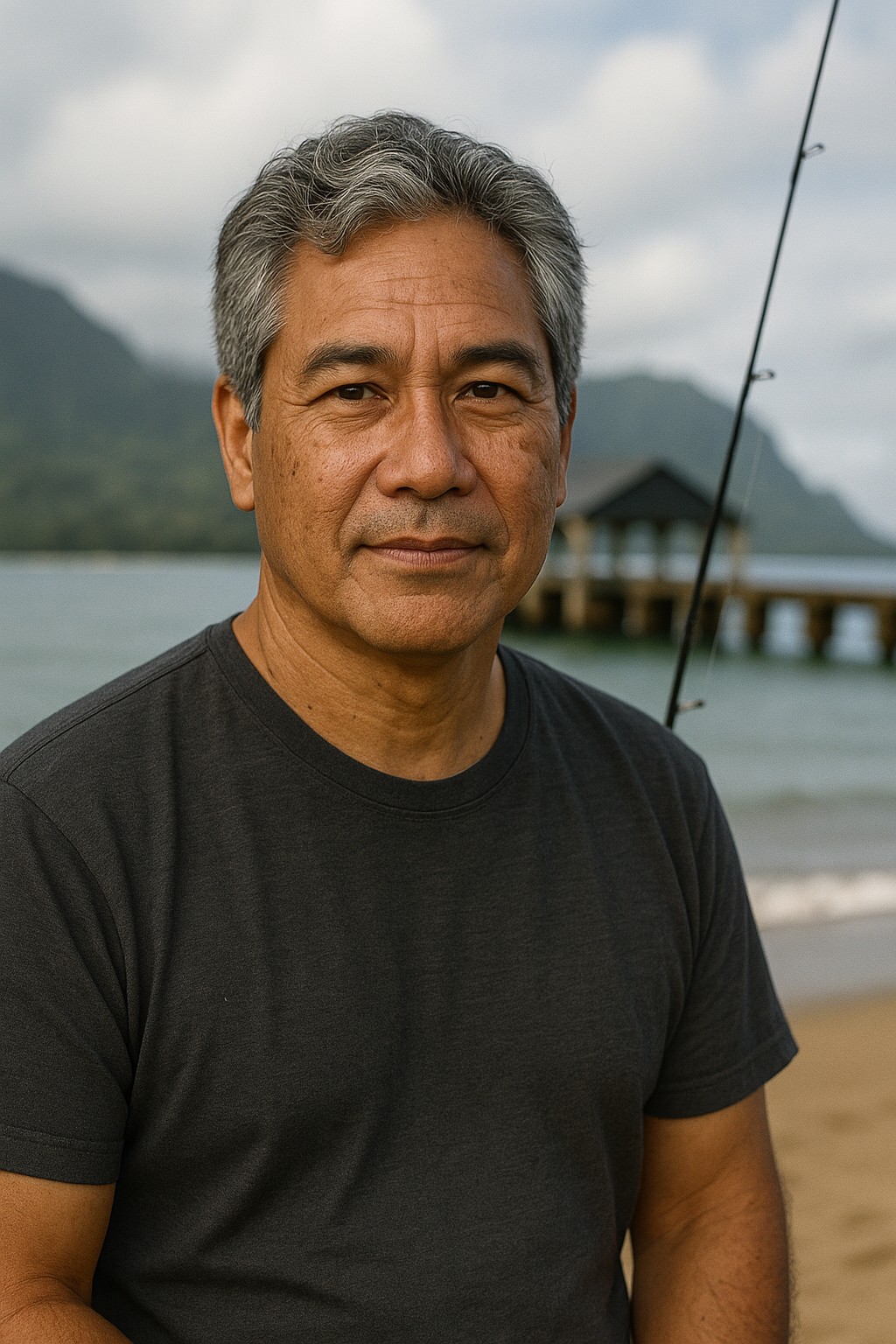
Kalani MillerAloha mai kākou. My name is Kalani Miller, and the story of Kauaʻi's South Shore is woven into the fabric of my own ohana (family). I grew up hearing stories from my kūpuna (elders) about the Kōloa sugar mill. They spoke of how its loud, sharp whistle was the heartbeat of the community, a sound that marked the beginning of the workday, the lunch break, and the welcome return home. They remembered the sweet, smoky smell of burning cane fields during harvest, a scent that meant prosperity but also grueling labor under the Hawaiian sun. For them, Kōloa wasn't just a place; it was an era, a way of life that shaped generations.
Today, when visitors drive through the South Shore, they see beautiful beaches and world-class resorts. But there is a deeper story written on this land, a story of immense change, struggle, and resilience. That story is told along the Ka Ala Hele Waiwai Hoʻoilina o Kōloa—the Path of the Cherished Heritage of Kōloa. This 10-mile drive, marked by 14 stops, is far more than a scenic tour. It is a portal into the very soul of modern Kauaʻi. It carries you from the island's violent volcanic birth to a thriving ancient Hawaiian society, through the tumultuous arrival of missionaries and commerce, into the heart of a sugar revolution that remade the demographics of Hawaiʻi, and finally to the vibrant, multicultural community we know today.
The descriptive plaques at each stop give you the facts, but they can't tell you the full story. They can't convey the legends whispered on the wind or the weight of the history felt in these sacred places. In this article, I want to take you beyond the signs. I want to share the stories I grew up with, the insider tips I give my friends, and the deeper connections that make this trail a living history.
The Heart of a Kingdom: Kōloa Before Sugar
To truly understand the story of the Kōloa Heritage Trail, we must begin long before the first sugar mill was built. We must start with the āina (land) itself and the people who lived in harmony with it for over a thousand years. The story of the sugar era is not the beginning of Kōloa's history, but a dramatic, disruptive chapter in a much longer epic.
The Land of the Long Cane
Ancient Hawaiian society was organized into sophisticated land divisions called ahupuaʻa, which typically stretched from the high mountain forests down to the outer edge of the coral reef. This system was a marvel of sustainability, ensuring that each community had access to all the resources it needed to thrive—timber and bird feathers from the uplands, taro and sweet potatoes from the cultivated plains, and fish from the sea. Kōloa was one of these vital ahupuaʻa on Kauaʻi.
The name "Kōloa" itself holds a powerful clue to the area's destiny. While one meaning refers to the native duck, another, more profound interpretation is kō-loa, or "long sugar cane". The Polynesian voyagers who first settled these islands around 400-600 A.D. brought kō (sugarcane) with them in their canoes as one of their sacred plants. For centuries, Hawaiians cultivated it not for mass production, but for food, medicine, and ceremony. The fact that this land was known for its tall, flourishing cane long before Western contact feels like a prophecy written into the landscape—a sign that this plant, once a simple part of daily life, would one day become a global commodity that would change Hawaiʻi forever.
Life in the Ahupuaʻa
Life in the Kōloa ahupuaʻa was rich and complex. The fertile plains and abundant water from Waikomo Stream supported extensive agriculture. Along the coast, communities thrived. Archaeological evidence reveals that Keoneloa Bay, what we now call Shipwreck Beach, was the site of a temporary fishing camp between 200 and 600 A.D., making it one of the oldest known occupation sites on Kauaʻi. Here, early Hawaiians fashioned tools from coral and stone and prayed to Kānaʻaukai, a prominent fishing god, for a bountiful catch.
Near what is now the world-famous Poʻipū Beach Park, the massive village complex of Kāneiolauma once stood. This 13-acre settlement was a major center of life, featuring house sites, fishponds, and a sacred heiau (temple) that remains a culturally significant site today. The sheer scale of these ancient sites reminds us that when the first Western ships arrived, they did not find an empty wilderness. They encountered a deeply established civilization with intricate social structures, profound spiritual beliefs, and a masterful understanding of the land and sea. It was upon this ancient foundation that the new world of the sugar plantation would be built.
The Complete Stop-by-Stop Journey
Embarking on the Kōloa Heritage Trail is like turning the pages of a history book, with each stop revealing a new chapter. To help you navigate this story, here is an overview of the drive ahead. The trail is officially 10 miles long with 14 stops, weaving from the dramatic coastline of Poʻipū into the historic heart of Old Kōloa Town.
The trail moves through distinct phases: the geological foundations of the island, the ancient Hawaiian civilization, the whaling era, the sugar plantation revolution, the arrival of immigrant communities, and the modern multicultural society that emerged from all these forces.
Stop 1: Spouting Horn Park – The Breath of a Legend
The first stop on our drive is a spectacular display of nature's power. Spouting Horn is a puhi, or blowhole, formed when millennia of crashing waves eroded the soft rock of the coastline, carving a lava tube that connects directly to the sea. With each incoming swell, water is forced into this underwater cavern, compressing the air and erupting through a hole in the surface in a dramatic plume of seawater that can reach heights of 50 to 60 feet.
But for ancient Hawaiians, this was more than geology. Legend tells of a giant moʻo (lizard) who terrorized this coastline. A clever young man named Liko tricked the moʻo into a lava tube, where the great lizard became permanently trapped. The thunderous roar and hissing spray of the blowhole are said to be the furious breaths of the imprisoned lizard, a constant reminder of its presence.
Today, this is one of the most visited and photographed locations in all of Hawaiʻi. There is a large, accessible viewing area where you can safely watch the spectacle. You'll often find local artisans selling handmade crafts and jewelry, adding to the vibrant atmosphere.
My tip: Go in the late afternoon when the sun is low in the western sky. The angle of the light catches the spray and creates the most beautiful, vivid rainbows. It's a magical sight. And listen closely for the deep, guttural groan the rocks make just after the water spouts—that's the moʻo reminding you he's still there.
Stop 2: Prince Kūhiō Birthplace & Park – The People's Prince
This sacred ground is the birthplace of Prince Jonah Kūhiō Kalanianaʻole, one of the most influential figures in modern Hawaiian history. He was born in a simple grass hut near this spot on March 26, 1871. As a royal prince of the Kalākaua dynasty, Kūhiō's life was upended by the overthrow of the Hawaiian Kingdom in 1893. A fierce patriot, he joined the 1895 counter-revolution in an attempt to restore Queen Liliʻuokalani to the throne.
The effort failed, and he was arrested for treason and served a year in prison. After his release, he embarked on an incredible second act. Elected as Hawaiʻi's non-voting delegate to the U.S. Congress, he served for nearly two decades. His tireless advocacy led to his two greatest achievements: the passage of the Hawaiian Homes Commission Act in 1921, which set aside over 200,000 acres of land for homesteading by people of Hawaiian ancestry, and the creation of Hawaiʻi National Park, which laid the foundation for today's Haleakalā and Hawaiʻi Volcanoes National Parks.
The park, established in 1924, is a serene monument to his life. You will find a statue of the prince, the preserved stone foundation of the home where he was born, a crescent-shaped rock wall of an ancient fishpond, and the nearby Hoʻai Heiau.
My tip: Visit on March 26th if you can. It is Prince Kūhiō Day, a state holiday, and you will often find fresh lei draped on the monument by locals and cultural groups paying their respects. It's a powerful and moving reminder of his enduring legacy as Ke Aliʻi Makaʻāinana—The Prince of the People.
Stop 3: Kōloa Landing at Hanakaʻape Bay – Gateway to the World
Before sugar was king, whaling was the dominant industry in Hawaiʻi. In the mid-1800s, this small, sheltered bay was the third-largest whaling port in the entire island chain, surpassed only by the bustling harbors of Honolulu and Lāhainā. Up to 60 whaling ships a year would anchor in Hanakaʻape Bay to take on fresh water from Waikomo Stream, firewood, and provisions like salt and livestock from the fertile Kōloa lands.
It was Kauaʻi's official port of entry for all foreign goods and a vital hub for exporting sandalwood before the sugar industry took over. The landing remained in active use for shipping until 1912, when larger, more modern facilities were developed at Nāwiliwili and Port Allen.
The days of whaling ships are long gone, and today Kōloa Landing is a peaceful haven for snorkelers, divers, and the honu (green sea turtles) that frequent the bay. The old concrete boat ramp is still present, a quiet relic of its industrial past.
My tip: This is one of the best and most accessible shore-diving and snorkeling spots on the South Shore, especially for beginners. The water is typically calmest in the morning. As you explore the water's edge, look closely at the rocks. You can still find some of the old iron mooring rings that were drilled into the lava rock to tie up the massive ships that anchored here over 150 years ago. It's a direct, physical link to that bygone era.
Stop 4: Pāʻū A Laka (Moir Gardens) – A Plantation Legacy
This beautiful garden tells a different kind of plantation story—one not of the fields, but of the domestic life and passions of the industry's leaders. The gardens were created in the 1930s by Alexandra Moir, whose husband, Hector, was the manager of the Kōloa Sugar Plantation. The land was a wedding gift from her father.
The garden's Hawaiian name, Pāʻū a Laka, honors Laka, the goddess of hula, and Kukaʻohiʻaalaka, a rain god. Understanding the dry, sunny climate of Poʻipū, Mrs. Moir cultivated a stunning collection of drought-tolerant plants, specializing in rare and exotic cacti and succulents from around the world.
Located on the grounds of the Kiahuna Plantation resort, the Moir Gardens are free to enter and open to the public. You can wander through groves of mature trees, admire vibrant orchids and bromeliads, and find peace by the tranquil water lily and koi ponds. The Moirs' original plantation home, built from lava rock found on the property, now houses the Plantation Gardens Restaurant, offering a chance to dine amidst this historic landscape.
My tip: This garden is a perfect, quiet refuge from the midday sun. While everyone else is crowded onto the beach, take a peaceful stroll here. It offers a unique glimpse into the private world of the plantation elite and showcases a remarkable horticultural achievement that has been recognized as one of the world's finest gardens of its kind.
Explore the Complete Heritage Trail Journey
Continue your journey through 14 historic stops, practical visitor information, and the deeper cultural stories that shaped Kauaʻi.
ℹ️ Quick Info
- Trail Length: 10 miles
- Total Stops: 14 stops
- Duration: 4-6 hours
- Cost: Free
- Best Time: Year-round
🌺 Trail Highlights
- Spouting Horn blowhole
- Prince Kūhiō birthplace
- Ancient Hawaiian heiau
- Historic sugar mill
- Old Kōloa Town