Planning Your Nāpali Experience
Essential logistics and safety information for a safe and respectful visit

Written by a Local Expert
Kalani MillerBest Time of Year to Visit
Your experience of the Nāpali Coast will change dramatically depending on the season you choose.
☀️ Summer (May - September)
Represents the prime season for ocean activities. The seas are generally calmer, making it the best and often only time for kayak tours and boat tours departing from the North Shore.
Kalalau Trail:
- • Hotter and drier conditions
- • Less risk of impassable streams
- • Need more water
- • Start early to avoid heat
🌊 Winter (October - April)
Brings more dramatic scenery with massive ocean swells pounding the cliffs and more powerful waterfalls. It's peak season for humpback whale watching on boat tours.
Conditions:
- • Weather far more unpredictable
- • Boat tours rougher, more cancellations
- • Trail extremely muddy and slippery
- • High risk of flash floods
A Culture of Safety: Heed the Warnings
The beauty of Nāpali is raw and untamed. It commands respect. Understanding the hazards isn't meant to scare you away. It's meant to prepare you properly. This is a wilderness area with no cell service, no lifeguards, and no immediate emergency services.
⚠️ Flash Floods: The Primary Danger
This represents the primary danger on the trail. Streams can swell from a trickle to a raging, impassable torrent in minutes. Often this happens from rainfall miles upstream that you cannot see.
The rule is absolute: if the water is flowing swiftly above your knees, do not cross. Wait for it to recede, even if it takes hours.
"I've seen too many people underestimate this danger. The power of moving water can knock you off your feet and carry you away before you know what happened. Flash floods kill more hikers in Hawaiʻi than any other natural hazard."
🌊 Ocean Dangers
According to reports, the leading cause of death associated with the Kalalau Trail is drowning. Hanakāpīʻai Beach is notoriously dangerous due to powerful, unseen rip currents that have swept many people out to sea. Swimming or even wading here is strongly discouraged.
The beach looks inviting after a long hike. The water seems calm from shore. But beneath the surface, strong currents create a deadly trap. Multiple drownings happen here every year. Enjoy the view, take your photos, but stay out of the water.
🪨 Trail Hazards
Be constantly aware of the risk of falling rocks, especially near cliff faces and waterfalls. The trail itself is narrow, exposed, and becomes incredibly slippery when wet. Loose rock and crumbling edges create additional hazards.
Take your time. Watch every step. Don't let the stunning views distract you from the immediate danger under your feet. One wrong step can end your adventure permanently.
💧 Water-Borne Illness
You must treat all water from streams before drinking. The water can contain the bacteria that causes leptospirosis, a serious and potentially fatal disease. Use a certified water filter, purification tablets, or boil the water thoroughly.
Don't risk your health to save time or effort. Pack enough treated water for your entire journey or bring reliable treatment methods. Leptospirosis can ruin your vacation and threaten your life.
🚨 Emergency Info
- Emergency: Call 911
- Cell Service: Spotty to none
- Lifeguards: None on trail
📅 Season Summary
- Summer Best for ocean activities
- Winter Whales, dramatic, rougher
Packing Essentials
For Day Hikers
- ✓ More water than you think you need (at least 1 gallon per person)
- ✓ Snacks with salt and sugar for energy
- ✓ Sturdy hiking shoes with good traction
- ✓ Sun protection: hat, sunscreen, sunglasses
- ✓ First aid kit and emergency whistle
For Backpackers
- ✓ All day hiker essentials, plus:
- ✓ Camping gear rated for wet conditions
- ✓ Extra food for emergencies
- ✓ Water treatment supplies
- ✓ Waterproof bags for everything
- ✓ Headlamp with extra batteries
- ✓ Emergency shelter
For Boat Tours
- ✓ Seasickness medication (even if you don't usually get sick)
- ✓ Sun protection
- ✓ Hat that won't blow away
- ✓ Waterproof bag for phone and camera
- ✓ Clothes that can get wet
- ✓ Light jacket for wind
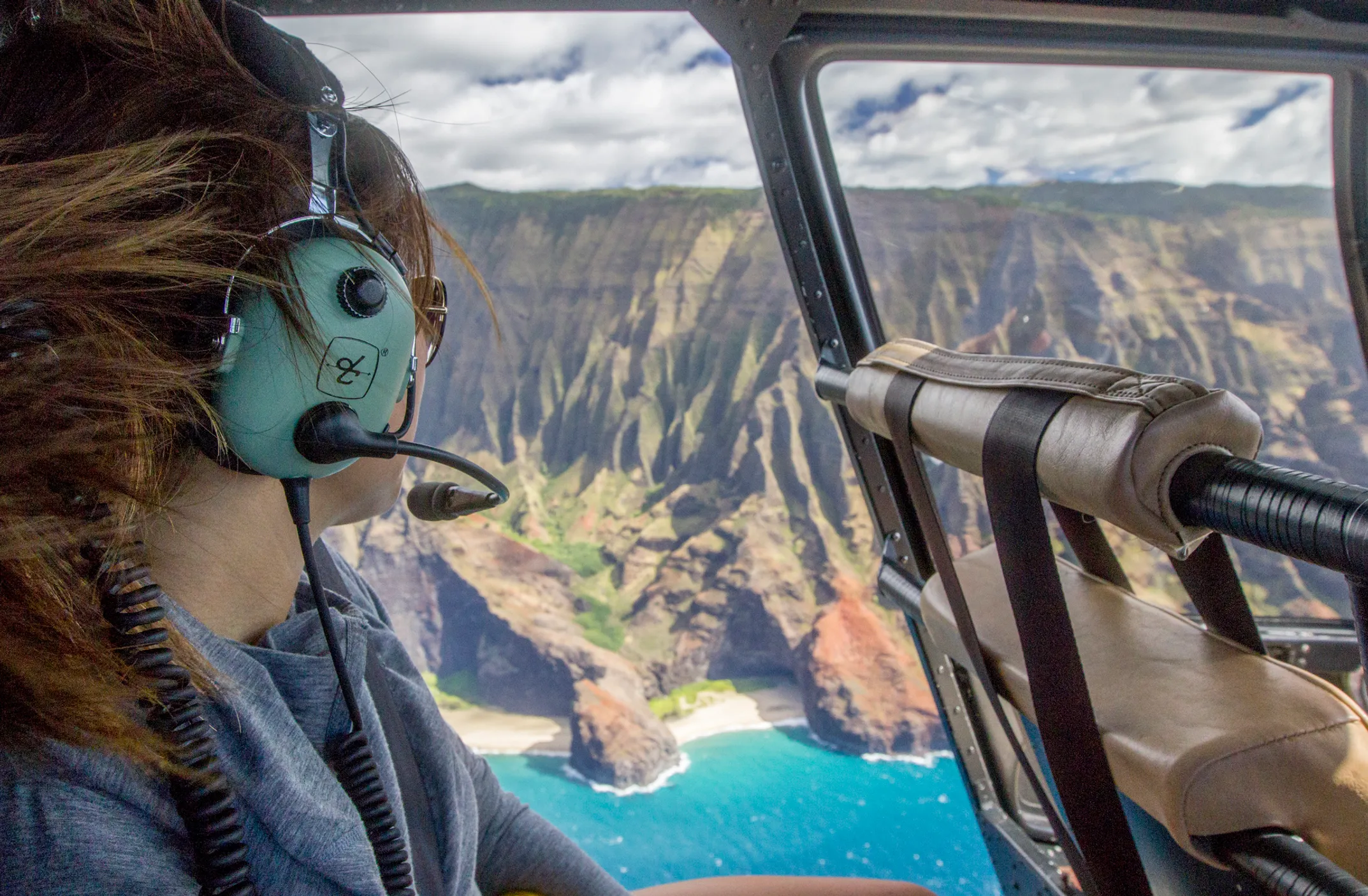
For Air Tours
- ✓ Dress in layers for temperature changes
- ✓ Camera with a strap
- ✓ Avoid loose items (doors-off tours)
- ✓ Sunglasses
- ✓ Comfortable seating clothes
Cultural Sensitivity and Respect
Remember that you're visiting a place that's sacred to Native Hawaiian people. The ahupuaʻa system and traditional way of life here lasted for over a thousand years. Show respect by following all rules and guidelines.
Leave No Trace
Don't remove rocks, plants, or artifacts. These are part of the cultural and natural heritage of the place. Take only photos and leave only footprints.
Listen and Learn
Listen to stories and cultural information shared by Native Hawaiian guides. They offer perspectives and knowledge that no guidebook can provide.
Support Local
Support Native Hawaiian-owned businesses when possible. Companies like Na Pali Coast Tours offer authentic cultural education along with their tours.
Emergency Preparedness
Know Your Limits
Don't attempt activities beyond your skill and fitness level. The Nāpali Coast is not the place to test your boundaries.
Communication
Cell service is spotty to nonexistent in most areas. Carry emergency communication devices for serious backcountry travel.
Emergency Contacts
Know how to contact local emergency services. For Kauaʻi County, call 911 for emergencies or contact the Kauaʻi Fire Department.
Insurance
Check that your travel insurance covers adventure activities and helicopter tours if you plan to participate.
Group Travel Considerations
Mixed Skill Levels
Choose activities that work for your least experienced member. The group moves at the pace of the slowest person.
Age Restrictions
Many tour operators have age restrictions for safety reasons. Check requirements when booking.
Special Needs
Communicate any special needs or concerns to tour operators in advance. They can often accommodate with advance notice.