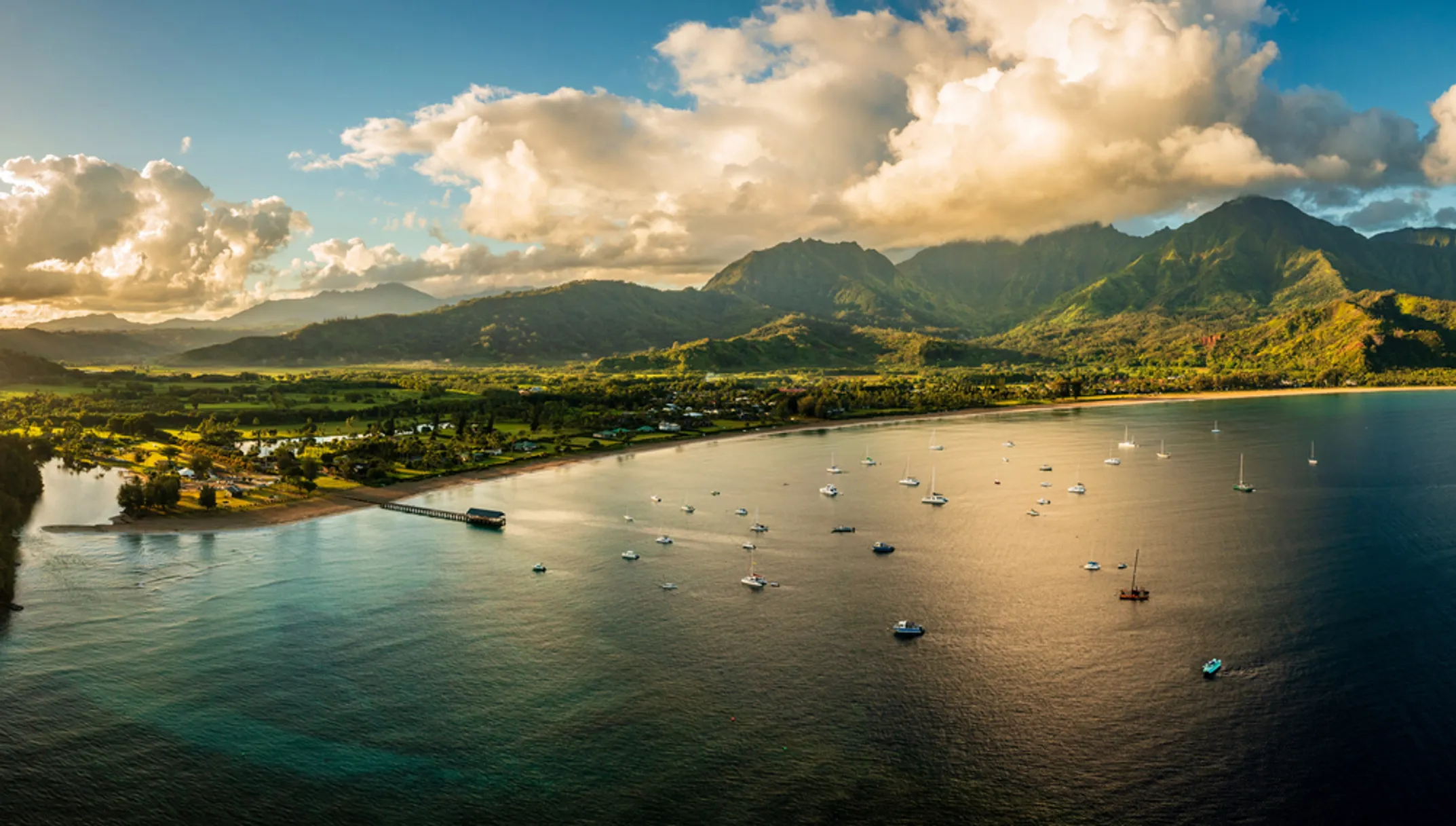
The Most Unforgettable Things to Do in Hanalei, Kauai
Experience the soul of Kauai's North Shore through sacred valleys, legendary surf, and timeless aloha
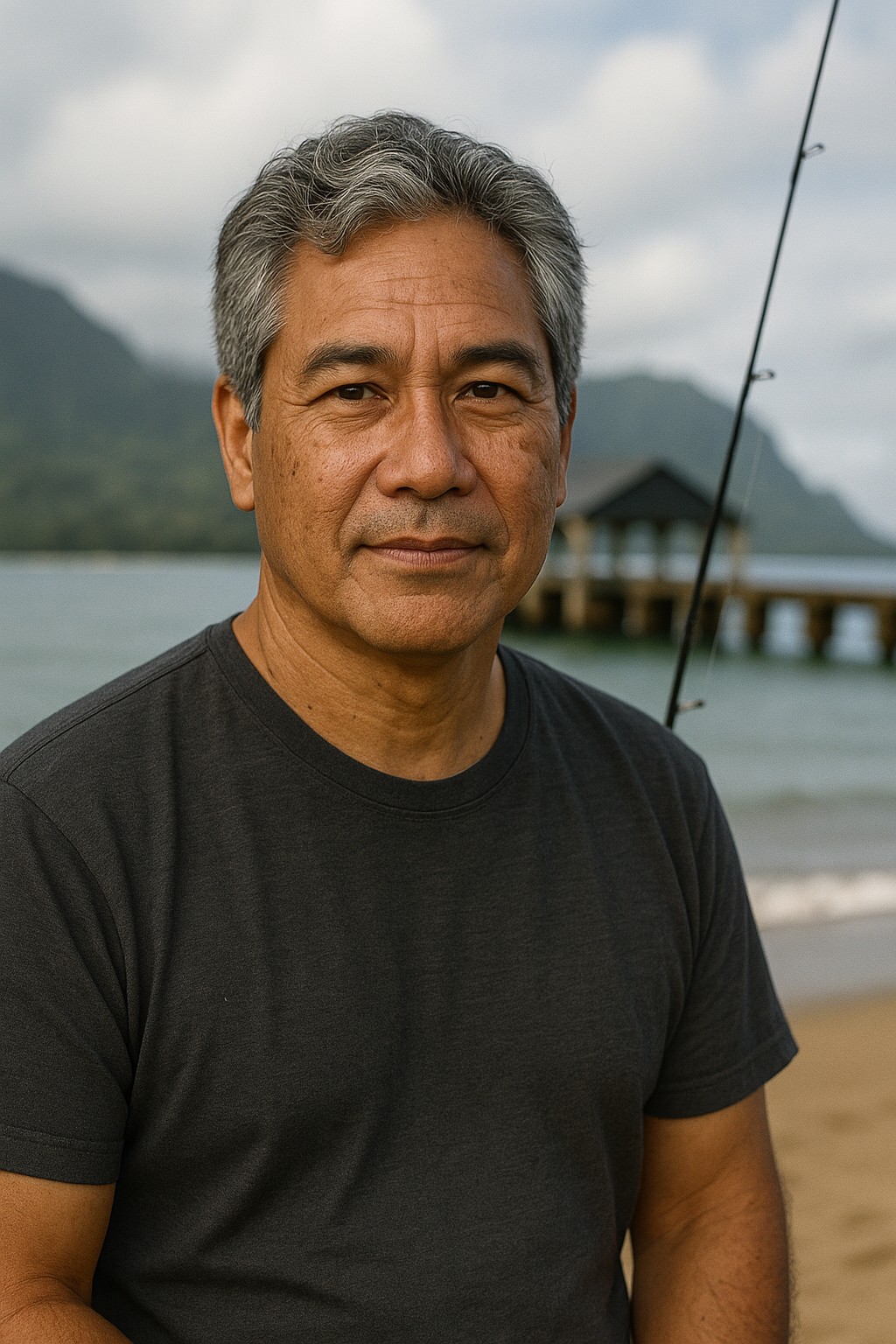
Written by a Local Surfer
Kalani MillerThere's a moment on the drive to Hanalei that always gets me. Just after you leave Princeville, the road curves, and suddenly, the whole world opens up. Below you, the Hanalei Valley spreads out like a green velvet quilt, stitched together with the silver thread of the river and the shimmering patches of flooded taro fields. In the distance, the mountains—Hihimanu, Nāmālokama—stand like ancient, watchful guardians, their jagged peaks often shrouded in mist, with waterfalls cascading down their emerald faces after a morning rain. For me, this isn't just a scenic overlook; it's a deep, soulful breath. It's the feeling of coming home.
My life has always been tied to the rhythm of the ocean. As a surfer and the co-founder of a swimwear company, MIKOH, the water is my office, my playground, and my sanctuary. I've been lucky enough to travel and surf all over the world, but there's a reason I always come back to Kauaʻi, and specifically to Hanalei. It's where I feel most centered, most connected to the ʻāina, and most inspired. The key to happiness, I believe, is being outside, and Hanalei is the ultimate expression of that truth. It's a place that has managed to hold onto its soul, a timeless, laid-back town that feels a world away from the sprawling resorts and commercial buzz you might find elsewhere.
This piece is my love letter to Hanalei. We'll go beyond the postcards and the top-ten lists. I want to share with you the stories that are woven into this unique place, the deep cultural roots that nourish this community, and the secrets that will help you experience this sacred place not just as a visitor, but with the heart of a kamaʻāina.
The Heart of Hanalei: A Story of ʻĀina, Kalo, and Kuleana
To truly appreciate the vibrant green of the taro fields or the quiet dignity of the old mission church, you have to understand the stories that came before. Hanalei's beauty isn't just on the surface; it runs deep into the soil, shaped by profound changes in land, the enduring legacy of an ancient crop, and the arrival of new ideas on its shores.
The Foundation of ʻĀina: Understanding the Great Māhele of 1848
Before you can understand Hanalei, you have to understand the concept of ʻāina. For centuries, land in Hawaiʻi was not a commodity to be bought or sold. It was a living, breathing entity managed in a complex communal system. The land belonged to the chiefs and the people in common, with the king as its ultimate steward. Everyone had rights of access and use, sustained by a tradition of sharing that connected them directly to the resources of the land and sea.
This all changed in the mid-19th century. Under increasing pressure from foreign influence and Western concepts of property, King Kamehameha III initiated one of the most pivotal events in modern Hawaiian history: the Great Māhele, or "great division." Beginning in 1848, this massive land redistribution was intended to create a system of private, allodial land titles, much like those in the United States and Europe. The kingdom's lands were formally divided into three categories: Crown Lands for the monarch, Government Lands, and lands for the high chiefs and land managers, known as konohiki.
The stated goal was noble—to secure land for all Hawaiians, including the common people, or makaʻāinana. The Kuleana Act of 1850 was passed to allow commoners to claim title to the small parcels they lived on and actively cultivated. However, the result was a tragedy of unintended consequences. For a culture that had never known private land ownership, the Western legal concepts were utterly foreign. The process was fraught with barriers: claims had to be filed within a strict two-year window, money was required for land surveys, and the proceedings were conducted in a language and system many did not understand.
The Kuleana Act was a catastrophic failure for the Hawaiian people. Out of a population of over 80,000, only about 18,000 small plots were successfully claimed, amounting to less than 1% of the total land in Hawaiʻi. The vast majority of the ʻāina, once held in common, was now concentrated in the hands of the government, the monarchy, and a few dozen chiefs. This shift laid the groundwork for the next major transformation: the sale of huge tracts of land to foreign interests, particularly American businessmen who established the powerful sugar plantations that would dominate the islands' economy for the next century.
This history is the invisible foundation upon which modern Hanalei is built. The wealth generated from these lands eventually funded the philanthropic efforts of some, including the descendants of missionaries like the Wilcox family, whose generosity is still visible in the town's most iconic landmarks. The beautiful church you photograph today is a direct, tangible outcome of this complex and often painful history of the land.
Hāloa's Gift: The Enduring Legacy of Taro Farming
In the heart of the Hanalei Valley, you'll see the living embodiment of Hawaiian culture: the flooded fields of kalo, or taro. For Hawaiians, kalo is not just a food staple; it is a sacred ancestor. The creation story tells of Hāloa, the first-born son of the sky father Wākea, who was stillborn and buried. From his grave grew the first kalo plant. The second son, also named Hāloa, became the ancestor of the Hawaiian people. Kalo is the elder sibling of humanity, a profound connection that illustrates the deep reverence for the plant. This relationship is even embedded in the language: the word ʻohana, meaning family, is derived from ʻohā, the small shoots that grow from the taro corm.
For over a thousand years, the Hanalei Valley, with its fertile soil and abundant river water, has been one of the most important agricultural sites in Hawaiʻi. While there was a period in the late 1800s when the valley became a thriving center for rice cultivation—an industry so significant that the Hanalei Pier was first built in 1892 to help transport the harvest—production shifted back to taro after World War II. Today, Kauaʻi produces over 70% of Hawaiʻi's taro, and much of it comes from this very valley.
This agricultural tradition is carried on by families like the Haraguchis, who have been farming here for six generations. Their value-added venture, Hanalei Taro & Juice Co., allows visitors to taste this legacy directly in the form of fresh poi, taro veggie burgers, and delicious smoothies. The farming here also serves another vital purpose. Much of the valley is part of the Hanalei National Wildlife Refuge, established in 1972. The flooded taro fields, or loʻi, create the perfect wetland habitat for five of Hawaiʻi's endangered native water birds, including the koloa maoli and the ʻalae ʻula. It's a beautiful and rare example of how ancient cultural practices and modern conservation efforts can work in perfect harmony.
A New Chapter: The Waiʻoli Mission and its Enduring Presence
As you enter Hanalei town, you can't miss the cluster of historic white and green buildings that form the Waiʻoli Mission District. This site tells the story of another profound shift in Hawaiian culture. In 1834, the first American Christian missionaries, William and Mary Alexander, arrived on the North Shore by double-hulled canoe. They were welcomed by Deborah Kapule, the respected dowager Queen of Kauaʻi, who assisted them in establishing the mission on land provided by the governor.
The district contains three key structures that have stood the test of time. The Waiʻoli Mission House, completed in 1837, is this beautifully preserved two-story home that offers a fascinating glimpse into the daily lives of the missionary families, including the Alexanders and later, Abner and Lucy Wilcox, who were instrumental in developing the mission school. Now a museum, the house is furnished in period style, right down to the family's library of over 200 books.
The Waiʻoli Mission Hall, the original church finished in 1841, is the oldest surviving church building on the entire island of Kauaʻi. Its sturdy timber frame and plaster walls, made with lime from burnt coral gathered at low tide, have withstood fires, storms, and hurricanes for nearly two centuries.
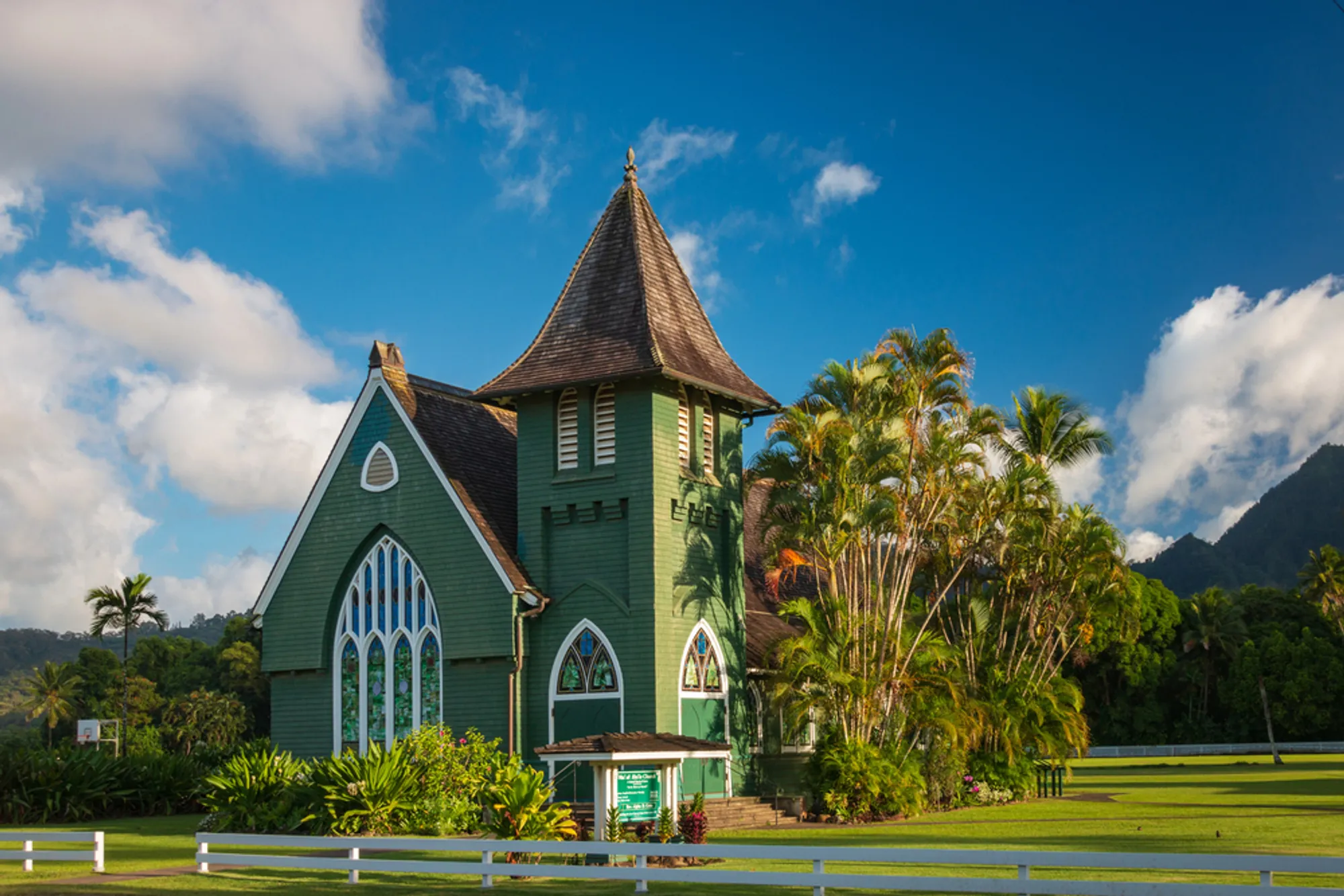
Then there's the Waiʻoli Huiʻia Church, the iconic green church that has become a symbol of Hanalei. Built in 1912 in the American Gothic style, it was a gift from the three sons of Abner and Lucy Wilcox—Sam, George, and Albert—to honor their missionary parents. Its belfry houses the original mission bell from 1843, which still rings out across the valley, calling people to worship. Together, these buildings stand as a testament to a pivotal era of cultural exchange and transformation in Hanalei.
Explore More of Hanalei
From world-class surf breaks to farm-to-table dining, discover everything this magical town has to offer.
ℹ️ Quick Info
- Location: North Shore Kauaʻi
- Best Time: May-September
- Beach Type: 2-mile crescent bay
- Parking: Free at Black Pot
🗺️ Navigate Guide
🎒 What to Pack
- Multiple swimsuits
- Reef-safe sunscreen
- Waterproof rain jacket
- Hat & sunglasses
- Light sweater
⭐ Don't Miss
- • Hanalei Valley Lookout
- • Waiʻoli Huiʻia Church
- • Hanalei Pier sunset
- • Fresh taro products
- • Saturday farmer's market