Where Birds Rule the Sky
A Wildlife Paradise at the Edge of Paradise

Written by a Kauaʻi Historian
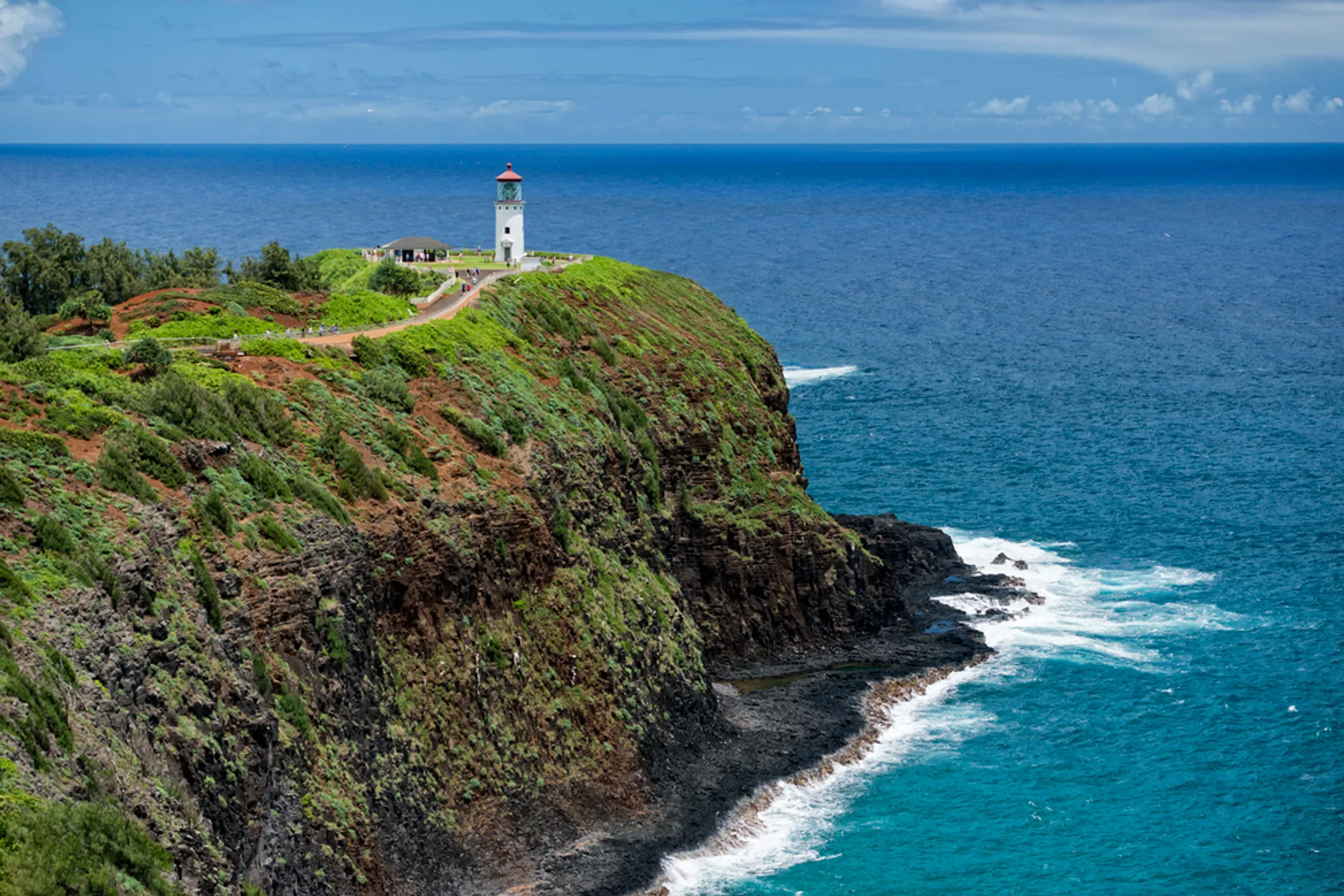
Kalani MillerWhen the lighthouse retired from active duty, Kīlauea Point began a new chapter as sanctuary. The dramatic cliffs and surrounding waters became protected habitat for some of Hawaiʻi's most precious and vulnerable wildlife.
The Nēnē: Hawaii's Comeback Story
No story better captures the refuge spirit than the Nēnē, our state bird. When Captain Cook arrived in 1778, an estimated 25,000 Hawaiian geese thrived here. Hunting, habitat loss, and introduced predators nearly erased them. By the 1950s, only 30 birds remained in the wild.
The refuge was created specifically to protect threatened and endangered species like the Nēnē. In the 1990s, a small population was reintroduced here. Thanks to intensive conservation, their comeback has been remarkable. The species was downlisted from "Endangered" to "Threatened" in 2019.
Today's Nēnē are evolution in action. Descended from Canada geese that arrived half a million years ago, they adapted to volcanic landscapes. Their feet developed less webbing and thick, padded toes for walking on sharp lava rock.
For Native Hawaiians, Nēnē hold deep significance. They appear in the ancient Kumulipo creation chant as guardian spirits. Their seasonal movements between coast and mountains symbolize the connection between these vital realms. Seeing a Nēnē strolling calmly through the refuge connects you to both conservation success and Hawaii's deepest cultural roots.
The Mōlī: Masters of Ocean and Sky
From November to July, Laysan Albatross own the skies above Kīlauea Point. These magnificent seabirds spend years gliding over the North Pacific, but return to their birthplace to mate and raise young. The refuge offers front-row seats to their entire breeding drama. Watching these ancient rituals unfold feels like witnessing something sacred, a dance of survival that predates human presence in these islands.
The Albatross Lifecycle
The albatross lifecycle represents one of nature's most remarkable examples of long-distance relationships. Mated pairs separate after breeding season, spending months foraging across thousands of miles of open ocean. They may fly to Alaska, Japan, or California in search of squid and fish. Yet when breeding season returns, they find each other again with unerring precision.
November brings the adults home in waves. The first arrivals are usually experienced breeders who know exactly where they're going. Younger birds follow, filling the colony with nervous energy as they search for their place in the social order. Mates separated for months find each other and reunite with elaborate courtship rituals that seem to combine greeting, recognition, and renewed commitment.
💃 Courtship Dances
Pairs stand on tiptoes, point beaks skyward, clap bills together, and moo and whinny in dances that solidify lifelong bonds. Each gesture has meaning.
🥚 Precious Eggs
Each female produces one precious egg, roughly the size of a soda can. Both parents share 60-day incubation duty in shifts that can last several days.
Late January through February marks hatching season. The process starts with a "pip," the first small hole the chick makes using a special egg tooth. It can take three days for complete emergence. Newly hatched chicks look nothing like their graceful parents. They're covered in gray down that makes them look like animated dust bunnies.
March through June transforms the colony into a bustling nursery unlike anything else in the natural world. Young chicks develop insatiable appetites for regurgitated squid and fish that parents retrieve from hundreds of miles away. During this period, the teenage birds arrive. These juveniles aged four to seven won't breed yet, but they return to practice courtship dances and search for lifelong partners.
July marks fledging season, perhaps the most dramatic period in the albatross calendar. Full-grown chicks, now weighing as much as their parents, face their first major life decision. They must launch themselves from the cliffs and commit to a life at sea. Unlike many bird species that start with short practice flights, albatross fledging is all or nothing. Successful fledglings won't touch land again for three to five years.
For Native Hawaiians, Mōlī are ʻaumākua, ancestral guardian spirits who bridge the gap between physical and spiritual worlds. Their strong wing bones became traditional tools, including needles for kākau, traditional tattooing. Their feathers created sacred kāhili, the feathered standards that symbolized royalty.
Boobies and Pirates: Aerial Drama
Kīlauea Point hosts one of the world's largest Red-footed Booby colonies. Named for their vivid coral-red feet, these smallest boobies display proudly during courtship. Unlike ground-nesting relatives, they build nests in trees and shrubs, protection from ground predators. Brown Boobies fish offshore and roost on rocky Mokuʻaeʻae island, though they don't nest on Kauaʻi itself.
Where boobies gather, Great Frigatebirds follow. With seven-foot wingspans, these supreme aerialists earned the Hawaiian name ʻIwa, meaning "thief." They wait for boobies returning with bellies full of fish, then chase and harass them until they regurgitate their catch. The ʻIwa swoops down to snatch the stolen meal mid-air. This daily spectacle showcases raw survival strategy.
Life Below: Marine Wonders
The 180-foot cliffs provide exceptional marine life viewing that rivals any aquarium experience. From November to May, these waters become part of the Hawaiian Islands Humpback Whale National Marine Sanctuary, one of the world's most important breeding grounds for these magnificent giants.
Thousands of humpbacks migrate from the cold, food-rich waters of Alaska to breed and give birth in Hawaii's warm tropical seas. This 3,000-mile journey represents one of the longest migrations of any mammal. Peak viewing runs January through March when whale activity reaches its climax. You might witness a 40-ton whale breaching completely clear of water in a display of power that defies physics.
🐋 Humpback Whales
November to May peak season. Watch for breaching, tail slapping, and spy hopping from the dramatic cliffs.
🐢 Green Sea Turtles
Year-round residents known as Honu, these endangered reptiles glide through clear waters with ancient grace.
🦭 Hawaiian Monk Seals
Critically endangered with fewer than 1,400 remaining. Any monk seal sighting is extraordinarily special.
🐬 Spinner Dolphins
Playful pods often appear offshore, performing characteristic spinning leaps that gave them their name.
The waters below also support seasonal visitors like Manta Rays, which can reach wingspans of 20 feet, and Whale sharks, the world's largest fish. Sea caves carved into the cliff base provide shelter for numerous species and serve as nurseries for many fish species.
Plan Your Wildlife Adventure
Ready to experience this incredible wildlife sanctuary? Learn when to visit and what to bring.
🦅 Featured Birds
- Nēnē (Hawaiian Goose)
State bird, year-round
- Mōlī (Laysan Albatross)
Nov-Jul, 7-foot wingspan
- Red-footed Booby
Year-round colony
- ʻIwa (Great Frigatebird)
Aerial pirates
- Red-tailed Tropicbird
Feb-Oct, aerial displays
🔭 Viewing Tips
- Bring binoculars for close-up views
- Morning visits = more active wildlife
- Stay 60 feet from all wildlife
- Never feed any animals
- Stay on marked trails only