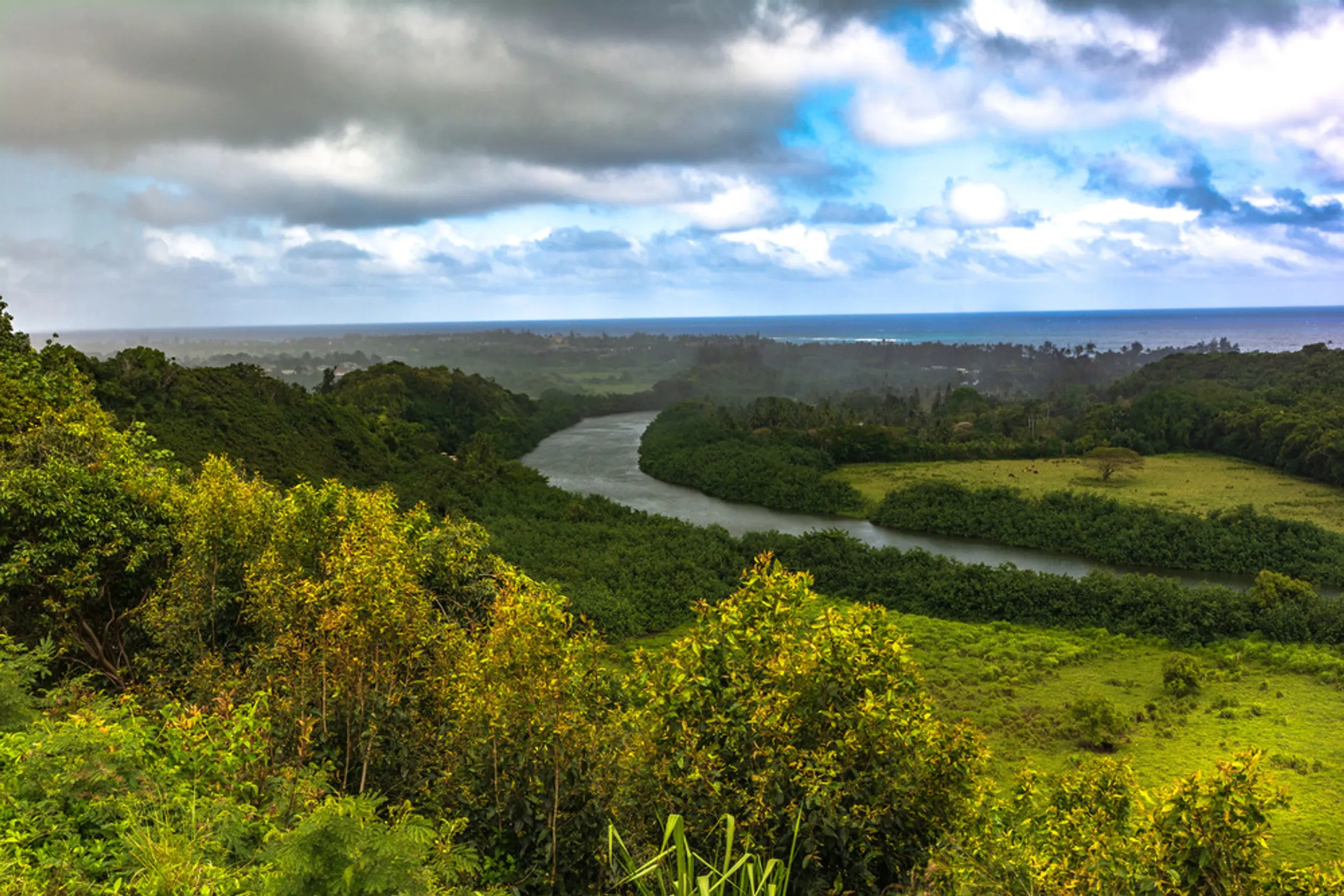
Mālama ʻĀina: Cultural Respect
Visiting Wailua River's sacred places with aloha, respect, and responsibility
Written by a Local Expert
Kalani MillerMālama ʻĀina: Visiting Wailua with Aloha and Respect
The most important thing to pack for your trip to Wailua isn't sunscreen or a camera. It's a sense of respect. We have a concept in Hawaiʻi called Mālama ʻĀina—to care for the land that feeds and sustains us. This isn't just a saying. It's our kuleana, our shared responsibility. When you visit this sacred valley, you become part of that kuleana. Here's how you can help.
Mālama ʻĀina means to care for the land that feeds and sustains us. This isn't just a saying—it's our kuleana, our shared responsibility. When you visit this sacred valley, you become part of that kuleana.
Respect the Sacred Sites (Heiau)
The heiau along the river are not just historical ruins. They are active places of worship and reverence for many Native Hawaiians. Please treat them as you would any church, temple, or cathedral.
🚫 Do Not Touch, Move, or Stack Rocks
The stones of these structures have been in place for centuries. Moving them, taking them, or building your own little rock stacks (ahu) is deeply disrespectful to our culture. It can damage these fragile archaeological sites.
✅ Leave No Trace (and Nothing Extra)
Please pack out everything you bring in. Do not leave offerings that are not traditional, such as coins, incense, crystals, or candles. These items can cause long-term damage to the ancient lava rock. A silent prayer or a moment of quiet respect is the most beautiful offering you can give.
Protect the Water (Wai)
The health of the river is the health of the valley.
☀️ Use Reef-Safe Sunscreen
The chemical sunscreens you wash off in the river eventually make their way to the ocean. Ingredients like oxybenzone and octinoxate are known to damage our fragile coral reefs. Please use only mineral-based sunscreens containing zinc oxide or titanium dioxide.
💧 Be Aware of Water Quality
The river is a living ecosystem affected by its surroundings. Runoff from agriculture and development can impact water quality. Organizations like the Surfrider Foundation's Blue Water Task Force actively monitor the Wailua River for bacteria like Enterococcus, which indicates pollution.
Your choice to use proper facilities and leave no waste helps protect the water for everyone.
Protect the Land (ʻĀina)
🥾 Stay on Designated Trails
When hiking to Secret Falls or around the viewpoints, please stay on the marked paths. Venturing off-trail causes soil erosion, tramples delicate native plants, and can unintentionally spread the seeds of invasive species.
⚠️ A Note on Leptospirosis
Like all freshwater streams in tropical environments worldwide, Hawaiian rivers can contain a bacteria called leptospirosis. While the risk is low, it's wise to avoid entering the water if you have any open cuts or sores.
Understanding the Cultural Significance
The Wailua River Valley represents more than natural beauty. It's a living classroom that teaches us about the sophisticated society that once thrived here. The alignment of the heiau, their proximity to the river, and their relationship to the land all speak to a deep understanding of both the physical and spiritual world.
The ahupuaʻa system that governed this land was revolutionary in its sustainability. It ensured that every community had access to all the resources they needed, from the mountains to the sea. The Wailua ahupuaʻa was particularly blessed, with its abundant freshwater, fertile soil, and strategic location making it the natural choice for the island's capital.
When you visit these sites, you're walking in the footsteps of the aliʻi who understood that true leadership meant caring for both the people and the land. The kapu system, while strict, was designed to protect resources and maintain balance. The puʻuhonua (places of refuge) showed that even in a society with harsh punishments, there was always room for mercy and second chances.
The oral traditions that surround these places are not just stories. They're historical records, passed down through generations with remarkable accuracy. When my tūtū told me about the rainbows that appeared at royal births, she was sharing knowledge that connected me to my ancestors and to this land.
The Living Culture of Today
While we honor the ancient history of Wailua, it's important to remember that Hawaiian culture is not something frozen in the past. It's alive and thriving today. Many of the families who live in the Wailua area are descendants of the people who have called this valley home for generations.
The stories I share with you are not just history lessons. They're part of a living tradition that continues to shape how we see ourselves and our relationship to the land. When local children learn to paddle on the Wailua River, they're not just learning a sport. They're connecting with their heritage and understanding their responsibility to care for this place.
The practice of mālama ʻāina is not just for special occasions or tourist sites. It's a daily way of life that influences everything from how we garden to how we fish to how we treat our neighbors. When you visit Wailua with this spirit, you become part of this tradition, even if you're only here for a day.
The Ripple Effects of Your Visit
When you visit Wailua responsibly, the positive effects extend far beyond your own experience. Your rental fees support local businesses and families. Your respectful behavior sets an example for other visitors. Your newfound knowledge and appreciation become stories you share when you return home.
Many visitors to Wailua find that the experience changes how they think about travel, nature, and cultural preservation. They become more conscious consumers, more respectful travelers, and more engaged citizens when they return to their own communities.
This is the true gift of Wailua—not just the memories and photos you take with you, but the awareness and responsibility you carry forward.
The mana that the ancient Hawaiians recognized here continues to flow through the water, the stones, and the hearts of all who visit with respect and understanding. By doing so, you help us protect this sacred place, ensuring its stories can continue to be told for generations to come.
Visitor's Commitment
🌺 Core Principles
- Mālama ʻĀina: Care for the land
- Kuleana: Responsibility
- Aloha: Love & respect
- Pono: Righteousness & balance
✓/✗ Quick Guide
✓ DO
- • Stay on trails
- • Use reef-safe sunscreen
- • Pack out all trash
- • Respect sacred sites
- • Offer silent respect
✗ DON'T
- • Move rocks or stones
- • Leave offerings
- • Venture off-trail
- • Use chemical sunscreen
- • Litter or pollute
💧 Protect the Water
Use only reef-safe sunscreen with:
- ✓ Zinc oxide
- ✓ Titanium dioxide
Avoid oxybenzone and octinoxate